Online pokies and PayID in Australia: what to know
 Available in AU

PayID can move funds quickly, but cashier confirmation, bank limits, withdrawal checks and wagering terms shape the full transaction.
Table of Contents
- PayID and real-money play: the transaction is not the wager
- What “best” can mean when PayID is only the payment rail
- The Australian infrastructure behind a PayID transfer
- A confirmed transfer moves quickly; a withdrawal has another clock
- A site’s cashier page is the place to confirm PayID
- Australian bank limits and the occasional blocked transfer
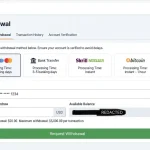
- Withdrawals: approval, pending periods and the wait for funds
- Free-credit offers and the small print of wagering
- PayID deposits: minimums, fees and what the cashier should show
- Facebook claims do not change how PayID works
PayID and real-money play: the transaction is not the wager
PayID is a way to move money, not a category of gambling service. In Australia, it lets a person send a payment using an identifier such as a mobile number or email address rather than entering bank details in the usual form. The transfer may be quick; the label attached to its destination does not change what the destination is permitted to offer.
That distinction matters whenever the phrase “real-money pokies” appears beside PayID. A payment method can be technically available without making the activity being paid for lawful. Nor does a successful transfer certify the recipient, the game or the terms of a gambling service. Payment infrastructure is indifferent to the moral and legal questions people hope a familiar bank-linked method might settle.
The law draws a separate line. Under the Interactive Gambling Act 2001, it is illegal for operators to provide real-money online casino games to people physically located in Australia. That includes online slots, poker and table games. The rule concerns the service offered to the customer in Australia, not the speed or format of the payment used to fund it.
A PayID transfer therefore cannot turn a prohibited online casino service into a permitted one. It does not confer approval, supply a local authorisation or make a gambling offer legitimate by association. A recognisable payment name can lend an unfamiliar transaction the reassuring appearance of ordinary banking. That appearance is not a legal test.
Bitcoin Pokies Australia: How Payments Work
There is a cultural reason the distinction can blur. Payments are encountered as small acts of routine: sending money to a contact, paying a bill, settling a shared expense. A phone number or email address feels more legible than a string of account details. When the same familiar mechanism is presented beside gambling, the familiarity can travel further than it should. It belongs to the transfer, not to every activity on the other side of it.
PayID’s simplicity is exactly why the boundary deserves attention. The system uses a unique identifier to direct a payment, but the identifier is not a verdict on the recipient. It says where money is being sent, not whether the recipient may lawfully provide a service in Australia. A bank transfer can be properly formed and still relate to an unlawful offer. The plumbing does not become the building inspector.
There is also a practical difference between a payment being sent and a person being able to take it back. Once a PayID transaction is confirmed, it is irreversible. That makes confirmation a consequential moment: after it, the transfer cannot simply be recalled through PayID because the sender has changed their mind. The speed that makes the system convenient also leaves little room for reconsideration.
This is not an argument that every PayID payment is risky or that the system itself is suspect. PayID is a general-purpose Australian payment method. The concern arises when its ordinary function is treated as evidence about a separate gambling service. Those are different questions, and answering one does not answer the other.
The distinction also prevents a familiar confusion around “instant” play. A payment may move quickly; that does not mean the overall arrangement is lawful, safe or dependable. “Instant” describes a transaction feature, not the standing of an online casino. A payment rail can carry money without endorsing the destination, just as a road does not certify every business beside it.
Legal Prohibition
Under the Interactive Gambling Act 2001, it is illegal for operators to provide real-money online casino games to people physically located in Australia.
For Australian residents, the relevant legal frame is not softened by the words “PayID pokies” or “online pokies with PayID.” The Interactive Gambling Act treats online casino-style games offered for real money to people in Australia as prohibited interactive gambling services. The law addresses operators providing those services. It does not make PayID a gambling product, and PayID does not alter the legal character of the offer.
The cleanest way to understand the phrase is to separate its parts. “PayID” describes a payment method. “Real-money play” describes what a gambling service asks a person to do. Combining the words may describe a proposed payment route, but it cannot settle whether the service is lawful or trustworthy. Those questions belong to the service itself, not to the payment label.
A confirmed transfer is final. The wager is another matter.
What “best” can mean when PayID is only the payment rail
Choosing an online pokies site that supports PayID means checking the available payment details alongside the operator information. This list provides a concise reference for the operators featured on this page.
1. SpinsUp
License: Curacao Gaming Control Board OGL/2023/174/0082 (Dama N.V.) SpinsUp is listed with a Curacao Gaming Control Board licence, OGL/2023/174/0082, held by Dama N.V.
2. Bizzo Casino
License: Curacao Gaming Control Board (TechSolutions Group N.V.) Bizzo Casino is listed with a Curacao Gaming Control Board licence held by TechSolutions Group N.V.
3. WinSpirit Casino
License: Curacao eGaming OGL/2024/923/0383 (Antillephone N.V.) · Min. deposit: A$30 WinSpirit Casino is listed with a Curacao eGaming licence, OGL/2024/923/0383, held by Antillephone N.V. Its minimum deposit is A$30.
4. DragonSlots Casino
License: Curacao Gaming Authority (Jumpman Gaming Ltd) DragonSlots Casino is listed with a Curacao Gaming Authority licence held by Jumpman Gaming Ltd.
5. Roby Casino
License: Curacao eGaming (Roby Games Ltd) Roby Casino is listed with a Curacao eGaming licence held by Roby Games Ltd.
6. LevelUp Casino
License: Curacao eGaming OGL/2023/174/0082 (Dama N.V.) · Min. deposit: A$15 LevelUp Casino is listed with a Curacao eGaming licence, OGL/2023/174/0082, held by Dama N.V. Its minimum deposit is A$15.
7. Lucky Dreams
License: Curacao · Min. deposit: A$20 (POLi) Lucky Dreams has a listed minimum deposit of A$20 when using POLi. A Curacao licence is also noted.
8. Ricky Casino
Payout speed: crypto under 1 hour, PayID 1-3 business days · Min. deposit: A$20 (A$30 to qualify for the bonus) Ricky Casino lists PayID payouts at 1–3 business days and crypto payouts in under 1 hour. The minimum deposit is A$20, or A$30 to qualify for the bonus.
9. GoldenCrown
License: Curacao Gaming Control Board OGL/2023/176/0095 (Hollycorn N.V.) GoldenCrown is listed with a Curacao Gaming Control Board licence, OGL/2023/176/0095, held by Hollycorn N.V.
10. House of Pokies
License: international iGaming licence – jurisdiction not named in the source · Payout speed: PayID 1-24 hours · Min. deposit: A$30 (PayID from A$10) House of Pokies lists PayID payouts at 1–24 hours and a minimum deposit of A$30, with PayID deposits from A$10. Its source describes its licence as an international iGaming licence but does not name the jurisdiction.
The word “best” becomes slippery when it is attached to PayID pokies. A payment method can describe how money moves; it cannot certify the business receiving it. A transfer made through PayID does not establish that an online casino is licensed, that its games are fair, that its rules are transparent or that it will pay a withdrawal. Those are separate claims, and the payment rail cannot settle them.
That distinction matters particularly in Australia. Under the Interactive Gambling Act 2001, operators may not provide real-money online casino games, including pokies, to people physically located in the country. An offshore licence does not turn that service into one permitted for Australian customers. A logo, a payment option or a polished account page can make an operation look settled. Appearance is not authority.
Licensing still needs public verification, but the question is not simply whether a site displays a licence badge. The issuing jurisdiction, the named operator and the scope of the authorisation need to be checked against the regulator’s own public records. Even then, an offshore authorisation is not a local licence to provide prohibited casino services in Australia. A licence claim and permission to serve a particular market are not interchangeable things.
PayID adds no missing assurance. It is a bank-linked way to transfer funds, not an audit of the recipient. The fact that a payment identifier works says something about the transfer instructions; it says nothing about the odds, the handling of a complaint or the treatment of a winnings request. The payment rail is indifferent to the story told around it.
Aristocrat Online Pokies in Australia: What to Know
Fairness is a separate question again. A site’s claims about games or outcomes cannot be proved by the availability of a deposit method. Transparency depends on rules and disclosures that can be examined, while the label “fair” is not evidence in itself. Nor does a successful deposit establish willingness to release winnings. A casino’s handling of a withdrawal involves its own review process, not just the speed of a bank transfer.
A specialist review describes casino-initiated PayID withdrawals as subject to internal checks, with timing affected by the casino’s review and the player’s identity-verification status. That is a useful reminder of where the payment rail ends: an operator can have a role in deciding when a withdrawal is approved, so fast transfers between banks do not by themselves promise a fast payout. The word “PayID” in a payment menu cannot answer questions about that operator’s conduct.
Names must also line up. The player’s PayID details need to match the PayID registered with their bank. Separately, the bank-account name and the casino profile name should match, since a mismatch can create problems when a withdrawal is assessed. These checks are practical rather than ceremonial: payment identifiers connect a transfer to an account, while profile details are part of the operator’s review.
Do
- Verify the operator’s license against public regulator records
- Check the issuing jurisdiction and scope of authorization
- Match bank account names with the casino profile name
Don’t
- Assume a PayID option certifies a site as licensed or fair
- Trust a license badge without independent verification
- Rely on payment convenience as a sign of operator reliability
That leaves “best” with a narrower, less glamorous meaning. It cannot responsibly mean “the casino that accepts PayID,” because acceptance proves only that the payment option is available. It cannot mean “the safest” or “most trustworthy” on that basis either. A meaningful assessment would have to examine the legal status of the service, the public evidence for any licence claim, the clarity of its terms and its conduct when money is to leave the account. In Australia, the legal boundary comes first: real-money online casino services are prohibited for operators to provide to people in the country.
A list of PayID pokies sites can therefore be tidy and still answer the wrong question. Payment convenience, legal permission and operator reliability are different categories. Folding them into one adjective makes the adjective do too much work.
The distinction is plain. PayID moves money; it does not confer legitimacy.
The Australian infrastructure behind a PayID transfer
PayID is an Australian payment system built on the New Payments Platform, or NPP. Its purpose is to make transfers between banks quick without requiring the sender to enter a recipient’s full bank account details. Instead, a registered identifier, such as a mobile number or email address, can point to the bank account associated with it.
That small change in what a person enters conceals a larger piece of infrastructure. The identifier is not the money and does not hold a balance. It serves as a way to direct a payment through the banking system. The funds still move from one bank account to another; PayID gives the transfer a recognisable address.
Dragon Link Online Pokies in Australia: What Search Shows
This distinction matters when online services advertise a payment option as though it were a feature of their own making. A casino does not create PayID, and it does not control the network connecting Australian banks. The payment method belongs to the country’s banking infrastructure. A business may offer it as a way to receive or send funds, but the transfer itself relies on the underlying system.
The NPP gives PayID its Australian setting. It supports quick transfers between banks, and PayID deposits at online casinos are typically completed within seconds. That speed can make a deposit feel like a direct interaction with the site: a payment is initiated, then the account balance changes. But the visible sequence compresses separate steps. The bank processes a transfer using the payment details supplied; the receiving service then has to recognise and credit it.
The identifier helps make the destination legible. A phone number or email address is easier to remember than a string of account details, but it is not a substitute for checking where a payment is going. Before a transfer is confirmed, the banking interface is the point at which the recipient information should be reviewed. Once confirmed, a PayID transfer cannot be reversed. Convenience is not a cooling-off period.
The system’s speed also says something about the expectations Australians have acquired around money. A bank transfer once suggested waiting, paperwork or a trip to a branch. A modern payment rail makes the movement less visible and less ceremonious. The money appears to cross the distance almost as soon as the decision is made. That is useful infrastructure; it is also a reminder that speed reduces the interval in which an error might be noticed.
Safe online pokies in Australia: legal and payment risks
A payment identifier is not a verdict on the organisation behind it. The NPP can carry a transfer between banks without certifying what a recipient sells, whether a service is lawful, or what happens after money arrives. Those are questions about the recipient and the activity, not the route through which a payment travels. A familiar bank-linked method can make a transaction seem ordinary. The underlying service remains a separate matter.
This separation is especially important in discussions of real-money pokies. The Australian payment network is domestic infrastructure; its existence does not mean every business accepting a transfer is authorised to provide every service to Australians. Under the Interactive Gambling Act 2001, operators may not provide real-money online casino games, including pokies, to people physically located in Australia. A payment rail cannot alter that rule.
The NPP is therefore best understood as plumbing, not endorsement. It connects banks so that payments can move quickly, while PayID supplies a simpler way to identify the destination. Neither component assesses the merits of the transaction. The same infrastructure serves many ordinary payments, and its usefulness does not depend on any one merchant or industry.
That is the quiet achievement of a payment system: it makes a complex route feel simple. A person enters an identifier, a bank handles the transfer, and another account receives it. The simplicity is real, but it belongs to the movement of money. It does not answer the separate questions of what the recipient may legally offer, what a service promises, or whether a person should trust it.
New Australian Online Pokies: Games and Risks
Fast, not a judgement.
A confirmed transfer moves quickly; a withdrawal has another clock
A PayID deposit and a PayID withdrawal may use the same payment rail, but they do not follow the same timetable. The deposit is a transfer into the operator’s account; the withdrawal begins as a request to the operator. Between those two events sits an internal process that PayID does not control.
For deposits, the movement is generally quick: PayID payments to online casino accounts are typically completed within seconds. Once a transfer is confirmed, the money has moved through the banking system to the destination specified for the payment. That speed can make the transaction feel like a single action, but it does not mean that every later step is equally immediate.
A withdrawal starts elsewhere. The operator first has to act on the request and release the funds from its own system. Only then can the payment travel back through the banking network. The distinction is easy to miss because both movements may be described as PayID transactions. One is a deposit arriving; the other is a payment that cannot begin until the operator sends it.
This is not a flaw in PayID. A payment system can move money quickly once a transfer is initiated, but it cannot make a separate organisation approve or dispatch a payment sooner. The operator’s internal status and the bank transfer’s status are different things, even if an account screen presents them close together.
A PayID deposit is a transfer into the operator’s account, whereas a withdrawal is a request that must first be approved by the operator’s internal system.
A specialist review reports that casino-initiated PayID withdrawals may remain pending for 24–72 hours before funds leave the casino’s system. That period is not a PayID processing time: it describes a wait on the operator’s side. The transfer itself can only take place after that hold ends and the casino sends the money. A pending label, therefore, does not mean that the bank is still moving a payment.
The contrast matters in discussions of online PayID pokies, where the apparent symmetry of “deposit” and “withdraw” can suggest two matching buttons with matching speeds. They are not. A deposit can be sent by the player and completed within seconds, while a withdrawal depends first on an action by the casino. The payment rail is shared; the decision to release the funds is not.
That difference also explains why a quick deposit says little about the speed of a later payout. It shows that the incoming transfer reached its destination promptly. It does not establish when the operator will process a withdrawal request, nor how quickly it will be sent after that. The two clocks begin at different moments.
The language of speed often compresses those stages into one promise. In practice, “fast PayID” can refer only to the transfer once it has been initiated. A casino’s pending status belongs to a different part of the journey. Small distinction. Large consequence.
Online pokies instant withdrawals in Australia
There is a further public-interest wrinkle in Australia: real-money online casino games, including pokies, are prohibited services when offered to people physically in the country under the Interactive Gambling Act 2001. Payment mechanics do not change that legal position. A functioning transfer method is not an endorsement of the service receiving the funds, and speed is not evidence of legitimacy.
So the useful distinction is not between a fast and a slow payment method. It is between money moving through a payment network and an operator deciding when to send it. PayID can make the first movement quick. It cannot erase the second clock.
A site’s cashier page is the place to confirm PayID
A page advertising PayID pokies is not the same thing as a payment option available in its cashier. Promotional wording can be broad; the cashier is where a site presents the methods it says are available for an account. If PayID is not shown there, a banner or search result is not confirmation that it can be used.
PayID is an Australian digital payment system. It uses an identifier such as a mobile number or email address to make a bank transaction. That description explains the payment rail, not whether a particular gambling service may lawfully offer real-money play to people in Australia.
The distinction matters because online casino games, including pokies, are prohibited interactive gambling services when provided to customers in Australia under the Interactive Gambling Act 2001. A cashier listing does not alter that legal position. Nor should a list of sites described as PayID pokies in Australia be read as an approved or lawful set of venues. The payment method and the service accepting it are separate things.
$1 Minimum Deposit Pokies in Australia: How It Works
For a factual check of a site’s claim, the cashier should name PayID explicitly among its available payment methods. A generic reference to bank transfer does not establish that PayID is supported: the system uses a registered identifier, rather than simply describing any transfer between accounts. The displayed method is the point to inspect, rather than an old article, an advertisement, or a social post repeating the claim.
That check has a narrow purpose. It can clarify whether PayID is presented as an option in that cashier; it cannot turn the listing into permission to use an online casino service in Australia. “Available” is not a legal category.
The distinction also catches a common bit of category confusion. PayID is not a brand of pokies, a casino partnership, or a special class of online slots. A phrase such as “PayID pokies” joins a payment method to a type of gambling game, but the words do not create a new product or change the rules applying to the service.
A cashier page can therefore answer one limited question: whether the site displays PayID as a payment option. It cannot make a prohibited real-money casino service lawful. A tidy menu is still only a menu.
Australian bank limits and the occasional blocked transfer
A PayID payment can be stopped on the bank’s side, before any question of a casino cashier’s processing arises. The daily transfer limit is set by the player’s bank, not by PayID as a shared national allowance. A payment that exceeds an account’s available limit may therefore fail even when the PayID identifier has been entered correctly. The relevant setting belongs to the bank account and its payment controls.
$5 Minimum Deposit Pokies in Australia: What It Means
There is a separate possibility: a bank may decline a transfer because it identifies the recipient as a gambling merchant. A specialist review reports that some Australian banks, including members of the Big Four, have at times blocked PayID payments to known gambling merchants under acceptable-use policies. That is a report of a practice, not a claim that every bank applies a blanket restriction or that its approach remains unchanged. Bank policies and controls can vary.
The distinction matters because a failed payment does not, by itself, identify the cause. A limit may have been reached; the bank may have withheld the transfer under its own policy; or a different detail may need checking. PayID is the route by which a bank transfer is addressed, not an authority that can override the sending bank’s decision. A recipient’s payment instructions cannot make a bank release a transaction it has declined.
For anyone examining a disputed or refused transfer, the bank is the place to establish whether its daily limit or acceptable-use policy was involved. The operator’s cashier may show the payment method it supports, but it cannot set the sending account’s limit or determine how the bank classifies a recipient. Nor should a decline be treated as proof that the PayID system itself is unavailable.
This is a quieter part of payment design: the identifier makes a transfer addressable, while the bank retains control over whether it leaves the account. Convenience, where it exists, has a gatekeeper.
Attention: Some Australian banks may block PayID payments to known gambling merchants under their acceptable-use policies.
Withdrawals: approval, pending periods and the wait for funds
A withdrawal has two separate stages: the casino’s decision to release it, then the payment transfer itself. PayID’s speed applies to the second stage, not to the time a request spends waiting in the casino’s system. A status marked “pending” therefore does not mean that a bank transfer is underway.
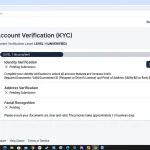
The casino reviews a withdrawal internally, and the time taken can depend on that review and on the player’s KYC status. If identity or account details still need checking, approval may wait. The account name at the bank should match the name on the casino profile; a mismatch can complicate a withdrawal. Paperwork, in other words, keeps its own clock.
A specialist review gives a qualified indication of the possible wait: it reports that, once approved, a PayID withdrawal may take 12–24 hours to reach an account, while the casino’s internal pending period can bring the total from request to receipt to 2–4 days. These are reported timings, not a standard that every operator follows. The same review says an approved transfer may arrive within the same day. That is a description of the payment leg, not a promise about how quickly a casino will approve a request.
The distinction matters when comparing a fast payment rail with an operator’s payout process. A transfer can move quickly after release and still leave a long interval between clicking “withdraw” and seeing funds in a bank account. The casino controls the review and approval; PayID cannot make that part automatic.
For PayID withdrawal pokies, the useful record is the sequence of statuses and timestamps: when the request was submitted, when it was approved, and when the funds arrived. That separates an internal delay from a delay after release. If a request remains pending, the relevant question is whether the casino is still reviewing it or has sent the payment. The two stages may look like one wait from the outside. They are not.
A quick deposit and a slow withdrawal are not contradictory. Deposits can be completed within seconds, while withdrawals must pass through the casino’s checks before the bank transfer begins. The payment method may be the same; the process is not.
Free-credit offers and the small print of wagering
“Free credit” can sound like money already earned. In a gambling offer, it is better understood as a conditional balance: a label does not establish that the amount can be withdrawn, or that it carries no cost in time, play or restrictions. The operative detail is the wagering requirement.
A specialist review reports requirements of 30x–45x the bonus amount for offers of this kind. That multiplier describes how much qualifying wagering must be completed before the bonus, or winnings associated with it, may become withdrawable. The precise calculation matters: terms need to say what amount the multiplier applies to and which activity counts. A headline that foregrounds “free” while leaving those mechanics in the small print is doing the usual work of a headline.
Common Wagering Requirements
A specialist review reports wagering requirements of 30x–45x the bonus amount for free-credit offers, meaning this multiplier of qualifying wagering must be completed before funds become withdrawable.
The conditions can also define eligible games, maximum stakes, expiry and withdrawal rules. Those details determine whether a credit has practical value; the word “free” does not. In particular, terms may state that exceeding a maximum bet during bonus wagering voids the bonus and associated winnings. That is not a minor footnote if the balance depends on compliance.
PayID does not alter any of this. It is a payment method, not a bonus rule, and its presence says nothing about whether a promotion is fair or payable. Nor does a social-media claim of free credit make an offer genuine.
There is a wider Australian context: under the Interactive Gambling Act 2001, providing real-money online casino games, including pokies, to people in Australia is illegal for operators. Promotional language does not change that boundary. A bonus remains an inducement attached to a gambling service, not a separate gift floating free of the rules around the service.
The arithmetic is the offer.
PayID deposits: minimums, fees and what the cashier should show
A listed deposit minimum is an operator’s condition, not a rule built into PayID. Across operator payment terms, starting deposits are commonly set between AU$10 and AU$20. That range describes the amount a cashier may require before accepting a deposit; it does not establish a standard for every site. A lower threshold may be advertised elsewhere, but it should not be treated as a general market rate.
$20 Minimum Deposit Pokies in Australia: What It Means
The cashier’s payment screen is where the practical cost should be made visible: the minimum amount, the currency, and any charge the operator applies. PayID itself does not levy a transfer fee. Reputable venues also do not add a charge for PayID deposits or withdrawals, though that does not mean every operator’s terms are identical. A fee shown by an operator is separate from a PayID fee.
That distinction matters because a familiar payment name can make the whole transaction look uniform. It is not. PayID supplies the transfer mechanism; the operator sets its own deposit conditions. A displayed minimum therefore says nothing about the fairness of a game or whether winnings will be paid.
In Australia, the Interactive Gambling Act 2001 prohibits operators from providing real-money online casino games, including pokies, to people physically in the country. The figures and payment conditions discussed in offshore casino material do not turn such a service into a lawful Australian offering. A cashier is a price display, not a seal of approval.
Facebook claims do not change how PayID works
A Facebook post can attach the word “PayID” to a claim about pokies, but the label does not change the payment system behind it. PayID is an Australian digital payment method: it lets a person send money using a registered identifier, such as a mobile phone number or email address, rather than relying on conventional account details. The transfer remains a bank-linked payment, not a Facebook feature.
That distinction matters when a post presents a payment method as though it were proof of an offer, a special access route or an endorsement. A social-media caption, image or comment cannot establish what lies behind a link, who controls an account, or whether a promised service will behave as described. The familiar identifier is not evidence of the unfamiliar claim.
The same applies to phrases such as “Facebook PayID pokies”. They combine a platform, a payment method and a gambling service, but the words do not make those things one product. PayID’s role is limited to moving money through its payment system. It does not authenticate a Facebook page or make a claim posted there reliable.
There is no special Facebook version of PayID. A phone number or email address is still the kind of identifier used for a PayID transaction; the social platform does not alter that mechanism. Online presentation can be persuasive. It is not verification.
A payment label is not a promise kept.
Are there any casino sites in Australia that offer withdrawals via PayID?
Some venues support PayID withdrawals. After casino approval, funds usually arrive the same day, though internal reviews and pending periods can extend the total time.
What is the key benefit of using PayID pokies?
PayID can move deposits quickly, typically within seconds, using a mobile number or email address instead of bank details. The payment method does not establish that an online casino is lawful or trustworthy.
How long do PayID deposits take to appear in your casino account?
PayID deposits typically appear within seconds.
What are the limits?
Your bank sets your daily PayID transfer limit. Casino minimum deposits are typically A$10–A$20, while minimum withdrawals are commonly A$20–A$50.
AUD Banking and Payment Options at Roby Casino Australia

AUD Deposit Options at Roby Casino Australia
Roby supports several deposit categories that are relevant to Australian players: Visa, Mastercard, Skrill, Neteller,...

AUD Withdrawal Limits and Times at Roby Casino Australia
Roby supports several payment categories that can be relevant to withdrawals, including cards, e-wallets, bank...

$1 Minimum Deposit Casinos in Australia: What to Know
A casino’s stated minimum may differ from a payment method’s floor or the amount needed...

$1 Minimum Deposit Pokies in Australia: How It Works
A casino’s stated minimum is only one part of the transaction; the payment route may...

$10 Minimum Deposit Casinos in Australia: How It Works
The amount accepted depends on both the casino cashier and payment route, while costs and...

$10 Minimum Deposit Pokies in Australia: What It Means
A site's stated minimum may differ from what its card processor, wallet or other payment...

$2 Minimum Deposit Casinos in Australia: What to Know
A low operator threshold may not survive the payment chain, where processors can set a...

$20 Minimum Deposit Casinos in Australia
Australian casino deposit minimums can depend on the operator’s terms or on the payment method...

$20 Minimum Deposit Pokies in Australia: What It Means
A displayed minimum may come from a payment provider rather than the operator, and the...

$5 Minimum Deposit Casinos in Australia: Payment Rules
The amount accepted by an operator can differ from the minimum transaction required by the...

$5 Minimum Deposit Pokies in Australia: What It Means
The operator’s stated floor can differ from the minimum accepted by a payment method, while...

Anonymous crypto casinos in Australia: risks and tax
Bitcoin can ease casino payments, but anonymity, withdrawals, tax treatment and Australian access all have...

Aristocrat Online Pokies in Australia: What to Know
The search phrase does not verify a game's maker or availability, and Australian rules set...

Aussie Crypto Casinos: Rules, Risks and Payments
Australia’s rules distinguish domestic wagering from online casino services, leaving offshore crypto platforms outside the...

New Australian Online Pokies: Games and Risks
A closer look at how release labels, free-play modes, account access and bonus terms shape...

Online casino payment methods for Australians
See how PayID, transfers, vouchers and mobile wallets differ across deposits, withdrawals, processing delays and...

Best-Paying Online Pokies in Australia: Bitcoin Guide
A practical look at Bitcoin payments, payout claims, bonus conditions and the limits of Australian...

Bitcoin Pokies Australia: How Payments Work
Bitcoin changes how an account is funded, not the pokies themselves; free-play credits and real-money...

Casino Sites That Accept Amex in Australia
Acceptance can differ between operators, while deposit conditions, withdrawal eligibility and payment costs depend on...

Casino Sites That Accept BPAY in Australia: What’s Known
BPAY availability and withdrawal terms need confirmation; Australian-facing language does not make offshore casino games...

Casino Sites That Accept Credit Cards in Australia
Australia’s rules apply before the cashier, while card acceptance, issuer checks and withdrawal support vary...

EcoPayz Casinos in Australia: What Is Verified
The evidence distinguishes payment acceptance from legality and explains why no verified EcoPayz deposit or...

Casino Sites That Accept Osko in Australia: What’s Known
Australian payment habits may make Osko familiar, but they do not confirm that a casino...

Casino Sites That Accept Paysafecard in Australia
Paysafecard availability does not establish that an offshore casino offer is lawful or that a...

Casino Sites That Accept Skrill in Australia Explained
Skrill availability can describe a cashier option, but it does not establish that an online...

Trustly Casino Sites in Australia: What Is Known
The Interactive Gambling Act 2001 prohibits operators from providing real-money online casino games to people...

Under an Hour Casino Withdrawals in Australia Explained
Withdrawal estimates depend on when the operator’s review ends and when the payment channel begins...

No-ID Verification for Casino Withdrawals in Australia
Identity checks remain part of withdrawal processing, while payment methods and bonus conditions can affect...

Casinos That Accept Apple Pay in Australia: Evidence
Mobile-wallet availability in everyday Australian payments does not establish that an online casino supports Apple...

Casinos That Accept Bitcoin in Australia: Payments
Bitcoin changes how funds move, while operator procedures still govern accounts, disputes and the terms...

Bitcoin Cash Casinos in Australia: Legal and Payment Guide
Australian law bars operators from offering online casino games locally; this guide also covers offshore...

CashToCode Casinos in Australia: Acceptance Checks
A payment option listed online does not establish that a casino accepts CashToCode for Australian...

Casinos That Accept Ethereum in Australia
Ethereum is a possible transaction method, but its availability does not establish which games a...

Casinos That Accept Google Pay in Australia: What to Know
Australian law prohibits operators from offering real-money online casino games to people in Australia, and...

Casinos That Accept Litecoin in Australia: What’s Verifiable
The page distinguishes cryptocurrency payment language from evidence of Australian availability, cashier support, or specific...

Casinos That Accept Mastercard in Australia: Legal Limits
A card option at the cashier does not establish legality, and the route used for...

Casinos That Accept MiFinity in Australia: What to Know
Familiar Australian payment options do not show whether an individual casino supports MiFinity or how...

Casinos That Accept Neosurf in Australia: What’s Verified
Neosurf payment claims, casino services and Australian gambling rules are distinct issues that require separate...

Casinos That Accept Neteller in Australia: What to Check
Neteller availability does not establish that an offshore casino may serve Australians or that deposits,...

Casinos That Accept PayID in Australia: Legal Context
Payment availability can explain a cashier’s options, but it cannot establish whether an offshore casino...

Casinos that accept PayPal in Australia: key facts
The article separates everyday payment familiarity from casino cashier availability and examines the limits of...

Casinos That Accept POLi in Australia: What to Know
A POLi label alone does not establish that an online casino can lawfully serve Australians...

Casinos That Accept Tether USDT in Australia
USDT payment claims do not establish which casinos accept it or verify their networks, games,...

Casinos That Accept Visa in Australia: Key Details
Visa availability varies by operator and card, while deposits, withdrawals and legal context remain separate...

Dragon Link Online Pokies in Australia: What Search Shows
The name alone does not establish a particular machine, an online version or availability to...

Easy Withdrawal Casinos in Australia: How Payouts Work
Withdrawal timing depends on operator review and fund release as well as the payment method’s...

Fast Casino Withdrawals in Australia: Payment Routes
Payment networks, casino approval, verification and terms all affect timing, while Australian law limits the...

Instant Bank Transfer Casinos in Australia: How They Work
Banking labels can cover different payment flows, and a deposit method may not be available...

Instant PayID Withdrawals for Real Money in Australia
PayID can move released funds through Australia's NPP, but it cannot determine when an operator...

Instant PayID Withdrawals in Australia: What to Know
PayID can move funds quickly after release, but casino checks, account verification and withdrawal terms...

Low deposit online casinos in Australia: payment limits
A low operator minimum does not guarantee a payment will go through, since the chosen...

New PayID Pokies in Australia: Payments and Checks
PayID can route quick bank transfers, but cashier details, bank limits, delays and bonus terms...

No-KYC Casino Australia: Crypto Payments Explained
A practical look at crypto and PayID payments, identity checks, and the conditions that can...

No Minimum Deposit Casinos in Australia: Payment Limits
The operator’s deposit rule is only one part of the chain; payment providers and purchase...

Online pokies instant withdrawals in Australia
A withdrawal request, operator approval and payment release are separate stages, so transfer speed alone...

Pay by Phone Casinos Australia: PayID and Bills
PayID can use a mobile number to identify a bank account, but the funds come...

Quick Casino Withdrawals in Australia: How Payouts Work
Payout timing depends on more than the payment method, while Australia's legal position on online...

Real cash online pokies in Australia: law and Bitcoin
A guide to Australia's restrictions on online pokies and the practical trade-offs of using Bitcoin...

Safe online pokies in Australia: legal and payment risks
The guide examines Australian legal limits, offshore operators, Bitcoin payment points, verification and bonus terms...

Same-Day Payout Casinos in Australia: How It Works
A withdrawal estimate can cover operator checks, the payment route, or both, so the stages...

Solana Casino Comparison for Australia
The guide separates Australian law on offshore operators from token transfers, bonus terms, cash-outs and...