Casinos That Accept Google Pay in Australia: What to Know
 Available in AU

Australian law prohibits operators from offering real-money online casino games to people in Australia, and a wallet option does not change that.
Table of Contents
- Online Casino Payments in the Australian Legal Landscape
- Deposits and the Limits of What Is Known About Google Pay
- Why a Casino Payment Method Is Not a Casino Recommendation
- Identity Checks Before Financial Transactions
- What “Accepts Google Pay” Can—and Cannot—Mean
- Payment Access Is Not Game Availability
- Payment Claims and the Boundaries of Gambling Advertising
- Withdrawals: Do Not Assume the Deposit Route Works Both Ways
- Australia’s Everyday Shift Between Cards and Wallets
- Google Pay in a Market of Mixed Payment Habits
Online Casino Payments in the Australian Legal Landscape
A payment option can look like a small matter of convenience: a card, a bank-linked service, a mobile wallet. In Australia, though, the question of paying an online casino sits inside a legal framework that begins somewhere else. The central issue is not which button appears in a cashier. It is whether the service may lawfully offer real-money online casino gambling to people in Australia at all.
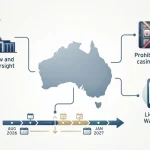
The Interactive Gambling Act 2001 prohibits operators from providing online casino games for money to people physically located in Australia. Casino-style services covered by that rule include poker and table games as well as pokies. The restriction is directed at the operator’s conduct: an offshore business does not become entitled to serve Australian customers simply because it is based elsewhere or presents a payment method familiar to Australians.
That distinction matters when a search for an Australian online casino that accepts Google Pay is treated as though it were an ordinary comparison of consumer services. In a lawful retail setting, acceptance of a mobile wallet would answer a practical question about how to pay. In the online casino context, it cannot settle the prior question of whether the underlying service is permitted to operate for people in Australia. Payment compatibility is not a legal status.
Casinos That Accept Neteller in Australia: What to Check
The Act is enforced by the Australian Communications and Media Authority, or ACMA. Its role gives the rules a practical dimension: the prohibition is not merely a statement about what operators ought to do. ACMA is responsible for enforcing the law, including in relation to prohibited interactive gambling services. Australian restrictions also include active efforts to block and enforce against offshore casino services. A website’s appearance, accessibility at a given moment or ability to display an Australian-facing payment option should not be mistaken for official approval.
The law’s focus on operators is also important for understanding the position of individuals. The Interactive Gambling Act does not explicitly criminalise a player for using an offshore gambling site. That is not the same as saying that offshore play is protected, endorsed or free of risk. The absence of a specific criminal offence for the player does not turn an unlawful operator into a lawful Australian casino, nor does it supply the protections that accompany a locally authorised consumer service.
AUD Banking and Payment Options at Roby Casino Australia · Casinos That Accept MiFinity in Australia: What to Know
There is a separate consequence for consumers: Australian consumer law does not protect players who use offshore casinos. If a dispute arises, the protections available in an ordinary domestic transaction may not travel with the account to an overseas operator. The gap is structural. The law places the prohibition on the business providing the service, while a person who uses an offshore site may still be outside the practical reach of familiar Australian consumer safeguards. Not a reassuring arrangement.
This is why payment language can carry more weight than it seems to. A phrase such as “Google Pay accepted” may sound like a neutral description of a checkout feature, but in the setting of an online casino it can also make the service seem ordinary and locally available. A familiar wallet does not indicate that ACMA has approved an operator, that Australian law permits the service, or that consumer protections apply. Nor does a payment method alter the classification of the gambling product being sold.
The same legal frame applies whether a site is described as an online casino, an online pokies venue or a mobile casino. The name and the screen design do not change the substance of a real-money service. Where online casino games are provided to people physically located in Australia, the prohibition concerns the service itself, not the vocabulary used to present it. A mobile-friendly page does not create a separate legal category.
The distinction can be easy to miss because payment systems are part of everyday life. People encounter mobile wallets in shops and other routine transactions, then see similar language attached to an online gambling service. Familiarity can make the setting seem familiar too. But a recognisable payment brand is not evidence that a casino has permission to serve Australian customers. Technology can make a transaction feel seamless while leaving the legal question untouched.
Legal Warning
Under the Interactive Gambling Act 2001, providing real-money online casino services to people in Australia is prohibited, and players using offshore sites are not protected by Australian consumer law.
The Australian framework therefore sets the order of questions. First comes the legal status of the gambling service and the operator’s ability to offer it in Australia. Only after that would payment compatibility have meaning as a practical detail—and it cannot supply the missing permission. The Interactive Gambling Act 2001 establishes the prohibition; ACMA is responsible for enforcement; and people who use offshore casinos do not receive Australian consumer-law protection. Those are the conditions surrounding any discussion of mobile-wallet payments in this market.
Deposits and the Limits of What Is Known About Google Pay
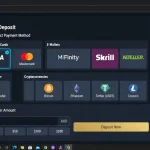
In Australia, Google Pay belongs to the ordinary payment landscape. Mobile wallets, including Google Pay and Apple Pay, are accepted almost everywhere. That broad familiarity can make a casino deposit by Google Pay sound like a simple extension of an everyday habit. It is not evidence that an online casino can take the payment.
Acceptance depends on the particular merchant and transaction, not merely on whether a wallet is common in shops. A mobile wallet may be widely usable for everyday purchases while a particular online service does not offer it. The distinction matters especially for casino deposits: a wallet’s presence in Australian payment culture cannot establish that any casino cashier lists Google Pay, or that a deposit submitted through it would be accepted.
The word “cashier” can make the process sound uniform, as if every operator presented the same menu and handled each method in the same way. It does not. Payment options are specific to the service and may depend on its arrangements and the customer’s circumstances. General statements about how Australians pay cannot settle those details. Familiarity is not compatibility.
Casinos That Accept Litecoin in Australia: What’s Verifiable
So the phrase “Google Pay casino deposit” describes a desired pairing, not a verified facility. It may appear in a discussion of payment methods without demonstrating that a real-money casino serving Australian residents accepts Google Pay. Nor does the wallet’s popularity supply the missing detail. A claim about a specific cashier would need to be grounded in current, operator-specific information; a general description of Australian payments is not enough.
This is a small distinction with practical weight. A deposit is not an abstract test of whether a technology exists. It involves sending money to a particular recipient under that recipient’s rules. If the payment method is not actually available for that transaction, the fact that the same wallet works in ordinary retail settings changes nothing. The familiar tap at a local counter and a payment to an online gambling service are not interchangeable situations.
A request framed around a $10 Google Pay deposit does not alter that point. The amount in the phrase does not show that the cashier supports the wallet, or that a deposit of that size can be made. No amount can turn a general fact about Australian wallet acceptance into proof of a casino-specific payment route. The question of the method’s availability comes first; the search for a particular deposit size cannot answer it.
There is also a legal setting that cannot be separated from the subject. Under the Interactive Gambling Act 2001, operators are prohibited from providing real-money online casino games to people in Australia, and the Australian Communications and Media Authority enforces the law. Australian consumer law does not protect players who use offshore casinos. Those conditions make payment claims more than a matter of convenience: the presence of a familiar wallet should not be mistaken for local authorisation or consumer protection.
Attention: The widespread use of Google Pay in Australian retail does not guarantee that any specific online casino accepts it or that such a transaction is lawful.
A cashier displaying a payment logo, if encountered, would establish only what that particular screen appears to offer at that moment. It would not establish that the service is lawful in Australia, that the payment will proceed, or that the transaction carries protections associated with ordinary domestic purchases. These are separate questions, even when a single button seems to collapse them into one.
The careful distinction is therefore between two propositions. Google Pay is accepted almost everywhere in Australia as a mobile wallet; that is a broad statement about everyday payment use. A casino accepts Google Pay for deposits; that is a claim about a particular operator and transaction. The first does not prove the second. Neither can be inferred simply from the other.
This boundary avoids a common category error: treating a technology’s reach as a guarantee of a merchant’s participation. Payment familiarity can explain why the method seems plausible, but plausibility is not confirmation. For casino deposits, only explicit, current information about the specific service could substantiate acceptance—and even that would not change the legal status of online casino provision in Australia.
The wallet may be familiar. The transaction is another matter.
Casino Sites That Accept Osko in Australia: What’s Known
Why a Casino Payment Method Is Not a Casino Recommendation
A payment method answers a narrow question: whether a particular way of paying is said to work in a particular setting. It does not answer the larger question contained in a request for the best casino site. Those are different judgements, and treating them as interchangeable gives a small technical detail far too much weight.
The distinction matters especially when Google Pay appears in a casino-related claim. Familiarity with a wallet is not evidence that a particular gambling service accepts it. Nor does a mention of Google Pay establish that a service is suitable, reliable or lawful for people in Australia. A payment label, even when accurate, is not a certificate of quality. It is a certificate of one thing only—if it has been properly verified.
“Best” requires criteria. A comparison might consider the clarity of terms, the handling of personal information, the availability of customer support and the way complaints are dealt with. But a payment-method comparison does not establish those qualities. It cannot turn a wallet’s presence into evidence about the conduct of the business behind it. One visible feature is not a character reference.
Casinos That Accept PayID in Australia: Legal Context
That limitation is easy to overlook because payment choices have become ordinary parts of Australian life. Consumers are comfortable moving among cards, mobile wallets and bank-linked services such as PayPal. In that everyday setting, switching methods is a practical habit, not a moral verdict on the merchant. Casino-related claims borrow the same reassuring vocabulary, but the familiar interface does not settle the more serious questions surrounding the service.
There is also a legal boundary that a payment comparison cannot erase. The Interactive Gambling Act 2001 prohibits operators from providing real-money online casino games to people in Australia. Australian consumer law does not protect players who use offshore casinos. A payment method cannot make a prohibited service permissible, and a comparison of payment compatibility should not be mistaken for an invitation or endorsement.
This is why a list of casino sites said to accept Google Pay would be a poor substitute for an actual recommendation. It would establish neither that the claim is current nor that the listed services meet any wider standard. Even a carefully arranged list can look like approval simply because it gives names a place on the page. Here, names would add little to the central distinction and risk implying more than payment compatibility can support.
The same reasoning applies to claims about the “best” Google Pay casino, whether framed around a website, a deposit or games. A wallet does not rank a service. It does not show that a particular game is available, and it says nothing about how the service treats customers more broadly. Those are separate matters, not hidden benefits bundled into the payment option.
A neutral comparison can describe the scope of a claim and keep its limits visible. It can distinguish a statement about payment from a judgement about an operator. It cannot responsibly convert the first into the second without evidence on the questions that recommendation would require. Nor should commercial language use a payment feature to make an offshore casino service appear like an ordinary retail choice.
That is a modest conclusion, but a useful one. Convenience is not endorsement.
Casinos That Accept POLi in Australia: What to Know
Identity Checks Before Financial Transactions
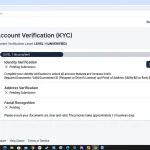
A payment method can appear to be the visible part of an online transaction: a wallet is selected, an amount entered, and a payment submitted. Behind that apparent simplicity sits a separate condition. Online casinos commonly require customers to undergo a Know Your Customer assessment before they can carry out financial transactions. The check concerns identity and account status, not whether Google Pay is available.
That distinction matters whenever a payment is described as instant. A quick payment authorisation would not remove an assessment that must happen first. Nor does the word “instant” establish how long an operator’s identity review takes, or when an account will be cleared for transactions. Those are separate stages, governed by the operator’s procedures. A wallet cannot answer questions that belong to an identity check.
Know Your Customer, often shortened to KYC, is the process by which a service assesses who is using an account. In an online casino setting, it is a threshold before financial activity, rather than an optional feature of a particular payment route. Whether a person’s preferred method is a card, a mobile wallet or another service does not, by itself, settle that threshold. The payment rail and the identity assessment do different work.
Casinos That Accept Mastercard in Australia: Legal Limits
This also places a limit on what claims about an “instant withdrawal” can mean. Even if a payment provider can process a transaction promptly, that says nothing about whether an account has completed the casino’s checks. A claim about the speed of a method is not a claim about verification, and one cannot be substituted for the other. The distinction is less glamorous than a promise of speed. It is also more useful.
The sequence matters because a financial transaction is not just a movement of money between two systems. An operator may first need to assess the customer’s identity; only then does the payment question arise. The KYC requirement therefore helps explain why a payment label alone cannot establish the timing of access to funds. It does not disclose the review’s duration, the documents an operator may request, or the point at which a particular account will be approved. Those details cannot be inferred from the existence of the assessment.
KYC
Know Your Customer is a mandatory identity assessment process that online casinos use to verify a customer’s status before allowing financial transactions.
In Australia, this procedural explanation should not be mistaken for an endorsement of offshore casino services. The Interactive Gambling Act 2001 prohibits operators from providing real-money online casino games to people in Australia, and the Australian Communications and Media Authority enforces the law. Australian consumer law does not protect players who use offshore casinos. A verification process is an operator’s account procedure; it does not make an offshore service lawful or provide local consumer protection.
The broader habit of checking identity is familiar in financial life, where access to an account and permission to move money are not always the same thing. Online casinos apply that distinction before financial transactions, but their checks do not validate a payment claim or settle its speed. In particular, the presence of Google Pay in everyday Australian commerce cannot establish that a casino accepts it, nor can KYC establish that a Google Pay withdrawal is available. Identity first; payment questions remain separate.
What “Accepts Google Pay” Can—and Cannot—Mean
Choosing a casino that accepts Google Pay in Australia means checking more than the payment method: the available details on licensing, deposit minimums and payouts can also help you assess your options. Use this list as a starting point and confirm Google Pay availability directly with each casino.
1. SpinsUp
License: Curacao Gaming Control Board OGL/2023/174/0082 (Dama N.V.) SpinsUp lists a Curaçao Gaming Control Board licence held by Dama N.V. The available details do not specify its Google Pay options.
2. Bizzo Casino
License: Curacao Gaming Control Board (TechSolutions Group N.V.) Bizzo Casino lists a Curaçao Gaming Control Board licence held by TechSolutions Group N.V. The available details do not specify its Google Pay options.
3. WinSpirit Casino
License: Curacao eGaming OGL/2024/923/0383 (Antillephone N.V.) · Min. deposit: A$30 WinSpirit Casino lists a Curaçao eGaming licence held by Antillephone N.V., and its minimum deposit is A$30. Google Pay availability is not specified in the available details.
4. DragonSlots Casino
License: Curacao Gaming Authority (Jumpman Gaming Ltd) DragonSlots Casino lists a Curaçao Gaming Authority licence held by Jumpman Gaming Ltd. The available details do not specify its Google Pay options.
5. Roby Casino
License: Curacao eGaming (Roby Games Ltd) Roby Casino lists a Curaçao eGaming licence held by Roby Games Ltd. The available details do not specify its Google Pay options.
6. LevelUp Casino
License: Curacao eGaming OGL/2023/174/0082 (Dama N.V.) · Min. deposit: A$15 LevelUp Casino lists a Curaçao eGaming licence held by Dama N.V., and its minimum deposit is A$15. Google Pay availability is not specified in the available details.
7. Lucky Dreams
License: Curacao · Min. deposit: A$20 (POLi) Lucky Dreams has a listed Curaçao licence and a minimum deposit of A$20 via POLi. The available details do not specify its Google Pay options.
8. Ricky Casino
Payout speed: crypto under 1 hour, PayID 1-3 business days · Min. deposit: A$20 (A$30 to qualify for the bonus) Ricky Casino lists crypto payouts in under an hour and PayID payouts in 1–3 business days. Its minimum deposit is A$20, or A$30 to qualify for the bonus; Google Pay availability is not specified.
9. GoldenCrown
License: Curacao Gaming Control Board OGL/2023/176/0095 (Hollycorn N.V.) GoldenCrown lists a Curaçao Gaming Control Board licence held by Hollycorn N.V. The available details do not specify its Google Pay options.
10. House of Pokies
License: international iGaming licence – jurisdiction not named in the source · Payout speed: PayID 1-24 hours · Min. deposit: A$30 (PayID from A$10) House of Pokies lists an international iGaming licence, though the jurisdiction is not named in the source. PayID payouts take 1–24 hours; the minimum deposit is A$30, or A$10 when using PayID.
“Accepts Google Pay” sounds like a simple statement about a button at checkout. In practice, the wording can blur two very different things: the place of mobile wallets in everyday Australian commerce and the payment options of a particular online service. A wallet’s broad familiarity in the country does not settle what any individual operator makes available.
Across Australia, Google Pay and Apple Pay are commonplace ways to pay. That everyday presence gives the phrase an intuitive ring: if a wallet works in shops and other services, it may seem natural to expect it wherever online payments are offered. But a payment method is not universal merely because it is familiar. Acceptance depends on the individual merchant and the transaction being made.
That distinction matters when a page describes a casino as one that takes Google Pay. The wording might refer to a payment option shown in an operator’s own cashier, or it might simply borrow the general reputation of mobile wallets. Without a casino-specific basis for the claim, those meanings cannot be treated as interchangeable. A name beside a familiar wallet logo is not, by itself, evidence of a usable payment route.
Nor does the phrase tell the whole story of what “acceptance” entails. It may leave unstated whether the wallet is available to Australian customers, whether it applies to a particular transaction, or whether the displayed option is current. Those details belong to the operator’s own terms and payment information, not to assumptions drawn from the wallet’s popularity. An unqualified label can sound more definite than the underlying information warrants.
The same caution applies to variations such as “pay with Google Pay” or “Google Pay casino”. These phrases describe an intended association, not necessarily a confirmed facility. A casino may use digital payment services in some context without the evidence establishing Google Pay specifically. Conversely, a wallet being familiar in Australia cannot establish that a casino has enabled it. The gap is small in wording and decisive in meaning.
Casinos That Accept Visa in Australia: Key Details
This is not a technical quibble. Payment language shapes expectations. A reader encountering “Google Pay accepted” may understand it as a practical assurance that the method is available for a particular account and transaction. A more careful statement would distinguish a general observation about Australian payment habits from a claim about a named service. Precision is less catchy. It is also less likely to mislead.
The phrase “casinos that accept Google Pay in Australia” therefore needs a narrow reading: it should mean that a specific operator has clearly stated that this method is available to Australian customers, rather than that mobile wallets are widely used in the country. Familiarity is context, not confirmation. A wallet’s presence in everyday life cannot do the work of operator-specific evidence.
Payment Access Is Not Game Availability
A payment method and a game catalogue answer different questions. Google Pay, where an online service supports it, concerns the movement of money; it says nothing by itself about which games that service makes available, or whether those games may lawfully be offered in Australia. A mobile wallet is not a door into a particular room. It is only a way of paying, subject to the rules governing the service on the other side.
That distinction matters because the Australian legal position is not a footnote to a cashier interface. Under the Interactive Gambling Act 2001, operators cannot provide online casino games to people in Australia. The prohibition attaches to the service being offered, not to the card, wallet or bank-linked method used to pay for it. Replacing one payment route with another does not alter that boundary.
Nor does a payment label establish that a particular game can be played through a mobile device. “Mobile casino” describes a means of accessing a service; it does not turn a payment function into evidence of game availability. The same goes for searches combining Google Pay with casino games: the words may sit together on a screen, but one does not prove the other. A cashier may concern deposits, while a catalogue concerns what an operator offers. They are separate claims and require separate evidence.
Casino Sites That Accept BPAY in Australia: What’s Known
The law’s treatment of the operator and the individual is also distinct. The Act does not explicitly make a player’s use of an offshore site a criminal offence. That does not make the operator’s offer lawful, or transform payment access into permission to provide prohibited games. The legal asymmetry is striking: the rule is directed at supply, while a player’s position is not described in the same terms.
A wallet icon, therefore, cannot settle a question about what may be offered in Australia. It cannot certify the status of a game, establish that a game is available, or confer legitimacy on an online casino service. Payment compatibility and game availability belong to different parts of the transaction, and the law draws its line around the service itself.
A neat interface. A separate legal reality.
Payment Claims and the Boundaries of Gambling Advertising
A payment label can look like a small piece of practical information: a casino accepts a wallet, a deposit can be made through a particular service, or a payment option appears beside an account. In Australian context, however, wording about payment cannot be detached from the service it helps promote. If it invites an audience to use a prohibited online casino, the apparent subject is a wallet; the commercial destination is still gambling.
Casinos That Accept Neosurf in Australia: What’s Verified
The Interactive Gambling Act 2001 prohibits operators from offering real-money online casino games to people in Australia. It does not explicitly make players’ use of offshore sites a criminal offence, but that distinction does not turn promotion of those services into permissible advertising. Payment claims can function as inducements when they make access seem easier or attach a benefit to signing up. A casino bonus linked to Google Pay, for instance, would not become harmless merely because the wording foregrounds the payment method.
That boundary matters for pages discussing Google Pay alongside casino games, including pokies. A list of casinos said to accept the wallet, promotional language about Google Pay bonuses, or claims that particular games can be funded this way may steer Australian audiences towards services operators are prohibited from providing. Neutral typography cannot alter the purpose of the message. Nor can a disclaimer convert a prohibited promotion into an ordinary payment explainer.
CashToCode Casinos in Australia: Acceptance Checks
There is a broader asymmetry here. The law places the relevant prohibition on operators, while not explicitly criminalising a player for using an offshore site. Yet the absence of player criminal liability is not a consumer guarantee. Australian consumer law does not protect players who use offshore casinos, leaving a sharp gap between the apparent convenience of a payment claim and the protections available if something goes wrong.
The useful distinction is therefore not between a wallet mentioned plainly and one mentioned persuasively. It is between factual discussion that stays within the law’s boundary and wording that helps sell access to prohibited gambling. A payment method cannot launder the purpose of an advertisement. Dry, but consequential.
Withdrawals: Do Not Assume the Deposit Route Works Both Ways
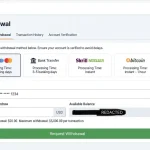
A payment option used to fund an account does not, by itself, establish how winnings can be paid out. Deposit and withdrawal arrangements are separate terms, and a Google Pay deposit claim cannot be treated as proof that a casino supports withdrawals to Google Pay. The same caution applies to searches for an online casino with Google Pay withdrawals: the wording of a payment claim does not settle the direction in which money can move.
Casinos That Accept Bitcoin in Australia: Payments
The limited withdrawal detail available concerns Amex, not Google Pay. A specialist review reports that some Australian online casinos do not permit withdrawals to Amex. That is a time-sensitive statement about a particular card method, not evidence about mobile wallets, and it should not be generalised to every operator or treated as a current market-wide rule.
The distinction matters because “accepts Google Pay” can describe a deposit facility without saying anything about cashing out. A withdrawal may be handled under separate terms, and the deposit method alone cannot establish what those terms allow. Nor does a reference to Google Pay in a cashier settle whether it is available for withdrawals. The two directions are not interchangeable.
This is more than a technical footnote. A payment description can sound complete while naming only the point at which funds enter an account. Unless withdrawal arrangements are stated separately, the phrase leaves the return route unresolved. A claim about a Google Pay withdrawal should therefore be assessed as a distinct claim, not inferred from deposit compatibility.
Acceptance of a payment method for deposits does not automatically mean the same method is available for withdrawals, as these arrangements are governed by separate terms.
There is also a wider limit to the protection attached to such transactions: Australian consumer law does not protect players who use offshore casinos. Payment wording does not change that position. A clear distinction between deposits and withdrawals cannot make an offshore service lawful or supply protections that are absent.
Deposit is one direction. That is all.
Australia’s Everyday Shift Between Cards and Wallets
In Australia, the ordinary payment scene has become remarkably familiar: a card held to a terminal, or a phone brought close enough to do the same job. Contactless credit and debit cards are accepted almost everywhere, as are mobile wallets such as Google Pay and Apple Pay. The gesture has changed less than the object in the hand.
That ease is part of the appeal. A wallet on a phone can make a separate piece of plastic feel unnecessary for a routine purchase, while the card remains ready for the moments when it is preferred. Neither has displaced the other. They sit side by side in a payment culture shaped by convenience, habit and the quiet expectation that a transaction should take little attention.
There is a small social history in that ordinary tap. Payment once involved counting notes or waiting for a card to be processed; now the exchange often happens in a motion brief enough to pass unnoticed. The technology recedes, leaving the familiar ritual of buying something and moving on. Progress, in this case, has been designed to look like nothing happening.
Google Pay belongs to that everyday landscape. Its broad acceptance at Australian contactless terminals helps explain why the name feels familiar beyond technology circles. But a payment method’s presence in shops does not establish its availability for every kind of online transaction. An Australian casino using Google Pay is a separate question from whether a café or retailer accepts a phone tap; the settings, operators and rules are not interchangeable.
EcoPayz Casinos in Australia: What Is Verified
That distinction matters because ordinary payment habits can create expectations. A person accustomed to using a mobile wallet in daily life may reasonably expect the same option to appear elsewhere, yet familiarity is not evidence of acceptance. The Australian street offers one picture: cards and phones moving through routine purchases with little ceremony. Online services require their own terms and arrangements.
The everyday tap is widespread. Its meaning is narrower than it seems.
Google Pay in a Market of Mixed Payment Habits
Australians are accustomed to moving between cards, mobile wallets and bank-linked services such as PayPal. Payment is less a declaration of loyalty to one system than a practical choice made from the options available at a particular counter or online checkout. That flexibility is part of everyday financial life.
It can make the question of Google Pay at a casino sound straightforward: a familiar wallet works in many ordinary settings, so perhaps it will work there too. But consumer comfort with switching methods describes a habit, not a universal acceptance rule. A payment option familiar to customers does not automatically appear in every merchant’s payment arrangements, and a general pattern in retail says little by itself about a specific online service.
Casinos That Accept Tether USDT in Australia
That distinction matters when the phrase “Google Pay casino” is treated as though it names a settled category. It does not. The words may describe a search for a payment option, but the underlying question is whether a particular service accepts that option under its own conditions. General familiarity with Google Pay cannot answer it. Nor does the presence of other digital or bank-linked services establish that the wallet is available alongside them.
A market comfortable with alternatives can still be uneven in the places those alternatives are offered. Cards, wallets and bank-linked services coexist in Australian consumer life; they are not interchangeable promises. Payment habits explain why the question arises. They do not settle the answer.
The small gap between the two is easy to overlook. Familiarity is not confirmation.
What are the deposit and withdrawal limits at the best Amex casinos?
Limits are set by each casino and can vary. Check the casino’s cashier or payment terms for its deposit and withdrawal limits; some casinos may not allow withdrawals to Amex.
Which online casinos accept American Express for deposits?
Ignition Casino, Joe Fortune and PlayAmo are listed as supporting Amex deposits for Australian players; Jackpot City Casino, Spin Palace and Ruby Fortune are also named. These are offshore services, and offering online casino games to people in Australia is prohibited under the Interactive Gambling Act 2001.
Are there fees for using Amex at online casinos?
Amex gambling transactions are generally free, but a casino may charge a 1.5% surcharge, withdrawals may incur fees, and currency conversion can cost 3%.
How long do Amex casino deposits take to process?
Amex deposits are processed instantly.
Are there any fees associated with using American Express at online casinos?
Amex gambling transactions are generally free, but a casino may charge a 1.5% surcharge, withdrawals may incur fees, and currency conversion can cost 3%.
Are there any limits on how much I can deposit or withdraw using American Express?
Yes. Each casino sets its own Amex deposit and withdrawal limits, and they can vary; check the cashier or payment terms. Some casinos do not permit withdrawals to Amex.
What should I do if my American Express deposit is declined?
Amex or your Australian bank may block gambling transactions, including payments to a particular website. Check with your card issuer to find out whether it has blocked the transaction.
AUD Banking and Payment Options at Roby Casino Australia

AUD Deposit Options at Roby Casino Australia
Roby supports several deposit categories that are relevant to Australian players: Visa, Mastercard, Skrill, Neteller,...

AUD Withdrawal Limits and Times at Roby Casino Australia
Roby supports several payment categories that can be relevant to withdrawals, including cards, e-wallets, bank...

$1 Minimum Deposit Casinos in Australia: What to Know
A casino’s stated minimum may differ from a payment method’s floor or the amount needed...

$1 Minimum Deposit Pokies in Australia: How It Works
A casino’s stated minimum is only one part of the transaction; the payment route may...

$10 Minimum Deposit Casinos in Australia: How It Works
The amount accepted depends on both the casino cashier and payment route, while costs and...

$10 Minimum Deposit Pokies in Australia: What It Means
A site's stated minimum may differ from what its card processor, wallet or other payment...

$2 Minimum Deposit Casinos in Australia: What to Know
A low operator threshold may not survive the payment chain, where processors can set a...

$20 Minimum Deposit Casinos in Australia
Australian casino deposit minimums can depend on the operator’s terms or on the payment method...

$20 Minimum Deposit Pokies in Australia: What It Means
A displayed minimum may come from a payment provider rather than the operator, and the...

$5 Minimum Deposit Casinos in Australia: Payment Rules
The amount accepted by an operator can differ from the minimum transaction required by the...

$5 Minimum Deposit Pokies in Australia: What It Means
The operator’s stated floor can differ from the minimum accepted by a payment method, while...

Anonymous crypto casinos in Australia: risks and tax
Bitcoin can ease casino payments, but anonymity, withdrawals, tax treatment and Australian access all have...

Aristocrat Online Pokies in Australia: What to Know
The search phrase does not verify a game's maker or availability, and Australian rules set...

Aussie Crypto Casinos: Rules, Risks and Payments
Australia’s rules distinguish domestic wagering from online casino services, leaving offshore crypto platforms outside the...

New Australian Online Pokies: Games and Risks
A closer look at how release labels, free-play modes, account access and bonus terms shape...

Online casino payment methods for Australians
See how PayID, transfers, vouchers and mobile wallets differ across deposits, withdrawals, processing delays and...

Best-Paying Online Pokies in Australia: Bitcoin Guide
A practical look at Bitcoin payments, payout claims, bonus conditions and the limits of Australian...

Bitcoin Pokies Australia: How Payments Work
Bitcoin changes how an account is funded, not the pokies themselves; free-play credits and real-money...

Casino Sites That Accept Amex in Australia
Acceptance can differ between operators, while deposit conditions, withdrawal eligibility and payment costs depend on...

Casino Sites That Accept BPAY in Australia: What’s Known
BPAY availability and withdrawal terms need confirmation; Australian-facing language does not make offshore casino games...

Casino Sites That Accept Credit Cards in Australia
Australia’s rules apply before the cashier, while card acceptance, issuer checks and withdrawal support vary...

EcoPayz Casinos in Australia: What Is Verified
The evidence distinguishes payment acceptance from legality and explains why no verified EcoPayz deposit or...

Casino Sites That Accept Osko in Australia: What’s Known
Australian payment habits may make Osko familiar, but they do not confirm that a casino...

Casino Sites That Accept Paysafecard in Australia
Paysafecard availability does not establish that an offshore casino offer is lawful or that a...

Casino Sites That Accept Skrill in Australia Explained
Skrill availability can describe a cashier option, but it does not establish that an online...

Trustly Casino Sites in Australia: What Is Known
The Interactive Gambling Act 2001 prohibits operators from providing real-money online casino games to people...

Under an Hour Casino Withdrawals in Australia Explained
Withdrawal estimates depend on when the operator’s review ends and when the payment channel begins...

No-ID Verification for Casino Withdrawals in Australia
Identity checks remain part of withdrawal processing, while payment methods and bonus conditions can affect...

Casinos That Accept Apple Pay in Australia: Evidence
Mobile-wallet availability in everyday Australian payments does not establish that an online casino supports Apple...

Casinos That Accept Bitcoin in Australia: Payments
Bitcoin changes how funds move, while operator procedures still govern accounts, disputes and the terms...

Bitcoin Cash Casinos in Australia: Legal and Payment Guide
Australian law bars operators from offering online casino games locally; this guide also covers offshore...

CashToCode Casinos in Australia: Acceptance Checks
A payment option listed online does not establish that a casino accepts CashToCode for Australian...

Casinos That Accept Ethereum in Australia
Ethereum is a possible transaction method, but its availability does not establish which games a...

Casinos That Accept Litecoin in Australia: What’s Verifiable
The page distinguishes cryptocurrency payment language from evidence of Australian availability, cashier support, or specific...

Casinos That Accept Mastercard in Australia: Legal Limits
A card option at the cashier does not establish legality, and the route used for...

Casinos That Accept MiFinity in Australia: What to Know
Familiar Australian payment options do not show whether an individual casino supports MiFinity or how...

Casinos That Accept Neosurf in Australia: What’s Verified
Neosurf payment claims, casino services and Australian gambling rules are distinct issues that require separate...

Casinos That Accept Neteller in Australia: What to Check
Neteller availability does not establish that an offshore casino may serve Australians or that deposits,...

Casinos That Accept PayID in Australia: Legal Context
Payment availability can explain a cashier’s options, but it cannot establish whether an offshore casino...

Casinos that accept PayPal in Australia: key facts
The article separates everyday payment familiarity from casino cashier availability and examines the limits of...

Casinos That Accept POLi in Australia: What to Know
A POLi label alone does not establish that an online casino can lawfully serve Australians...

Casinos That Accept Tether USDT in Australia
USDT payment claims do not establish which casinos accept it or verify their networks, games,...

Casinos That Accept Visa in Australia: Key Details
Visa availability varies by operator and card, while deposits, withdrawals and legal context remain separate...

Dragon Link Online Pokies in Australia: What Search Shows
The name alone does not establish a particular machine, an online version or availability to...

Easy Withdrawal Casinos in Australia: How Payouts Work
Withdrawal timing depends on operator review and fund release as well as the payment method’s...

Fast Casino Withdrawals in Australia: Payment Routes
Payment networks, casino approval, verification and terms all affect timing, while Australian law limits the...

Instant Bank Transfer Casinos in Australia: How They Work
Banking labels can cover different payment flows, and a deposit method may not be available...

Instant PayID Withdrawals for Real Money in Australia
PayID can move released funds through Australia's NPP, but it cannot determine when an operator...

Instant PayID Withdrawals in Australia: What to Know
PayID can move funds quickly after release, but casino checks, account verification and withdrawal terms...

Low deposit online casinos in Australia: payment limits
A low operator minimum does not guarantee a payment will go through, since the chosen...

New PayID Pokies in Australia: Payments and Checks
PayID can route quick bank transfers, but cashier details, bank limits, delays and bonus terms...

No-KYC Casino Australia: Crypto Payments Explained
A practical look at crypto and PayID payments, identity checks, and the conditions that can...

No Minimum Deposit Casinos in Australia: Payment Limits
The operator’s deposit rule is only one part of the chain; payment providers and purchase...

Online pokies instant withdrawals in Australia
A withdrawal request, operator approval and payment release are separate stages, so transfer speed alone...

Online pokies and PayID in Australia: what to know
PayID can move funds quickly, but cashier confirmation, bank limits, withdrawal checks and wagering terms...

Pay by Phone Casinos Australia: PayID and Bills
PayID can use a mobile number to identify a bank account, but the funds come...

Quick Casino Withdrawals in Australia: How Payouts Work
Payout timing depends on more than the payment method, while Australia's legal position on online...

Real cash online pokies in Australia: law and Bitcoin
A guide to Australia's restrictions on online pokies and the practical trade-offs of using Bitcoin...

Safe online pokies in Australia: legal and payment risks
The guide examines Australian legal limits, offshore operators, Bitcoin payment points, verification and bonus terms...

Same-Day Payout Casinos in Australia: How It Works
A withdrawal estimate can cover operator checks, the payment route, or both, so the stages...

Solana Casino Comparison for Australia
The guide separates Australian law on offshore operators from token transfers, bonus terms, cash-outs and...