Safe Online Casinos in Australia: Legal Risks
 Available in AU

Australian casino safety depends on more than secure payments, including legality, offshore recourse, identity checks, fair games and gambling controls.
Table of Contents
- The Legal Line Behind Australia’s Online Casino Search
- PayID, Fast Transfers and the Limits of Speed
- Real-Money Play and the Risks Offshore
- What “Best” Can Mean When Safety Comes First
- Casino Sites, Identity Checks and the Trust They Require
- Deposits Are Only Half the Payment Story
- Game Safety Is Not the Same as a Fair Return
- Mobile Access, Limits and the Cost of Convenience
- When a Casino Looks Safe but Isn’t
- Australian Dollars, Wallets and Responsible-Gambling Protections
The Legal Line Behind Australia’s Online Casino Search
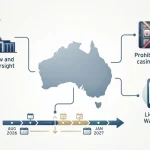
“Safe” can mean that a payment is protected, that a game behaves as described, or that a player has somewhere to turn when a dispute arises. In Australia, there is a more basic question beneath all three: whether the service is allowed to offer online casino games to people in the country at all. The answer begins with the Interactive Gambling Act 2001, which draws a line around operators rather than treating every player as a criminal.
The Act prohibits domestic operators from providing online casino games to Australian residents. Slots and table games may be familiar entertainment elsewhere, but familiarity does not change their status under Australian law. A polished site, an Australian-facing payment option or a reassuring claim about safety cannot, by itself, move an online casino across that legal line.
The distinction matters because the law’s reach is not identical on both sides of the transaction. The Act does not explicitly make an individual player criminally liable merely for using an offshore casino site. That is not an endorsement of offshore gambling, nor a promise that a player will be protected if something goes wrong. It is a narrower point about whom the law expressly targets: the restriction on supplying these services falls on operators.
A prohibition directed at the provider and the absence of an explicit offence for the player are not contradictory. They describe different responsibilities. The first determines what operators may offer to people in Australia; the second avoids turning the act of playing into the same kind of offence. That separation is easy to miss when legal language is compressed into a warning label. It is also central to understanding what “safe online casino Australia” can realistically mean.
ACMA, the Australian Communications and Media Authority, is the country’s primary online gambling regulator. Its work includes acting against operators that breach the Interactive Gambling Act. It can seek to have websites blocked and impose fines on operators that break the law. The distinction between a site being visible and its service being lawful is therefore not academic: access to a website does not confer permission to provide a prohibited product.
GameBeat Online Casinos in Australia: Bonus Guide · New Online Casino Sites in Australia: What to Check
There is a national register that helps make the legal landscape less dependent on a site’s own assurances. ACMA has urged people to consult its website and the register to understand which gambling products are legally available. Australians can also use the public register to check whether a wagering service holds a valid Australian licence. That check is useful for the service and product it covers; it should not be mistaken for evidence that online casino games are permitted. In this market, a licence check does not turn a prohibited casino offering into a lawful one.
The register also points to the limits of the word “licensed”. A service may make claims about regulation elsewhere, but an offshore licence is not the same as being licensed in Australia. Nor does a general impression of legitimacy settle the local question. The relevant distinction is whether the product is legally available here under Australian rules, not whether its website looks established or its terms use formal language.
KA Gaming Casinos in Australia: Slots and Wagering
Safety, then, cannot be reduced to appearance. A site may present itself as orderly and still offer a product that domestic operators are prohibited from supplying. Conversely, the fact that individual players are not explicitly criminalised under the Act does not provide the protections that would come with a lawful Australian casino market. The legal framework sets a boundary, not a quality mark.
That boundary reflects a choice about the market Australia permits: some gambling products may be offered under local rules, while online casino games are excluded. The result is an awkward phrase—“safe casino”—because safety suggests a range of consumer protections, while legality asks a prior, simpler question. The order matters. First, the product’s status; only then can other assurances be weighed. A tidy website is not a legal category.
PayID, Fast Transfers and the Limits of Speed
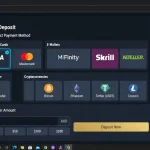
PayID changes how a payment is addressed, not what a payment proves. A transfer can move promptly through the banking system while leaving unanswered questions about the business receiving it. In Australia, many PayID transfers use the New Payments Platform, and a specialist payment-method review describes them as capable of clearing quickly—sometimes within minutes after release. That is a statement about the transfer leg, not a certificate of trust.
Attention: A rapid deposit via PayID confirms that the transaction moved, but it does not certify that the receiving casino service is safe or authorised.
The distinction matters because “sent”, “released” and “approved” are not interchangeable. A payment may be initiated in a banking app, but its arrival can still depend on the receiving service approving the transaction and releasing it into the payment network. A short interval after release says little about the time spent waiting before release. Nor does a rapid deposit establish that a casino service is safe, authorised or able to resolve a dispute.
The appeal is plain enough. PayID uses a familiar banking interface and avoids the ritual of copying account details by hand. A payment can feel ordinary because it resembles other bank transfers. But familiarity belongs to the payment method; it does not travel with the money as a guarantee about the recipient. A smooth transfer confirms that the transaction moved, not that the service behind it deserves confidence.
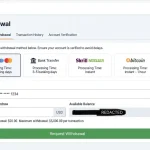
That is why a prompt deposit should not be confused with a prompt withdrawal. A specialist review of payment methods distinguishes quick processing after approval from the time taken for approval itself. It also notes that bank transfers and card transactions can take several business days, while PayID and some e-wallets may move more quickly once cleared for processing. These descriptions are conditional, not promises. Each stage has its own clock, and the word “instant” tends to make them sound like one.
Even a payment method that performs efficiently cannot settle the larger question hidden in searches for a safe PayID casino. Safety is not a property that can be inferred from a payment logo or a successful transfer. PayID is infrastructure. The operator is a separate matter. A fast route to a destination does not make the destination sound.
Playtech Online Casinos in Australia: What to Know · Novomatic Online Casinos in Australia: What to Verify
That point applies to promotions too. A no-deposit offer, if encountered, concerns the terms of an operator’s promotion; it does not become safer because PayID appears among the listed payment methods. Speed and a promotional label are both poor substitutes for evidence about the service itself. The mechanics of a payment cannot certify the promises around it.
Australia’s rules make that separation more than a technical nicety. Online casino games offered for real money to people in Australia are prohibited services, regardless of how a deposit is sent. A payment method does not alter the status of the service receiving the money. Nor does the fact that an individual player is not explicitly criminalised by the Interactive Gambling Act turn an offshore casino into a protected local service.
There is a small cultural irony here: the more familiar the transfer feels, the easier it is to mistake ordinary banking for ordinary consumer protection. The interface may be recognisable; the relationship on the other side may not be. The payment can arrive quickly. What follows is another question entirely.
A fast deposit is a fact about movement. It is not a verdict.
Real-Money Play and the Risks Offshore
Real-money play changes the meaning of “safe”. A site may load, accept account details and display games, yet none of those things establishes that Australian players have the protection of Australian law. The distinction is easy to miss because a screen can look orderly while the arrangement behind it remains outside the country’s consumer safeguards.
Legal Risk
Under the Interactive Gambling Act 2001, operators are prohibited from offering real-money online casino games to people in Australia.
Under the Interactive Gambling Act 2001, operators are prohibited from offering online casino games to people in Australia. That includes real-money casino play. The law draws a different line around the individual: it does not explicitly criminalise players for using offshore casino sites. This is not an endorsement or a declaration of safety. It describes where the law places responsibility.
The difference matters. An offshore operator’s willingness to accept a player does not make its service lawful to provide in Australia, nor does it create a reliable route to resolve a dispute. Unlicensed gambling services lack consumer protections. If an operator withholds winnings, Australian laws may not assist in recovering them. A balance shown on a screen is not the same thing as money secured by a system that can enforce a player’s claim.
This is where the ordinary language of online reviews can be misleading. Words such as “safe” may refer to a site’s appearance, its payment process or the handling of account information; they do not answer the more consequential question of what happens when the operator refuses to pay. A reassuring review cannot supply legal protection where the service is unlicensed. Nor can a smooth sign-up turn an offshore casino into an Australian-authorised one.
Access itself can be unstable. Australian authorities actively block prohibited gambling services, and a site that is reachable at one moment may not remain so. That uncertainty is not merely a nuisance for someone seeking entertainment. It can leave an account, its balance and any dispute subject to the offshore operator’s own terms and decisions. The practical risk sits with the player, while the operator is beyond the ordinary reach of domestic protections.
NetEnt Online Casinos in Australia: What to Know
A virtual private network does not solve that problem. Using a VPN to reach a casino may breach the site’s terms or trigger its location controls. The consequences can include voided winnings, account closure and loss of deposits. The technology can disguise a connection; it cannot confer permission to operate in Australia or guarantee that an operator will honour a balance. A workaround is not a safeguard.
There is a peculiar asymmetry here. The law does not explicitly criminalise the Australian player, but it prohibits the operator from supplying the online casino service to people in Australia. That distinction can sound reassuring when reduced to a single sentence. In practice, it leaves no assurance that a player’s money or winnings will be protected if the offshore service fails, blocks access or simply declines to pay.
So the question of whether online casino games are safe cannot be answered by looking only at whether a site opens on a phone or accepts a deposit. For real-money play, the central issue is not the polish of the interface but the absence of dependable local recourse. A casino can appear accessible without being authorised to serve Australians, and a player can face financial harm without having a practical remedy under Australian law.
That is the gap.
What “Best” Can Mean When Safety Comes First
For Australian players considering online casinos in 2026, checking the available licensing and payment details can help set expectations before choosing a site. Use these short verdicts as a reference when reviewing the options.
1. SpinsUp
License: Curacao Gaming Control Board OGL/2023/174/0082 (Dama N.V.) SpinsUp is listed with a Curacao Gaming Control Board licence, OGL/2023/174/0082, held by Dama N.V.
2. Bizzo Casino
License: Curacao Gaming Control Board (TechSolutions Group N.V.) Bizzo Casino is listed with a Curacao Gaming Control Board licence associated with TechSolutions Group N.V.
3. WinSpirit Casino
License: Curacao eGaming OGL/2024/923/0383 (Antillephone N.V.) · Min. deposit: A$30 WinSpirit Casino is listed with a Curacao eGaming licence, OGL/2024/923/0383, held by Antillephone N.V. Its minimum deposit is A$30.
4. DragonSlots Casino
License: Curacao Gaming Authority (Jumpman Gaming Ltd) DragonSlots Casino is listed with a Curacao Gaming Authority licence associated with Jumpman Gaming Ltd.
5. Roby Casino
License: Curacao eGaming (Roby Games Ltd) Roby Casino is listed with a Curacao eGaming licence associated with Roby Games Ltd.
6. LevelUp Casino
License: Curacao eGaming OGL/2023/174/0082 (Dama N.V.) · Min. deposit: A$15 LevelUp Casino is listed with a Curacao eGaming licence, OGL/2023/174/0082, held by Dama N.V. Its minimum deposit is A$15.
7. Lucky Dreams
License: Curacao · Min. deposit: A$20 (POLi) Lucky Dreams is listed with a Curacao licence. Its minimum deposit is A$20 when using POLi.
8. Ricky Casino
Payout speed: crypto under 1 hour, PayID 1-3 business days · Min. deposit: A$20 (A$30 to qualify for the bonus) Ricky Casino lists crypto payouts as taking under 1 hour and PayID payouts as taking 1–3 business days. The minimum deposit is A$20, or A$30 to qualify for the bonus.
9. GoldenCrown
License: Curacao Gaming Control Board OGL/2023/176/0095 (Hollycorn N.V.) GoldenCrown is listed with a Curacao Gaming Control Board licence, OGL/2023/176/0095, held by Hollycorn N.V.
10. House of Pokies
License: international iGaming licence – jurisdiction not named in the source · Payout speed: PayID 1-24 hours · Min. deposit: A$30 (PayID from A$10) House of Pokies lists an international iGaming licence, though the source does not name its jurisdiction. PayID payouts are listed as taking 1–24 hours; the minimum deposit is A$30, or A$10 when depositing with PayID.
“Best” is a tidy word for a messy judgement. In casino advertising, it can mean the brightest interface, the broadest game catalogue or the easiest payment route. None of those qualities, on its own, answers the more serious question: what protection exists if something goes wrong? A ranking can arrange services neatly without resolving that question.
For Australians, the distinction is especially important. The Interactive Gambling Act 2001 bars operators from offering real-money online casino games to people in Australia. A polished site, an offshore licence or a reassuring label does not turn that service into one authorised to provide online casino games here. Safety language can soften the appearance of a risk; it cannot change the legal position.
Encryption is one concrete technical safeguard, but a narrow one. Casinos use SSL encryption to protect transactions and sensitive information as they move between a user’s device and the site. That can help guard data in transit. It does not establish who operates the service, whether the service is authorised in Australia, or what recourse a player would have in a dispute. A locked digital channel is still only a channel.
That limit matters because “safe” often collapses several different ideas into one. A site may protect a connection while leaving broader questions unanswered. Technical security concerns the handling of information. Legal status concerns whether an operator may offer the service to Australians. Consumer protection concerns what happens when a promise is contested. These are not interchangeable assurances, however often they are presented together.
Wazdan Online Casinos in Australia: Games and Risks
A sensible reading of any safety claim starts by separating what can be observed from what is merely asserted. Does the claim describe a specific technical measure, or does it use a broad adjective such as “trusted” or “secure”? Is that measure being treated as proof of something it cannot show? Encryption can speak to the protection of information during transmission. It cannot certify an operator’s standing under Australian law.
The same caution applies to searches for a safe place to play slots or a safer way to bet online. The wording may suggest that safety is a feature that can be selected from a menu, like a theme or a payment option. In reality, one protective measure does not settle the wider question. The word “best” can conceal that gap, turning a comparison into an endorsement without showing what the endorsement rests on.
There is a small cultural irony here. The internet gives risk a reassuring interface: a clean page, familiar symbols and the appearance of a private transaction. Those details can make a service feel settled before its status has been established. But visual confidence is not legal authority, and a technical safeguard is not a guarantee of practical protection.
The useful standard is therefore modest: treat encryption as one safeguard, not a verdict. For Australians, a service offering real-money online casino games cannot become authorised simply by presenting itself as secure. The distinction is plain. The consequences are not.
Casino Sites, Identity Checks and the Trust They Require
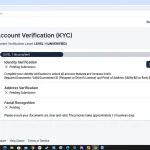
Identity checks are often described as routine administration. The phrase makes them sound like a formality, but the process asks for something more intimate than a password: documents that tie a name, a home address and a payment method to one person. In online gambling, that request commonly arrives before a withdrawal can be made.
Documents for identity verification
Commonly requested documents include photo identification, proof of address, and proof that the payment method used belongs to the account holder.
Casinos conduct know-your-customer, or KYC, checks and require identity verification before withdrawals. The documents commonly requested are photo identification, proof of address and proof that the payment method used belongs to the account holder. These are not interchangeable scraps of paperwork. Together, they can reveal a person’s identity, where they live and how they move money.
The timing matters. A deposit may be accepted before the identity check is complete, while access to a withdrawal depends on passing it. That creates an imbalance: money can go in before the account holder has established that the site will accept their documents and process a request to get money back. Verification is therefore not merely a box to tick at registration. It can become a condition of leaving.
A request for documents does not, by itself, prove that a service is safe. KYC can help a business identify account holders, but it also creates a store of sensitive information and a reason to ask how that information will be handled. The familiar lock symbol or polished appearance of a page cannot answer that question. Nor does a request for identification establish that an operator is authorised to provide online casino games in Australia.
That distinction is especially important in the Australian setting. The law bars domestic operators from offering online casino games to people in Australia; a foreign-facing site’s identity procedure does not change that position. The paperwork can look orderly while the larger arrangement remains outside the protections a person might assume are present. Order is not the same as recourse.
Betsoft Online Casinos in Australia: What to Check
A careful reading of a verification request would include the purpose of each document and the point at which it is required. If a site asks for photo identification, address evidence and payment ownership proof, those are substantial disclosures, not incidental profile details. Any uncertainty about what is being collected, or why, belongs in the same calculation as the convenience of opening an account. A document sent cannot be made private again by closing a tab.
There is also a human oddity in the sequence. The account holder is asked to prove they are who they say they are precisely when trying to withdraw money, after the site has already accepted the relationship on the way in. The rule may be framed as security; the practical consequence is that the burden of proof falls most visibly at the moment funds are due back.
For someone assessing whether an online casino is safe, identity checks are a measure of exposure as much as a sign of process. The documents commonly requested are clear enough. What they cannot establish on their own is whether a service offers meaningful protection if a dispute arises. A file of personal documents is not a safety net.
Deposits Are Only Half the Payment Story
A deposit button describes the beginning of a payment, not the route back. That distinction matters whenever a service advertises a familiar local method: money entering an account does not establish that the same method can return it, or that a withdrawal will move on the same timetable. Payment convenience is often measured at the point of arrival. The more revealing detail sits in the terms for leaving.
POLi is primarily characterised as a method for deposits; its presence does not guarantee that withdrawals can be processed through the same service.
A specialist payment-method review characterises POLi mainly as a way to deposit. Its presence should not be read as evidence that a withdrawal can be sent through POLi as well. The two transactions may look like opposite sides of one account balance, but they are handled as separate steps, with different routes and conditions. A method that makes funding straightforward can still leave the return journey to a bank transfer, card, or another option specified by the service.
That is the payment-flow question behind searches for a safe way to pay at an online casino: not simply whether a deposit can be made, but what happens when funds are requested back. For Australians, this question does not make an offshore casino lawful or protected; it only clarifies the limits of a payment method. A smooth deposit is a poor substitute for a dependable withdrawal process.
Cards add another uncertainty. A specialist review notes that card withdrawals may take longer or may not be available, depending on the payment processor. The word “card” therefore does not settle the matter. A card accepted for deposits may not be supported for withdrawals, and even where it is, the processor can affect how the return is handled. The route may differ from the one used to fund the account.
The terms should be read as a sequence: which methods accept deposits, which methods permit withdrawals, and whether the same route applies in both directions. Any mismatch is material. A method list that appears generous at the cashier can describe only incoming payments; it is not, by itself, a promise about cashing out. Nor does the appearance of a recognised payment logo establish that the gambling service is safe or authorised in Australia.
BGaming Casinos in Australia: Bonuses and Withdrawals
This is a modest but useful distinction. Payment systems are built to move money, not to guarantee a player’s recourse if a service refuses a withdrawal. POLi can be deposit-focused; card withdrawals can be processor-dependent. Neither fact turns an easy payment into a safe one.
Money going in is only half the story.
Game Safety Is Not the Same as a Fair Return
“Safe” can describe several different things, and a pokie’s return-to-player figure answers only one narrow question. RTP is the game’s stated theoretical return over play; it is not a promise about what any individual session will pay. A displayed figure therefore cannot establish that a game is fair in every practical sense, or that the service offering it is safe to use.
The figure may be found inside the game itself. Its information or help screen is often opened through an “i” symbol or a menu icon. That screen is more useful than relying on the game’s title alone: some providers issue the same game in more than one RTP version, and the operator selects which version to run. Two games with an identical name may therefore not have the same stated return.
That small distinction matters. A familiar title can suggest continuity, while the underlying setting differs. The game name identifies the product family; it does not necessarily identify the version in use. Where the information screen does not make the RTP clear, the name alone cannot fill in the gap.
Nor does RTP settle whether an online casino is safe. It says nothing about how an operator handles accounts, payments or disputes. A clear game information screen is a useful detail, not a certificate of trustworthiness. The word “safe” carries more weight than a return figure can bear.
Playson Online Casinos in Australia: What to Verify
There is also a separate Australian boundary. Online slots and casino games such as blackjack are illegal when offered to people in Australia. That remains true whether the game is played for money or encountered in a free-play mode: a game’s settings do not change the status of the service offering it. Free access is not a licence, and a displayed RTP does not make an online casino lawful.
The sensible reading of an RTP screen is therefore modest. It can help identify the version selected by an operator, if the screen states the figure. It cannot predict an individual result, certify the operator, or turn a prohibited service into an authorised one. A number in a help menu is informative. It is not a shield.
Mobile Access, Limits and the Cost of Convenience
A casino that fits on a phone can make gambling feel like one more small task between messages, travel and the rest of the day. That ease is not itself a safety feature. A login screen may be orderly, and a mobile site may work smoothly, without establishing that the service is authorised to offer casino games in Australia. Mobile availability changes the route to a service, not its legal status.
Control matters more than the size of the screen. A deposit limit can put a boundary around money entering an account; it cannot make an unauthorised service safe or guarantee that the boundary will be respected. One specialist review describes licensed online casinos as offering deposit limits that can be set daily, weekly or monthly. That is a description of a feature elsewhere, not evidence that a casino is licensed in Australia. Real-money online casino games remain prohibited for operators serving people in Australia.
Online Casino Australia Real Money: Legal Context
A limit is useful only if its terms are clear and it can be found before depositing. On a phone, buried settings and hurried taps can make an important control feel like a minor preference. The practical distinction is between a setting that is visible and intelligible, and one whose existence is merely advertised. Convenience can shorten the path to a deposit; it does not necessarily shorten the path to help.
That difference becomes more important when gambling stops feeling manageable. Reputable platforms provide information about gambling-related harm and point people towards professional support services across Australia. Gambling Help Online is one such service. On a mobile screen, support information should be findable without having to navigate through promotional material or an account’s payment controls. Its presence is a useful sign of attention to harm, but it does not prove that the gambling service itself is lawful or that a person will receive protection in a dispute.
The phone also blurs the boundary between a deliberate session and an impulsive return. That is not a defect unique to gambling; it is one of the ordinary powers of a device designed to keep services close. But when money is involved, closeness has a cost. A limit may help structure deposits, while a direct route to independent support can create a pause outside the operator’s own interface.
Platipus Casinos in Australia: Bonuses and Play
No screen size resolves the central question. A mobile casino is not safer because it loads quickly, accepts a familiar login, or displays a limit. In Australia, the useful distinction is between access and protection: the first can be effortless; the second cannot be inferred from convenience.
When a Casino Looks Safe but Isn’t
A secure-looking page can answer one narrow question: whether information sent between a browser and the site is protected in transit. Casinos use SSL encryption to safeguard transactions and sensitive information. That matters when personal or payment details are being transmitted. It does not tell the whole story.
Encryption is a technical measure, not a licence, a regulator’s approval or a promise that a dispute will be resolved. A padlock symbol can therefore be reassuring in its proper place and misleading when treated as a verdict on the business behind it. The connection may be protected while the service itself offers little meaningful protection to players.
That distinction matters in Australia, where real-money online casino services are prohibited for operators serving people in the country. A polished design, secure connection or foreign licence does not make an offshore casino authorised to operate here. Nor does technical security establish that winnings will be paid or that a complaint can be taken to an effective local authority.
Online Casinos in Australia: Ratings and Key Considerations
Unlicensed gambling services lack consumer protections, and Australian laws may not assist when winnings are withheld. The practical question is not simply whether a site can protect data from interception. It is also whether players have recourse if the operator disputes a withdrawal, closes an account or stops responding. Encryption cannot settle those questions.
The phrase “safe online casino” compresses several different ideas into one: secure data handling, lawful operation, fair treatment and access to remedies. Only the first is addressed by SSL. The remaining questions concern the status and conduct of the service, not the strength of its connection.
So a secure connection is worth recognising, but not overreading. It is a lock on the channel, not a certificate of trust. Short distinction.
Australian Dollars, Wallets and Responsible-Gambling Protections
An amount shown in Australian dollars can make a gambling balance easier to read, but currency is not a credential. A wallet may organise transactions or reduce the friction of moving money; neither an AUD label nor a familiar payment interface establishes that an online casino is authorised to serve people in Australia. The distinction matters because the neatness of a balance can give an offshore service a local appearance without bringing local protections with it.
Online Craps in Australia: Casinos and Legal Limits
Money management is less about the container than the rules around it. A deposit limit can place a boundary on funds entering an account, while responsible-gambling obligations can require operators to build safeguards into the service. Under the Interactive Gambling Act, licensed operators are subject to strict responsible-gambling regulations. That protection should not be mistaken for evidence that a real-money online casino is licensed in Australia: domestic operators are prohibited from offering online casino games to Australian residents.
A specialist review reports that licensed online casinos may let players set deposit limits by day, week or month. That is a description of a reported feature, not a dependable market-wide promise. For an offshore service, the same menu item may be absent, hard to enforce, or unsupported by Australian oversight. A limit is meaningful only if it is clear, applied to deposits as stated, and backed by obligations the operator must meet.
Wallets can make spending feel separate from ordinary banking, but separation is not protection. The practical questions concern whether the balance is displayed in AUD, how deposits are controlled, whether limits can be set and maintained, and what responsible-gambling information is available. These are questions about accountability, not endorsements of a payment product or casino.
Australia’s rules draw a firm boundary around online casino offerings. An offshore site’s presentation of local currency does not move it across that line. Nor should safeguards associated with licensed operators be assumed to travel with an offshore account. A familiar currency is only a format. The protections depend on the framework behind the service.
What are the legal consequences for Australian players using offshore casinos?
The Interactive Gambling Act 2001 prohibits operators from offering online casino games to Australian residents, but it does not explicitly criminalise individual players for using offshore casino sites. ACMA can act against operators, including requesting website blocking and issuing fines.
What responsible gambling tools and support services are available?
Licensed operators are required to follow responsible gambling rules, and licensed services may offer daily, weekly or monthly deposit limits. Reputable platforms also provide information about gambling-related harm and direct users to professional support services in Australia.
Which banking methods are available for deposits and withdrawals?
PayID, some e-wallets, bank transfers and cards are mentioned as payment methods, while POLi is mainly for deposits. PayID and some e-wallets may process quickly after approval; bank transfers and cards can take several business days, and card withdrawals may be slower or unavailable.
What documents might be needed for verification?
You may be asked for photo ID, proof of address and proof that you own the payment method used. Identity checks are commonly required before withdrawals.
How long should a withdrawal take from a secure casino?
There is no single timeframe across payment methods: PayID and some e-wallets can move quickly once approved, while bank transfers and card transactions can take several business days. Card withdrawals may also be slower or unavailable, depending on the processor.
Casinos

1spin4win Casinos in Australia: Games and Terms
A practical look at game listings, demo access, bonus conditions and the rules that shape...

Australian Mobile Casinos: Access, Payments and Risks
A practical guide to mobile access, payment routes, bonus conditions and the limits of offshore...

Betsoft Online Casinos in Australia: What to Check
A Betsoft name alone does not verify a game catalogue, free-play access or casino terms,...

BGaming Casinos in Australia: Bonuses and Withdrawals
A practical look at wagering rules, slot contributions, free-play claims, deposits and the checks that...

Booming Online Casinos in Australia: Offshore Rules
A practical look at offshore casino access, payment routes, verification, wagering terms and the limits...

Booongo Online Casinos in Australia: What to Check
The guide distinguishes game and demo claims from verified availability, and explains what bonus terms...

Casino apps for Android in Australia: what to know
Australian rules, browser-based access, payment options and verification all shape what mobile casino play involves....

iPhone casino apps in Australia: access explained
Australian casino sites commonly use browser access or a home-screen PWA rather than a native...

Casino Apps in Australia: How Mobile Access Works
Most Australian mobile casino access comes through a browser or PWA, while real-money services raise...

Casinos Not on BetStop in Australia: What It Means
Offshore platforms may accept Australian registrations, but that does not exempt them from Australian law...

Online Craps in Australia: Casinos and Legal Limits
A practical guide to electronic and live formats, offshore licensing, rules, bonus terms, payments and...

GameBeat Online Casinos in Australia: Bonus Guide
Explore how slot wagering, bonus conditions, game formats and withdrawal rules shape the experience of...

Best Instant Withdrawal Casinos in Australia
Withdrawal speed depends on more than the payment label: account checks, bonus terms and the...

International Casinos for Australian Players: What to Know
A practical look at Australia’s legal boundary, mobile play, payment routes, bonus terms and the...

KA Gaming Casinos in Australia: Slots and Wagering
KA Gaming searches can lead to different games and play modes, while casino availability and...

Microgaming Casinos in Australia: Bonus Rules
Microgaming slot rounds can contribute fully to wagering, but the promotion’s terms decide which games...

NetEnt Online Casinos in Australia: What to Know
The guide separates game-provider claims from offshore access, bonus conditions, payment checks and details that...

New Online Casino Sites in Australia: What to Check
New branding does not establish who operates a casino or what its licence claim means;...

Novomatic Online Casinos in Australia: What to Verify
A provider name or promotional heading alone cannot establish which Novomatic games a site offers...

Offshore Casinos for Australian Players: Access and Limits
A practical look at mobile access, licensing limits, bonus terms and payment routes for Australians...

Big Jackpot Pokies at Online Casinos: What to Know
A practical guide to jackpot tiers, game rules, bonus conditions and the limits of interpreting...

Big Jackpot Slots in Australia: Casino Guide
This guide separates jackpot mechanics and naming claims from the legal reality of offshore casino...

Platipus Casinos in Australia: Bonuses and Play
Demo sessions let players explore a game's pace and mechanics, while bonus wagering depends on...

Playson Online Casinos in Australia: What to Verify
A look at the evidence behind game listings, demo access, offshore casino claims and the...

Playtech Online Casinos in Australia: What to Know
A look at slots, mobile play, offshore sites, offers and withdrawals, with a focus on...

Pragmatic Play Online Casinos in Australia: Rules
Slots generally count in full toward wagering, but that records qualifying play rather than guaranteeing...

Quickspin Online Casinos in Australia: Bonus Maths
Slots generally contribute fully to wagering, but a branded search alone cannot confirm a game,...

Real-Money Online Casinos in Australia: Rules and Risks
Offshore casino options involve game terms, bonus wagering, payment holds and limits on the protection...

Relax Gaming Casinos in Australia: Slots and Bonuses
A practical look at offshore casino play, slot formats, bonuses, wagering conditions and the distinction...

RTG Casinos in Australia: Games, Terms and Trust
RTG identifies a software portfolio, not an operator’s terms, account conditions or the availability of...

Wazdan Online Casinos in Australia: Games and Risks
A practical look at game information, offshore access, bonus conditions and withdrawals, without treating branding...

Curaçao casino licences for Australian players
The guide distinguishes a foreign operator’s licence from Australia’s rules on supplying online casino games...

Australian Online Casino Slots: How Pokies Work
A practical guide to slot outcomes, bonus terms and the distinction between online casino sites...

Golden Pokies Casino Australia: How Online Play Works
See how RNG outcomes, RTP, bonus conditions and cash-outs affect the experience, and what reviews...

Highest-Payout Online Casinos in Australia: RTP Explained
RTP describes a theoretical return over extensive play, while session results and withdrawal speed measure...

House of Pokies Casino Australia: A Practical Review
A grounded look at how independent spins, bonus conditions, account access and withdrawals shape the...

iPad Casinos in Australia: Compatibility and Access
Game availability depends on how each title is built, while screen fit, browser access and...

Inclave Casinos in Australia: Access and Legal Limits
The guide separates account access and promotional claims from the rules governing the supply of...

Secure Online Casinos in Australia: What to Check
In Australia, account protection and payment handling matter, but neither makes offshore real-money casino play...

Online Pokies with E-Wallets in Australia
Mobile pokies run through a casino website or app-like interface, while an e-wallet is a...

Online pokies in Australia: real-money no-deposit play
The guide separates operator obligations from player liability and examines bonus conditions, mobile access and...

Pocket Pokies Casino in Australia: What to Know
The name may feel familiar, but online access, bonus conditions and withdrawals call for separate...

Pokies Open Near Me in Australia: Casino Hours
Casino operating hours do not automatically confirm access to every gaming area, service or entrance....

Pokies Parlour Casinos in Australia: Licences and Offers
The article distinguishes informal parlour language from local casino licensing and examines what reviews, bonuses...

Real-Money Pokies on Android in Australia
The guide explains Australia’s legal boundary, app and browser options, virtual credits, and practical payment...

Real-Money Pokies Apps in Australia: How Access Works
Many services presented as pokies apps run through a mobile browser, with deposits, verification and...

Online Casino Australia Real Money: Legal Context
Australia has no locally licensed real-money online casino operating under this framework, though offshore sites...

Online Casinos in Australia: Ratings and Key Considerations
An overview of offshore casino sites, bonus rules, wagering conditions, mobile deposits and the checks...

Uptown Pokies Casino Australia: What Can Be Verified
A careful look at what the name establishes, what remains unverified, and how Australian rules...

VPN-Friendly Casinos in Australia: Access and Limits
A practical explanation of DNS blocking, casino detection, offshore access rules and why changing a...