Casinos That Accept Tether USDT in Australia
 Available in AU

USDT payment claims do not establish which casinos accept it or verify their networks, games, access conditions or transaction terms.
Table of Contents
- Tether Online: What the Payment Facts Can—and Cannot—Establish
- Assessing Tether Casinos Without a Verified Shortlist
- Online Casino Claims, KYC and the Australian Legal Context
- Slots and Bonus Claims: What Can Be Substantiated
- Casino Games and Tether: Payment Does Not Verify the Game
- TRC20 and the Missing Network-Specific Evidence
- Australian Residents and Offshore Casino Services
- Playing with Tether: The Boundary Between Payment and Access
- Live Dealers, Crypto Payments and What Remains Unverified
- Tether Deposits and Withdrawals: Timing, Fees and Verification Limits
Tether Online: What the Payment Facts Can—and Cannot—Establish
Cryptocurrency is often discussed as though it were a single payment method with one set of rules. It is not. Bitcoin, Ethereum and Tether are distinct assets, and a statement about one does not automatically describe another. That distinction matters whenever a payment claim is used to suggest what a particular online service will accept or how it will handle a transaction.
The established general picture is that cryptocurrencies such as Bitcoin and Ethereum can provide instant deposits and withdrawals with limited or no fees. Those characteristics help explain why digital currencies are discussed as alternatives to more familiar payment routes. They do not, by themselves, establish the terms for every cryptocurrency, service or transaction.
Tether, commonly identified by the ticker USDT, is a separate digital asset. The broad category “cryptocurrency” is not a guarantee that all members of that category behave alike at the point of payment. A claim about speed or fees for Bitcoin and Ethereum cannot simply be transferred to USDT, any more than a payment arrangement for one currency can be assumed to apply to another.
For Australians considering casino deposits in Tether, check whether USDT is currently supported and what deposit conditions apply before choosing a site. The details below highlight only the information available for each operator.
1. SpinsUp
License: Curacao Gaming Control Board OGL/2023/174/0082 (Dama N.V.) SpinsUp is listed with a Curacao Gaming Control Board licence, OGL/2023/174/0082, held by Dama N.V. The available details do not specify whether USDT deposits are supported.
2. Bizzo Casino
License: Curacao Gaming Control Board (TechSolutions Group N.V.) Bizzo Casino is listed with a Curacao Gaming Control Board licence for TechSolutions Group N.V. No USDT payment details are provided.
3. WinSpirit Casino
License: Curacao eGaming OGL/2024/923/0383 (Antillephone N.V.) · Min. deposit: A$30 WinSpirit Casino is listed with a Curacao eGaming licence, OGL/2024/923/0383, held by Antillephone N.V., and a minimum deposit of A$30. The available details do not confirm USDT support.
4. DragonSlots Casino
License: Curacao Gaming Authority (Jumpman Gaming Ltd) DragonSlots Casino is listed with a Curacao Gaming Authority licence associated with Jumpman Gaming Ltd. The provided information does not specify its deposit methods.
5. Roby Casino
License: Curacao eGaming (Roby Games Ltd) Roby Casino is listed with a Curacao eGaming licence for Roby Games Ltd. No deposit or USDT information is available here.
6. LevelUp Casino
License: Curacao eGaming OGL/2023/174/0082 (Dama N.V.) · Min. deposit: A$15 LevelUp Casino is listed with a Curacao eGaming licence, OGL/2023/174/0082, held by Dama N.V., and a minimum deposit of A$15. The available details do not say whether USDT is accepted.
7. Lucky Dreams
License: Curacao · Min. deposit: A$20 (POLi) Lucky Dreams is listed with a Curacao licence and a minimum deposit of A$20 via POLi. The provided details do not specify USDT availability.
8. Ricky Casino
Payout speed: crypto under 1 hour, PayID 1-3 business days · Min. deposit: A$20 (A$30 to qualify for the bonus) Ricky Casino lists crypto payouts in under an hour and PayID payouts in 1–3 business days. Its minimum deposit is A$20, or A$30 to qualify for the bonus; the details do not identify USDT specifically.
9. GoldenCrown
License: Curacao Gaming Control Board OGL/2023/176/0095 (Hollycorn N.V.) GoldenCrown is listed with a Curacao Gaming Control Board licence, OGL/2023/176/0095, held by Hollycorn N.V. The available information does not confirm USDT deposits.
10. House of Pokies
License: international iGaming licence – jurisdiction not named in the source · Payout speed: PayID 1-24 hours · Min. deposit: A$30 (PayID from A$10) House of Pokies is listed with an international iGaming licence, but the jurisdiction is not named in the source. PayID payouts are stated as 1–24 hours, with a minimum deposit of A$30, or A$10 via PayID; USDT support is not specified.
That is a small distinction with a large practical consequence. “Crypto accepted” is a broad description, not a complete account of a cashier’s conditions. Payment availability, processing and costs are details of a particular arrangement. A general statement about cryptocurrencies offers context, but it cannot carry all those details on its back.
The difference between a category and a payment term
Payment language tends to flatten distinctions. A cashier may present several methods in the same interface, making them look like variations on one convenience. Yet the presence of a cryptocurrency label does not settle which asset is involved, or what conditions accompany it. The name of the asset is only the beginning of the description.
Even the words “instant” and “low fee” need careful boundaries. It does not mean that every transaction is immediate, or that every service handles each currency on identical terms. Nor does it establish that a particular USDT payment will be free or arrive without delay.
The distinction is not a technicality designed to spoil a neat comparison. It is the comparison. A payment method is useful to assess only when its actual terms are known; the reputation of a neighbouring method cannot substitute for them. In a market where labels travel faster than explanations, the label may sound more definite than the arrangement it describes.
This is why “tether online” can refer to several different things in ordinary conversation. It may mean that a service claims to accept USDT, that someone has heard of cryptocurrency payments generally, or that the person is asking whether tether works in a particular setting. Those are not equivalent statements. The first is a service-specific claim; the second is background knowledge; the third remains a question until the relevant terms are clear.
What the broader crypto picture does establish
They also show why users may associate digital assets with quick movement of funds. That association is understandable, but it is not a universal specification.
Casinos That Accept Neteller in Australia: What to Check
No payment category can do the work of a transaction record. A deposit and a withdrawal are separate events, and broad claims about both do not prove that a given service supports both for a given asset. Likewise, a general description of limited fees cannot be treated as a promise that every participant in a payment chain charges nothing. “Limited or no fees” is a description of the stated general picture, not a receipt.
Tether therefore needs to be considered by its own stated terms, rather than by borrowing the attributes attached to Bitcoin or Ethereum. If USDT is named, the name should identify the asset under discussion—not imply that its speed, cost or availability has already been established by facts about other cryptocurrencies.
That restraint may seem less satisfying than a simple verdict. Payment systems rarely reward neatness. A single word—“crypto”—can cover assets with different arrangements, while the cashier’s actual conditions remain specific to the service and transaction. Treating the category as a guarantee would make the prose smoother and the information worse.
Casinos That Accept POLi in Australia: What to Know
The useful boundary is clear: general cryptocurrency information can describe the potential for quick deposits and withdrawals with limited or no fees, as seen with Bitcoin and Ethereum. It cannot establish identical conditions for USDT. In the absence of asset-specific terms, there is no sound basis for turning one currency’s reported characteristics into another’s promise.
The distinction is modest. The consequences are not.
Assessing Tether Casinos Without a Verified Shortlist
A claim that a casino accepts Tether is not, on its own, a basis for comparing that service with another. Acceptance is only one detail, and a comparison would also need dependable, current information about the operator and the terms attached to its payment options. Without that footing, naming a “best” site would turn uncertainty into an endorsement. A tidy ranking can look authoritative while saying very little.
This matters particularly in Australia, where the familiar language of consumer choice sits beside a different legal reality. Under the Interactive Gambling Act 2001, operators may not provide real-money online casino games to people in Australia. That restriction shapes what can responsibly be said about purported casino services for Australian residents. A payment claim does not establish that an operator may lawfully serve them.
Casinos That Accept Mastercard in Australia: Legal Limits
Nor does a list become sound merely by repeating names found elsewhere. Availability, payment terms and operator practices can change, and a statement about one provider cannot be carried over to another. Even the words “accepts Tether” leave important questions unanswered: what exactly does the operator mean by acceptance, and do the stated terms apply to the service and customer being described? In the absence of reliable, operator-specific detail, those questions cannot be settled by arranging names in order.
The same caution applies to claims about a bonus or a catalogue of games. A payment option does not verify either. These are separate claims, each needing its own evidence. Folding them together in a single label such as “best Tether casino” makes the label sound more informative than it is. The phrasing is compact; the evidence behind it may not be.
Australians are accustomed to moving among familiar ways of paying. Contactless credit and debit cards are accepted almost everywhere in the country, as are mobile wallets such as Google Pay and Apple Pay. Services connected to bank accounts, including PayPal, are also part of a payment landscape in which switching between methods is ordinary. That familiarity can make a new digital payment option seem like one more item on a menu. It does not, by itself, tell anything about the reliability or legal status of the service accepting it.
A specialist review has suggested that Visa may be accepted at more Australian online casinos than American Express. That is a claim attributed to one kind of source, not a settled measure of the market, and it may become outdated. It also concerns card acceptance, not Tether. Treating it as a broad rule for every operator would stretch a limited observation beyond its subject.
There is a quiet difference between being used to choice and having a dependable choice. Cards, mobile wallets and bank-linked services have familiar names and everyday contexts. A cryptocurrency label may be less familiar, but unfamiliarity is not evidence of quality, nor is a familiar payment brand proof that a casino service is suitable. Each claim needs to stand on its own. The payment method cannot certify the operator, and a polished payment page cannot settle the legal question.
Legal Warning
Under the Interactive Gambling Act 2001, operators are prohibited from providing real-money online casino games to people in Australia.
That is why a defensible comparison of Tether casinos for Australians cannot be built from payment labels alone. Naming or ranking specific providers would imply that their availability and terms had been established for this audience. It would also risk presenting an operator’s offer as an option to pursue, despite the prohibition on operators providing online casino games to people in Australia. Restraint here is not a failure to compare; it is recognition that a comparison without sound grounds can mislead.
The distinction has consequences beyond a page of rankings. Australian consumer law does not protect players who use offshore casinos. A familiar payment route does not supply that protection, and the presence of a digital currency option does not change the position. Consumer habits may cross from cards to wallets to bank-linked services with little ceremony. The protections attached to those habits do not automatically travel with them.
In this setting, “best” is not a neutral adjective. It suggests both a meaningful contest and a sound basis for judging its entrants. Neither follows from the mere appearance of Tether in a payment description. Better to leave the ranking unwritten than turn a payment claim into an assurance it cannot support.
Online Casino Claims, KYC and the Australian Legal Context
A site’s claim that it accepts Tether is a statement about a payment method, not a statement about whether its casino service may lawfully be offered in Australia. The distinction matters because the Interactive Gambling Act 2001 addresses the operator’s conduct: it prohibits operators from providing online casino games to Australian residents. A payment option cannot alter that rule.
The law also places responsibility for enforcement with the Australian Communications and Media Authority (ACMA). That is the institutional answer to a practical question often blurred by polished websites and confident claims: the existence of an online service does not mean it is permitted to provide casino games to people in Australia. A page describing an online casino that accepts Tether may make the service sound ordinary. The legal position is not made ordinary by the wording.
Trustly Casino Sites in Australia: What Is Known
There is a wider point about how digital commerce presents itself. A cashier can make a transaction look like a small, self-contained exchange: choose a method, enter an amount, submit. But the payment interface tells only part of the story. It does not establish what kind of service is being offered under Australian law, or whether the operator may offer that service to residents. Convenience has a way of making jurisdiction seem like a detail. It is not.
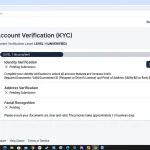
Account verification is a separate matter. Online casinos commonly ask customers to complete Know Your Customer checks before they can carry out financial transactions. These checks concern identity and account verification; they do not turn an otherwise prohibited service into a permitted one. Nor does the choice of cryptocurrency remove the distinction between verifying a customer and establishing the legal status of the operator’s service.
That separation can be easy to miss when Tether is presented as the defining feature of a casino. Searches for a casino accepting Tether, or for an online casino where Tether is available, tend to collapse several questions into one: whether a payment method is listed, whether an account can be verified, and whether casino games may be offered to people in Australia. Those questions do not answer one another. A completed identity check is not regulatory approval, and a cryptocurrency option is not a legal exemption.
The Act’s focus is the operator’s provision of online casino games, rather than the branding around the payment route. Calling a service a tether casino, a live casino or an online pokies site does not change the substance of the offer. The relevant legal context remains the same: operators are prohibited from offering online casino games to Australian residents, and ACMA is responsible for enforcing the Act.
This is why availability claims should be read narrowly. A website may describe what it says it offers, but that description is not a ruling on Australian legality. Likewise, KYC is an account procedure, not a certificate that the service is lawful. The terminology can be reassuringly technical. The distinction is plain.
Casinos That Accept Neosurf in Australia: What’s Verified
Slots and Bonus Claims: What Can Be Substantiated
Offers described as a welcome bonus, a deposit bonus or a no-deposit bonus belong to the language of promotion. Add tether to the wording and it can sound as though a payment method itself carries a special offer. It does not establish the terms of any promotion, or even that a particular service makes one available to people in Australia.
The same distinction applies to searches for games built around tether, including video slots or free-play versions. A label can join a familiar game format to a cryptocurrency and make the combination seem settled. But a payment option and a game catalogue are separate matters. Neither the wording of an offer nor the presence of a digital currency in promotional copy proves what a service provides.
That separation matters because bonuses are not merely decorative. Their conditions shape how money may be deposited, used and withdrawn, and promotional language can make an offer look simpler than its underlying rules. Without established terms, claims about the best bonus, a free offer or a welcome package cannot be treated as reliable descriptions. Ranking such claims would lend them a certainty they do not possess.
Casinos That Accept MiFinity in Australia: What to Know
There is also a prior question in Australia, one that a bonus cannot answer. Under the Interactive Gambling Act 2001, operators may not provide online casino games to people in Australia. The rule covers the service being offered, not just the payment rail or the wording attached to a promotion. A tether deposit does not turn a prohibited casino service into a permitted one.
The law’s focus is on operators. It does not expressly make an individual’s use of an offshore site a criminal offence. That distinction is not an endorsement, nor does it make promotional claims dependable. Australian consumer law does not protect players using offshore casinos, leaving a substantial gap between the polished language of an offer and the protections available if a dispute arises.
Bonus copy is designed to catch the eye; legal status is less theatrical. Yet the latter determines whether an operator may offer the underlying casino service in Australia. For anyone assessing claims about tether-linked games or offers, the promotion cannot be read apart from that framework. A bonus headline does not change the law.
Attention: Australian consumer law does not protect players who use offshore casinos, creating a gap between promotional offers and actual legal protections.
Casino Games and Tether: Payment Does Not Verify the Game
A payment method and a game catalogue answer different questions. A cashier may describe how funds are handled; it does not, by itself, establish what entertainment a service provides or whether a particular game can be funded in tether. Treating those claims as interchangeable turns a payment label into evidence it cannot supply.
The distinction matters because cryptocurrency transactions are often described in broad terms. Bitcoin and Ethereum, for instance, are reported to allow instant deposits and withdrawals with limited or no fees. Those characteristics belong to those currencies as described; they do not establish the conditions for USDT, nor do they identify any games connected to a particular payment option. Speed is not an inventory.
A phrase such as “play casino games with tether” can therefore conceal two separate claims: that a service accepts tether, and that it offers particular games to a particular customer. Neither follows automatically from the other. Even where a payment method appears in a cashier, that detail cannot establish the content of a game catalogue or the terms attached to an individual game. Payment evidence does not travel that far.
This is a familiar confusion in digital commerce. The checkout page is visible and concrete; the service behind it is more complicated. A list of payment methods can make an operator appear legible, while leaving unanswered what is offered, to whom, and under which conditions. A token symbol is not a catalogue. Nor is a general statement about cryptocurrency speed proof of how a game works.
The Australian setting adds a more consequential boundary. Under the Interactive Gambling Act 2001, operators may not provide real-money online casino games to people physically located in Australia. That restriction covers online casino-style games, including blackjack, roulette, poker and pokies. A payment method does not alter the legal character of the service being paid for. It cannot make a prohibited offering permissible, or convert a payment description into evidence that the underlying service is lawful.
Casinos That Accept Litecoin in Australia: What’s Verifiable
That distinction also explains why claims about a tether casino game should be read as claims, not as confirmation. The presence of USDT in payment language says nothing reliable about the game itself. A transaction can be described independently of the activity it might finance; the two are not interchangeable pieces of information.
The machinery of payment is often easier to describe than the product attached to it. That is precisely why the distinction deserves to remain visible. A currency label can tell less than it seems.
TRC20 and the Missing Network-Specific Evidence
TRC20 can appear in descriptions of USDT payments as though the network label settles the practical questions. It does not. A reference to tether, or to a casino handling USDT, cannot by itself establish that a particular service supports TRC20, what a transfer costs, or how long it takes to confirm.
Those details belong to a specific payment route, not to cryptocurrency in the abstract. The reported general advantage of some cryptocurrency transactions is that Bitcoin and Ethereum deposits and withdrawals can be instant and carry limited or no fees. That information does not describe tether, and it does not establish the conditions of any USDT network. Extending it to TRC20 would turn one broad observation into a specific payment claim.
The distinction matters because a payment method is not a single, uniform pipe. Network support, processing arrangements and the terms attached to a transaction can differ. A claim that a service accepts USDT still leaves open which network it accepts, whether deposits and withdrawals follow the same route, and what charges or waiting periods apply. Without those particulars, “fast” and “low-cost” are impressions, not usable terms.
That makes descriptions of an Australian tether casino especially difficult to interpret. The words may suggest a complete arrangement—USDT accepted, a named network supported, transfers processed on predictable terms—but each part is a separate claim. “TRC20 casino” is not proof of the network’s availability for Australian users, nor does a USDT label establish that a real-money transaction will be accepted or completed. The vocabulary can sound precise while leaving the essential mechanics unstated.
Casinos That Accept PayID in Australia: Legal Context
There is also a social habit at work: technical labels often borrow authority from their exactness. A network name looks like a specification, and a token symbol looks like a promise of compatibility. Yet neither tells the whole story. In payment matters, precision in terminology is not the same as evidence about what happens at the point of transfer.
So the useful distinction is narrow but important. General information about Bitcoin and Ethereum cannot be used as a proxy for USDT; USDT cannot be treated as synonymous with TRC20; and mention of a tether payment option cannot establish its fees or confirmation time. Each link needs its own substantiation. Otherwise, a USDT TRC20 casino claim remains a label rather than a verified description of the payment service.
Australian Residents and Offshore Casino Services
A payment method can make a service appear borderless. The law does not treat it that way. For online casino games, the Australian boundary is drawn around the person being served: the Interactive Gambling Act 2001 makes it unlawful for operators to provide real-money casino games to people located in Australia. An offshore address or a cryptocurrency cashier does not change that rule.
Bitcoin Cash Casinos in Australia: Legal and Payment Guide
The Act is directed at operators, not framed as an explicit criminal offence for an individual who uses an offshore casino. That distinction matters, but it is not an endorsement of the service. Nor does the absence of an explicit player offence turn offshore gambling into a locally protected consumer transaction.
Enforcement sits with the Australian Communications and Media Authority (ACMA), which is responsible for applying the Act. The arrangement reflects a familiar tension in internet regulation: a service may present itself as distant, while the law focuses on the audience it serves. A website’s location, branding or choice of payment rail cannot by itself settle whether its offer complies with Australian law.
The same distinction applies when a site advertises itself as a casino that accepts Tether or USDT. A listed payment option is a claim about how a transaction might be made; it does not establish that the operator may lawfully offer casino games to someone in Australia. Nor does an offshore operator’s willingness to take a deposit create the safeguards attached to a domestic consumer relationship.
Regulatory Enforcement
The Australian Communications and Media Authority (ACMA) is responsible for enforcing the Interactive Gambling Act 2001.
Australian consumer law does not protect players using offshore casinos. If a dispute arises over an account, a payment or a withdrawal, the apparent familiarity of the website is no substitute for local consumer protection. Digital interfaces can look close at hand while the legal remedies remain elsewhere.
That is the jurisdictional point often obscured by the language of global access. A casino may describe its services as available internationally, and a crypto wallet may cross borders with little ceremony. Neither description displaces the Australian rule governing operators who provide online casino games to people in the country.
The distinction is narrow but consequential: the Act prohibits the operator’s offer, while it does not explicitly criminalise the player’s use of an offshore site. That does not make the service lawful for the operator, or protected for the customer. The border remains.
Playing with Tether: The Boundary Between Payment and Access
The idea of playing at a casino with Tether folds two separate questions into one phrase: whether a payment method can move value, and whether an operator may offer casino games to someone in Australia. A cryptocurrency transaction does not answer the second question. Nor does the presence of a digital wallet establish that a particular service, account or game is available.
The general payment picture is sometimes described in appealingly simple terms. Cryptocurrencies such as Bitcoin and Ethereum can provide instant deposits and withdrawals with limited or no fees. That is a broad statement about those currencies, not a guarantee about USDT. It cannot establish how a Tether transfer would be handled by a particular operator, or whether the payment would make any service accessible. Payment and access remain distinct.
Casinos That Accept Apple Pay in Australia: Evidence
The distinction matters because digital money can make the movement of funds seem detached from the institutions and borders that govern other transactions. Yet a coin’s transfer speed does not alter the legal character of the activity being funded. Technology may change the route a payment takes; it does not, by itself, change what an operator is permitted to provide.
Under the Interactive Gambling Act 2001, operators are prohibited from offering online casino games to Australian residents. The restriction concerns the provision of the games, not the branding of the deposit method. Calling a service a Tether casino, or describing play as being funded with Tether, does not create an exception to that rule.
The law does not explicitly criminalise players who use offshore sites. That distinction should not be mistaken for official approval or a promise that an overseas service will be available. It describes where the prohibition falls: on operators offering the service to people in Australia. The payment rail does not redraw that boundary.
Searches for playing casino games using Tether can therefore point to a practical interest in cryptocurrency, but they cannot establish that a person can lawfully access an online casino in Australia. Likewise, the phrase “no-KYC” does not demonstrate that an account can be opened or used without checks. A label is not an access decision.
There is a certain modern neatness to the idea that a different currency might make an old restriction disappear. It does not. A payment method can be relevant to how a transaction is made, while remaining irrelevant to whether the underlying service may be offered. The distinction is less convenient than the slogan. It is also the important one.
Live Dealers, Crypto Payments and What Remains Unverified
“Live dealer” describes a style of casino service in which a human dealer presents a game through a video stream. That label says something about the format, not about how a deposit is made. A platform’s use of live video would not, by itself, establish that it accepts Tether, processes USDT on a particular network or permits any particular payment transaction.
CashToCode Casinos in Australia: Acceptance Checks
The distinction matters because payment claims can travel further than their evidence. Bitcoin and Ethereum are reported to allow deposits and withdrawals instantly, with limited or no fees. Those general characteristics do not establish the same timing or charges for Tether, still less for a live-dealer service using it. Nor do they establish that such a service is available to people in Australia. A crypto label is not a service description.
There is a separate question that no cashier can settle. Under the Interactive Gambling Act 2001, operators may not provide online casino games to people physically in Australia. The prohibition concerns the service offered, whether its tables are presented by a live dealer or through another format. The Act does not explicitly make players’ use of offshore sites a criminal offence; that does not turn an operator’s prohibited offer into a lawful one.
Australian consumer law does not protect players who use offshore casinos. That absence of protection is especially relevant when a service is described in broad terms but its operator, payment arrangements and practical availability are unclear. A stream may suggest immediacy and presence; it cannot supply the legal standing or consumer safeguards that the format itself does not provide.
The result is a narrow but important boundary. General information about some cryptocurrencies can describe how those assets may move. It cannot verify a Tether-accepting live-dealer platform, its tables, its game catalogue or its transaction conditions. The screen and the cashier answer different questions. Neither changes the law governing casino services offered in Australia.
Casinos That Accept Google Pay in Australia: What to Know
Tether Deposits and Withdrawals: Timing, Fees and Verification Limits
A payment method’s name can make a transaction sound more settled than it is. Tether may be discussed alongside other cryptocurrencies, but that does not make their processing terms interchangeable. General information about Bitcoin and Ethereum describes deposits and withdrawals as potentially immediate, with fees that may be low or absent. Those characteristics do not establish how a casino handles USDT.
For a tether deposit, the relevant details would be the operator’s own terms: whether it accepts USDT, what charges apply, and how long a transfer takes to appear in an account. The same distinction matters on withdrawal. A phrase such as “instant withdrawal” describes a claim, not a dependable timetable; without specific terms, it cannot establish when funds would be released or what costs might be deducted. Limits are also separate conditions, not something that can be inferred from the currency alone.
This is why a general statement about cryptocurrency speed cannot substantiate a tether casino fast withdrawal, or confirm that any particular casino offers one. Nor does the possibility of low fees for Bitcoin or Ethereum establish fee-free USDT transactions. Payment labels are not processing policies.
There is another step that sits outside the payment network. Online casinos commonly require customers to pass a Know Your Customer assessment before they can carry out financial transactions. That account check concerns identity and eligibility within the operator’s process; it is not a property of tether and does not make a transfer faster or cheaper. A deposit method and an account-verification procedure answer different questions.
The practical distinction is easy to lose in language that bundles acceptance, speed and withdrawal into one promise. A site might describe a deposit option without establishing the terms for cashing out; a general cryptocurrency claim cannot fill that gap. The same caution applies to searches for a tether casino deposit or withdrawal: those phrases alone confirm no operator, timing, charge or limit.
No shortcut in the wording.
What are the deposit and withdrawal limits at the best Amex casinos?
Limits are set by each casino and can vary. Check the casino’s cashier for its current Amex deposit and withdrawal limits.
Which online casinos accept American Express for deposits?
Jackpot City Casino, Spin Palace, Ruby Fortune, Ignition Casino, Joe Fortune, and PlayAmo are listed as supporting Amex deposits for Australian players.
Can I withdraw winnings directly to my American Express card?
Some casinos allow Amex withdrawals, but others do not; a prior Amex deposit is required where withdrawals to the card are supported.
Are there any fees for depositing with American Express?
Amex deposits are typically free, but a casino may add a 1.5% surcharge, and a 3% currency conversion fee may apply.
Are there fees for using Amex at online casinos?
Deposits typically have no fee, although a casino may charge a 1.5% surcharge and currency conversion may cost 3%. Withdrawal fees may also apply.
What should I do if my American Express deposit is declined?
Check with American Express or your bank, as they may block gambling payments to a particular website.
How can I know if an online casino will accept American Express?
Check the casino’s cashier for American Express as a deposit option, and confirm the payment terms before submitting a deposit.
AUD Banking and Payment Options at Roby Casino Australia

AUD Deposit Options at Roby Casino Australia
Roby supports several deposit categories that are relevant to Australian players: Visa, Mastercard, Skrill, Neteller,...
AUD Withdrawal Limits and Times at Roby Casino Australia
Roby supports several payment categories that can be relevant to withdrawals, including cards, e-wallets, bank...

$1 Minimum Deposit Casinos in Australia: What to Know
A casino’s stated minimum may differ from a payment method’s floor or the amount needed...

$1 Minimum Deposit Pokies in Australia: How It Works
A casino’s stated minimum is only one part of the transaction; the payment route may...

$10 Minimum Deposit Casinos in Australia: How It Works
The amount accepted depends on both the casino cashier and payment route, while costs and...

$10 Minimum Deposit Pokies in Australia: What It Means
A site's stated minimum may differ from what its card processor, wallet or other payment...

$2 Minimum Deposit Casinos in Australia: What to Know
A low operator threshold may not survive the payment chain, where processors can set a...

$20 Minimum Deposit Casinos in Australia
Australian casino deposit minimums can depend on the operator’s terms or on the payment method...

$20 Minimum Deposit Pokies in Australia: What It Means
A displayed minimum may come from a payment provider rather than the operator, and the...

$5 Minimum Deposit Casinos in Australia: Payment Rules
The amount accepted by an operator can differ from the minimum transaction required by the...

$5 Minimum Deposit Pokies in Australia: What It Means
The operator’s stated floor can differ from the minimum accepted by a payment method, while...

Anonymous crypto casinos in Australia: risks and tax
Bitcoin can ease casino payments, but anonymity, withdrawals, tax treatment and Australian access all have...

Aristocrat Online Pokies in Australia: What to Know
The search phrase does not verify a game's maker or availability, and Australian rules set...

Aussie Crypto Casinos: Rules, Risks and Payments
Australia’s rules distinguish domestic wagering from online casino services, leaving offshore crypto platforms outside the...

New Australian Online Pokies: Games and Risks
A closer look at how release labels, free-play modes, account access and bonus terms shape...

Online casino payment methods for Australians
See how PayID, transfers, vouchers and mobile wallets differ across deposits, withdrawals, processing delays and...

Best-Paying Online Pokies in Australia: Bitcoin Guide
A practical look at Bitcoin payments, payout claims, bonus conditions and the limits of Australian...

Bitcoin Pokies Australia: How Payments Work
Bitcoin changes how an account is funded, not the pokies themselves; free-play credits and real-money...

Casino Sites That Accept Amex in Australia
Acceptance can differ between operators, while deposit conditions, withdrawal eligibility and payment costs depend on...

Casino Sites That Accept BPAY in Australia: What’s Known
BPAY availability and withdrawal terms need confirmation; Australian-facing language does not make offshore casino games...

Casino Sites That Accept Credit Cards in Australia
Australia’s rules apply before the cashier, while card acceptance, issuer checks and withdrawal support vary...

EcoPayz Casinos in Australia: What Is Verified
The evidence distinguishes payment acceptance from legality and explains why no verified EcoPayz deposit or...

Casino Sites That Accept Osko in Australia: What’s Known
Australian payment habits may make Osko familiar, but they do not confirm that a casino...

Casino Sites That Accept Paysafecard in Australia
Paysafecard availability does not establish that an offshore casino offer is lawful or that a...

Casino Sites That Accept Skrill in Australia Explained
Skrill availability can describe a cashier option, but it does not establish that an online...

Trustly Casino Sites in Australia: What Is Known
The Interactive Gambling Act 2001 prohibits operators from providing real-money online casino games to people...

Under an Hour Casino Withdrawals in Australia Explained
Withdrawal estimates depend on when the operator’s review ends and when the payment channel begins...

No-ID Verification for Casino Withdrawals in Australia
Identity checks remain part of withdrawal processing, while payment methods and bonus conditions can affect...

Casinos That Accept Apple Pay in Australia: Evidence
Mobile-wallet availability in everyday Australian payments does not establish that an online casino supports Apple...

Casinos That Accept Bitcoin in Australia: Payments
Bitcoin changes how funds move, while operator procedures still govern accounts, disputes and the terms...

Bitcoin Cash Casinos in Australia: Legal and Payment Guide
Australian law bars operators from offering online casino games locally; this guide also covers offshore...

CashToCode Casinos in Australia: Acceptance Checks
A payment option listed online does not establish that a casino accepts CashToCode for Australian...

Casinos That Accept Ethereum in Australia
Ethereum is a possible transaction method, but its availability does not establish which games a...

Casinos That Accept Google Pay in Australia: What to Know
Australian law prohibits operators from offering real-money online casino games to people in Australia, and...

Casinos That Accept Litecoin in Australia: What’s Verifiable
The page distinguishes cryptocurrency payment language from evidence of Australian availability, cashier support, or specific...

Casinos That Accept Mastercard in Australia: Legal Limits
A card option at the cashier does not establish legality, and the route used for...

Casinos That Accept MiFinity in Australia: What to Know
Familiar Australian payment options do not show whether an individual casino supports MiFinity or how...

Casinos That Accept Neosurf in Australia: What’s Verified
Neosurf payment claims, casino services and Australian gambling rules are distinct issues that require separate...

Casinos That Accept Neteller in Australia: What to Check
Neteller availability does not establish that an offshore casino may serve Australians or that deposits,...

Casinos That Accept PayID in Australia: Legal Context
Payment availability can explain a cashier’s options, but it cannot establish whether an offshore casino...

Casinos that accept PayPal in Australia: key facts
The article separates everyday payment familiarity from casino cashier availability and examines the limits of...

Casinos That Accept POLi in Australia: What to Know
A POLi label alone does not establish that an online casino can lawfully serve Australians...

Casinos That Accept Visa in Australia: Key Details
Visa availability varies by operator and card, while deposits, withdrawals and legal context remain separate...

Dragon Link Online Pokies in Australia: What Search Shows
The name alone does not establish a particular machine, an online version or availability to...

Easy Withdrawal Casinos in Australia: How Payouts Work
Withdrawal timing depends on operator review and fund release as well as the payment method’s...

Fast Casino Withdrawals in Australia: Payment Routes
Payment networks, casino approval, verification and terms all affect timing, while Australian law limits the...

Instant Bank Transfer Casinos in Australia: How They Work
Banking labels can cover different payment flows, and a deposit method may not be available...

Instant PayID Withdrawals for Real Money in Australia
PayID can move released funds through Australia's NPP, but it cannot determine when an operator...

Instant PayID Withdrawals in Australia: What to Know
PayID can move funds quickly after release, but casino checks, account verification and withdrawal terms...

Low deposit online casinos in Australia: payment limits
A low operator minimum does not guarantee a payment will go through, since the chosen...

New PayID Pokies in Australia: Payments and Checks
PayID can route quick bank transfers, but cashier details, bank limits, delays and bonus terms...

No-KYC Casino Australia: Crypto Payments Explained
A practical look at crypto and PayID payments, identity checks, and the conditions that can...

No Minimum Deposit Casinos in Australia: Payment Limits
The operator’s deposit rule is only one part of the chain; payment providers and purchase...

Online pokies instant withdrawals in Australia
A withdrawal request, operator approval and payment release are separate stages, so transfer speed alone...

Online pokies and PayID in Australia: what to know
PayID can move funds quickly, but cashier confirmation, bank limits, withdrawal checks and wagering terms...

Pay by Phone Casinos Australia: PayID and Bills
PayID can use a mobile number to identify a bank account, but the funds come...

Quick Casino Withdrawals in Australia: How Payouts Work
Payout timing depends on more than the payment method, while Australia's legal position on online...

Real cash online pokies in Australia: law and Bitcoin
A guide to Australia's restrictions on online pokies and the practical trade-offs of using Bitcoin...

Safe online pokies in Australia: legal and payment risks
The guide examines Australian legal limits, offshore operators, Bitcoin payment points, verification and bonus terms...

Same-Day Payout Casinos in Australia: How It Works
A withdrawal estimate can cover operator checks, the payment route, or both, so the stages...

Solana Casino Comparison for Australia
The guide separates Australian law on offshore operators from token transfers, bonus terms, cash-outs and...