Pay by Phone Casinos Australia: PayID and Bills
 Available in AU

PayID can use a mobile number to identify a bank account, but the funds come from that account, not a phone bill.
Table of Contents
- A Phone in the Payment Flow, Not Necessarily on the Bill
- What a PayID Deposit Needs to Reach the Account
- The Payment Rail Is Faster Than the Casino’s Review
- Bonus Terms Before the Deposit
- No-Wagering Claims Need Their Own Fine Print
- BetStop, Bill Payments and the Limits of What Can Be Confirmed
- Casino Games Are Not Payment Methods
- Why PayID Is an Australian-Specific Route
- Credit Is Not the Same as a Mobile Payment
- Free Spins and Credit Offers Without Invented Promises
A Phone in the Payment Flow, Not Necessarily on the Bill
“Pay by phone” can describe two different arrangements. In one, a phone is simply the screen used to make a payment from a bank account. In the other, a charge is added to a mobile-phone bill or deducted from prepaid phone credit. The device may be the same; the payment route is not.
PayID belongs to the first category. It is a service operating through Australia’s New Payments Platform (NPP), which lets people send and receive money using an identifier such as a mobile number or email address. A mobile number in this system identifies a bank account for a transfer. It does not turn the amount into a charge from a telecommunications provider.
That distinction gets blurred in the wording of searches for online casinos paid through a phone bill. “Mobile” can refer to the device, the account identifier, or the source of funds. Only the first two describe how PayID may be used. A payment confirmed in a banking app still comes from the linked bank account; it is not added to the monthly phone bill.
Choosing a casino that supports phone-based payments can depend on the payment options, minimum deposits, and payout information available. This list highlights the details provided for each operator to help you assess which ones may suit your needs in Australia.
1. SpinsUp
License: Curacao Gaming Control Board OGL/2023/174/0082 (Dama N.V.) SpinsUp is listed with a Curacao Gaming Control Board licence, OGL/2023/174/0082, held by Dama N.V.
2. Bizzo Casino
License: Curacao Gaming Control Board (TechSolutions Group N.V.) Bizzo Casino is listed with a Curacao Gaming Control Board licence, with TechSolutions Group N.V. named as the licensee.
3. WinSpirit Casino
License: Curacao eGaming OGL/2024/923/0383 (Antillephone N.V.) · Min. deposit: A$30 WinSpirit Casino is listed with a Curacao eGaming licence, OGL/2024/923/0383, held by Antillephone N.V. Its minimum deposit is A$30.
4. DragonSlots Casino
License: Curacao Gaming Authority (Jumpman Gaming Ltd) DragonSlots Casino is listed with a Curacao Gaming Authority licence, with Jumpman Gaming Ltd named as the licensee.
5. Roby Casino
License: Curacao eGaming (Roby Games Ltd) Roby Casino is listed with a Curacao eGaming licence held by Roby Games Ltd.
6. LevelUp Casino
License: Curacao eGaming OGL/2023/174/0082 (Dama N.V.) · Min. deposit: A$15 LevelUp Casino is listed with a Curacao eGaming licence, OGL/2023/174/0082, held by Dama N.V. Its minimum deposit is A$15.
7. Lucky Dreams
License: Curacao · Min. deposit: A$20 (POLi) Lucky Dreams has a listed minimum deposit of A$20 when using POLi, a payment option relevant to phone-based deposits.
8. Ricky Casino
Payout speed: crypto under 1 hour, PayID 1-3 business days · Min. deposit: A$20 (A$30 to qualify for the bonus) Ricky Casino lists a minimum deposit of A$20, or A$30 to qualify for the bonus. Its stated payout times are under one hour for crypto and 1–3 business days for PayID.
9. GoldenCrown
License: Curacao Gaming Control Board OGL/2023/176/0095 (Hollycorn N.V.) GoldenCrown is listed with a Curacao Gaming Control Board licence, OGL/2023/176/0095, held by Hollycorn N.V.
10. House of Pokies
License: international iGaming licence – jurisdiction not named in the source · Payout speed: PayID 1-24 hours · Min. deposit: A$30 (PayID from A$10) House of Pokies lists an international iGaming licence, though its jurisdiction is not named in the source. Its PayID payouts are listed at 1–24 hours, with deposits from A$30 generally and from A$10 for PayID.
What a PayID payment involves
The basic sequence is short. A payment page offers PayID; the user selects it and enters a deposit amount. The payment is then confirmed in the player’s banking app. The phone is part of the journey, but the bank account remains the source of the money.
That may sound like a minor distinction, almost a matter of bookkeeping. It is not. A bill-based payment depends on a mobile carrier or billing service accepting the charge and passing it on. A PayID transfer is initiated through a bank. The two routes have different intermediaries, records and account consequences, even when both begin with a tap on a phone.
The identifier itself can add to the confusion. A mobile number used as a PayID is not evidence that the carrier has authorised a purchase. It is a recognised address for routing a bank payment. The same goes for an email address: it can direct a transfer without becoming the account from which the funds are taken.
The word “casino” in a payment description does not settle the legal question either. In Australia, the Interactive Gambling Act 2001 prohibits operators from providing real-money online casino games to people located in the country. That prohibition covers casino-style offerings such as slots, poker and table games. A payment mechanism does not change what the service is, or make its provision lawful. Dry distinctions, with serious consequences.
Bitcoin Pokies Australia: How Payments Work
For that reason, a description of PayID’s mechanics should not be mistaken for a recommendation to deposit with an online casino. Nor does the fact that a payment could be initiated on a phone establish that a phone-bill option exists. A bill charge and a bank transfer are separate methods, and the latter cannot be used as proof of the former.
The phrase “pay by phone” is therefore incomplete without asking what the phone is doing. If it opens a banking app and confirms a PayID transfer, it is acting as the interface to a bank payment. If the amount is placed on a telecommunications bill, the carrier-billing route is involved instead. Familiar hardware conceals a different financial arrangement.
This is also why searches for mobile games, pokies or online slots “paid by phone” can mix two questions: whether a game is designed for a phone, and how a payment is funded. A game running on a mobile screen says nothing about whether its payment method is bill-based. And neither a mobile layout nor a payment option removes the Australian legal restriction on operators supplying real-money online casino games.
In practical terms, PayID explains one meaning of paying by phone: using a banking app to approve a transfer. It does not mean charging a deposit to a phone account. The small wording difference marks a larger divide between a bank payment and a carrier bill—and between describing a payment route and endorsing the service on the other side of it.
Legal Prohibition
Under the Interactive Gambling Act 2001, it is illegal for operators to provide real-money online casino games to people located in Australia.
What a PayID Deposit Needs to Reach the Account
A deposit can leave a bank account successfully and still fail to appear in a casino balance automatically. With PayID, the payment reference may be the small administrative detail separating an automatically matched transfer from one that needs human attention.
Some casino payment instructions require the player’s ID or username in that reference. The casino uses it to associate the incoming payment with an account. If the detail is missing or incorrect, the money may remain pending until support staff can identify it and process it manually. The transfer itself and the account credit are separate steps.
This makes the reference field more than a note. A payment description that looks optional in a banking app may carry information needed on the receiving end. Where instructions specify a player ID or username, leaving it out, substituting a display name, or entering a mistyped version can make the payment harder to match. A unique reference matters for the same reason: it gives the receiving service a clearer clue about which account should be credited.
The minimum deposit is another practical condition, but it is not a universal PayID setting. Casino deposit requirements commonly begin in the AUD 10–20 range. Some services accept a smaller amount through bank transfer, but that does not establish that the same minimum applies to PayID. The payment method and the operator’s own deposit rules both matter; one cannot be inferred from the other.
Aristocrat Online Pokies in Australia: What to Know
A displayed minimum also says nothing about whether a payment will be accepted under every circumstance. The bank sets PayID transaction limits, and those limits vary between banks. Many major Australian banks allow individual PayID payments in the AUD 1,000–5,000 range, with daily limits in the AUD 10,000–20,000 range. These are bank-side ceilings, not casino deposit recommendations or guaranteed limits for every account. A customer’s own bank settings may impose a lower cap.
The distinction matters because a payment can fit the casino’s stated rules and still be blocked or limited by the sending bank. Conversely, a bank’s transaction ceiling does not mean a casino will accept a deposit of that size. Each side has its own conditions: the bank governs what can be sent, while the receiving service sets what it will accept and how it identifies the payment.
The payment flow therefore has several points where details need to agree: the selected amount, the bank’s permitted transaction limit, the recipient details supplied for PayID, and any reference required for account matching. An error in the reference may not reverse the transfer, but it can delay the point at which the balance reflects it. The clerical detail becomes the event.
That is why a payment instruction should be read as a set of matching requirements, not merely as a bank account identifier. The recipient name should match the one presented for the transfer, and the reference should be entered exactly as requested. A correct amount sent with an incomplete reference may still require support processing; an accurate reference cannot make a transaction exceed the bank’s limit.
Do
- Enter the player ID or username in the reference field exactly as requested
- Verify your own bank’s transaction limits
- Match the recipient name to the one presented for the transfer
Don’t
- Leave the reference field empty or use a display name
- Assume the casino’s minimum deposit is a universal PayID setting
- Expect a bank’s transfer ceiling to guarantee casino acceptance
Searches for a casino that accepts deposits by phone often collapse several different questions into one: whether PayID is offered, what the minimum is, and what account information must accompany the transfer. Those are not interchangeable. PayID is initiated through a banking app, but a casino’s deposit threshold belongs to its own rules, while the bank’s transfer cap belongs to the account holder’s bank.
There is also a legal distinction that payment instructions cannot settle. Under Australia’s Interactive Gambling Act 2001, operators may not provide real-money online casino games to people physically located in Australia. The presence of a PayID option, or a stated minimum deposit, does not change that restriction or establish that an online casino service may lawfully be offered to Australian residents.
In practical terms, the reference and the limits are the details that determine whether a proposed payment can be sent and correctly attributed. The bank controls the first boundary; the receiving account’s matching process controls the second. A payment can clear one and still wait at the other.
The Payment Rail Is Faster Than the Casino’s Review
PayID can make a payment feel almost instantaneous, but a fast transfer and a fast casino payout are different events. The first is handled by the banking network; the second depends on the casino’s own review and release process. Treating them as one clock is how a payment method acquires a reputation for delays it may not have caused.
PayID operates through the New Payments Platform (NPP), which moves payments between participating accounts in real time. For a deposit, the transfer is confirmed in the banking app and may reach the casino within seconds—typically three to fifteen seconds once released. That describes the movement of funds, not the time an operator takes to match or approve the payment.
Dragon Link Online Pokies in Australia: What Search Shows
Withdrawals add another party to the process. A casino may need to review a request before sending funds; only after that step does the payment rail carry the transfer onward. The NPP cannot hurry a request that is still waiting in an internal queue. Nor does a rapid network settlement establish that a casino has approved the withdrawal.
A specialist review identifies the casino’s internal withdrawal process as a possible source of delay, rather than PayID itself. That distinction is useful, but it is not a universal timetable: an individual operator’s procedures can change, and a review cannot guarantee how a particular request will be handled. The practical question is therefore not simply whether PayID is fast, but which part of the journey has actually begun.
Two clocks, not one.
The difference matters because payment language often compresses several stages into a single promise. A withdrawal can be submitted, checked, approved, and then sent. “PayID” names the transfer route; it does not tell how long the preceding checks will take. Once a payment is released, the network may settle it in real time. Before release, the casino’s review remains the gate.
The same separation applies to deposits, though the sequence is shorter: funds move through the bank network, while the casino must still recognise the incoming payment and associate it with the correct account. The NPP can deliver a transfer quickly; it cannot resolve an unclear payment reference or complete the casino’s own account handling. Speed at one layer is not a substitute for accuracy at another.
PayID operates through the New Payments Platform (NPP), allowing funds to reach a destination within seconds, but this does not include the time an operator takes to match or approve the payment.
This is why a claim that a payment method is “instant” needs careful reading. It may describe settlement after release, not the full interval from requesting a withdrawal to seeing money in an account. The network’s performance and the operator’s processing are separate facts, and only the first is built into PayID’s real-time design. The second belongs to the operator.
There is also a legal boundary that payment terminology does not erase. Under Australia’s Interactive Gambling Act 2001, operators may not provide real-money online casino games to people physically located in Australia. A banking transfer’s technical capability does not make a prohibited service lawful, and describing a transfer route is not an endorsement of using it for online casino play.
The useful distinction is plain: PayID can move a released payment quickly; it cannot make a casino review disappear. A fast rail, a separate gate.
Bonus Terms Before the Deposit
A deposit bonus is not simply extra money added to an account. It is a set of conditions attached to a promotion, and the headline amount tells little about how much of it can become withdrawable. The terms may govern wagering, bet size, eligible games, expiry and the maximum cash-out. Read together, they define the offer more precisely than its banner does.
CashToCode Casinos in Australia: Acceptance Checks
That distinction matters when payment wording and promotion wording are bundled together. A bonus described alongside PayID or another deposit route is not evidence that a particular payment method makes the offer better, or that the promotion is available on particular terms. Payment and bonus conditions are separate: one concerns moving money; the other determines what restrictions attach to promotional funds.
Start with wagering requirements. These specify what must happen to bonus funds, or to a qualifying deposit and bonus, before a withdrawal can be requested. The exact calculation can vary, so a phrase such as “wagering required” is not enough to assess the burden. The terms need to say which balance is counted and how qualifying play is measured. A large-looking bonus can be less useful than a smaller one if its conditions make the funds difficult to release.
Bet limits deserve equal attention. A promotion may cap the amount allowed on an individual wager while its requirements are being met. Exceeding that limit can affect eligibility or the bonus balance, depending on the stated rules. The practical question is not merely how much can be deposited, but whether the permitted bet size and the wagering conditions can be followed together.
Game weighting changes the calculation again. A promotion may count some games fully, others only partly, or exclude them from qualifying play. That matters particularly when an offer is presented as suitable for pokies: a game category appearing in promotional language does not establish that every game in it contributes equally. The terms, not the label, set the weighting.
Bonus Evaluation
- Wagering requirements determine how difficult it is to release funds
- Bet limits may cap the amount allowed on individual wagers
- Game weighting means not all games contribute equally to requirements
- Expiry periods set a strict deadline for completing conditions
- Maximum cash-out caps limit the total withdrawable winnings
Expiry periods can leave little room for delay. The rules should make clear when the clock begins and what must be completed before the offer expires. A bonus that disappears before its conditions are met may have little practical value, regardless of the amount advertised. Fine print has a calendar.
Maximum cash-out conditions can limit what can be withdrawn from bonus play. A promotion may allow only a capped amount of winnings to be paid out, even where the balance displayed in an account is higher. That ceiling should be considered alongside wagering and game restrictions, not treated as a minor footnote.
A sound comparison therefore has to include the full terms: wagering rules, maximum bet, game weighting, expiry and any cash-out cap. If any of these are unclear, the advertised value cannot be reliably assessed. None of this makes an offer suitable or lawful in Australia. Under the Interactive Gambling Act 2001, providing real-money online casino games to people in Australia is illegal for operators. A polished promotion does not alter that position.
No-Wagering Claims Need Their Own Fine Print
“No wagering” and “no deposit” describe different things. The first appears to concern what must happen before bonus funds or winnings can be withdrawn; the second suggests that an offer can be claimed without making a deposit. Neither phrase, by itself, explains the full set of conditions attached to an offer.
A no-wagering label does not necessarily mean there are no restrictions. Terms may still set a maximum bet, limit which games count, impose an expiry period or cap the amount that can be cashed out. Those details can determine whether a balance has practical value. A bonus may carry no wagering requirement and still be difficult to use as expected.
Casinos That Accept POLi in Australia: What to Know
The same distinction matters for a no-deposit bonus. “No deposit” refers to the deposit requirement, not necessarily to every other condition. Any rules governing eligible games, bet size, expiry or maximum cash-out remain relevant. If a promotion does not state those terms clearly, the headline is not a substitute for them.
The wording can also blur payment and bonus questions. A phone may be involved in accessing an account or using a banking app, while the offer itself has separate rules. A claim about phone-based play does not establish that a bonus is genuinely wager-free, nor does “no deposit” establish that a mobile bill is being charged. Different claims need different evidence.
There is a more fundamental limit in Australia. The Interactive Gambling Act 2001 prohibits operators from providing real-money online casino games to people located in the country. That prohibition covers casino-style games such as slots, poker and table games; a bonus label does not change the nature of the service. Advertising real-money online casino services to Australian audiences is also prohibited. Fine print cannot turn a prohibited service into an authorised one.
So a “no-wagering” promise is not a general assurance of unrestricted cash-out, and a “no-deposit” promise is not proof that an offer has no conditions. The useful distinction is between the marketing label and the rules attached to it. A promotion’s wording cannot answer for terms it does not disclose.
A neat label. Not the whole bargain.
Attention: A "no-wagering" or "no-deposit" label does not mean an offer is free of all restrictions, such as maximum bets, expiry dates, or cash-out caps.
BetStop, Bill Payments and the Limits of What Can Be Confirmed
A question about whether an online casino is “not on BetStop” is different from a question about how a deposit is paid. The wording can make them sound like two settings on the same service: one about access, the other about the phone bill. They are not. No reliable conclusion about an operator’s BetStop status follows from the fact that it accepts PayID, and no operator’s status should be inferred from a payment label.
The legal position matters more than the label. Under the Interactive Gambling Act 2001, it is illegal for operators to provide real-money online casino games, including slots and table games, to people physically in Australia. A phrase such as “real-money casino by phone bill” does not change what the service is or how the law treats it.
Nor does “pay by phone” necessarily mean a charge added to a mobile account. PayID is initiated through a banking app; that is distinct from carrier billing and from a payment service such as Boku. A reference to a phone bill, therefore, is not evidence that a deposit can be charged to the bill. It is also not evidence that a casino accepts PayID. The payment route has to be identified on its own terms, without turning a search label into a confirmed feature.
The same caution applies to searches combining phone-bill payments with bingo, slots, or a no-deposit offer. Those phrases bundle together a payment mechanism, games, and promotion conditions. None establishes that the service is available, lawful for an operator to provide in Australia, or associated with any particular BetStop status. A payment description cannot settle those separate questions.
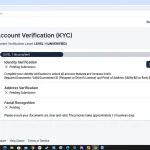
There is a practical point about withdrawals that should not be lost amid the labels. A specialist review notes that identity checks are commonly required before a first withdrawal, and that completing them early can help prevent paperwork from holding up a request. This is a procedural observation, not a promise about any particular operator or payout. KYC verification and payment processing are separate stages; finishing one does not establish anything about the other.
The distinctions are plain, if not especially convenient: BetStop status is not a payment method, a phone bill is not PayID, and a deposit option does not validate the service behind it. In Australia, the underlying legal restriction on operators remains the governing fact. A familiar payment phrase cannot make that restriction disappear.
Casino Games Are Not Payment Methods
A phone can be involved in making a deposit without determining which games are available. Searches for casino games or pokies “paid for by phone” can blur two separate questions: how money is sent and what a gambling service offers. A payment label cannot establish that a particular game accepts a particular deposit method, or that a site is lawful to use in Australia.
That distinction matters here. Under the Interactive Gambling Act 2001, operators cannot provide real-money online casino games to people physically in Australia. The prohibition covers casino-style games such as pokies, poker, blackjack and roulette. Advertising real-money online casinos to Australian audiences is also prohibited. A page describing phone deposits or displaying a game catalogue does not change that legal position.
Legal status of casino games in Australia
Under the Interactive Gambling Act 2001, operators are prohibited from providing real-money online casino games—including pokies, poker, blackjack, and roulette—to people physically located in Australia.
Nor does a reference to “phone slots” identify a special kind of pokies. It may simply join a device with a game category, while leaving the actual payment arrangement unspecified. Payment information concerns the deposit channel; game information concerns the activity offered. Neither proves the other. A deposit method is not a passport.
The same caution applies to a casino bonus associated with a phone payment. The phrase alone says nothing reliable about which games qualify, whether a particular deposit method is accepted, or what conditions govern the offer. Those details belong to the terms attached to the promotion, not to the device used to access a page. A bonus heading is not its fine print.
Geography can make the wording less dependable still. A reference to German casinos belongs to a different market context and cannot establish what is available or lawful in Australia. Names, payment labels and promotional language travel easily across borders; regulatory permissions do not.
The useful boundary is plain: information about a payment method cannot verify game compatibility, and a game listing cannot verify that the underlying service may be offered to Australians. In this market, the legal restriction is not a footnote to the catalogue. It changes what the catalogue means.
Why PayID Is an Australian-Specific Route
PayID belongs to Australia’s banking infrastructure, not to a universal category of “phone payments”. It operates through the New Payments Platform (NPP), the system used for real-time transfers between participating Australian bank accounts. Instead of relying on a conventional account number as the identifier, a payment can be directed using a PayID such as a mobile number or email address.
That distinction matters when a phone appears in a payment description. A mobile number can identify the destination for a bank transfer; it does not, by itself, mean that the amount is added to a phone bill. Nor does the presence of PayID on an Australian payment page establish that the same route exists in another country. The infrastructure is local in a practical sense: it is built around Australian banking and accounts connected to that system.
The words “pay by phone” travel more easily than the payment rails themselves. A person comparing mobile payments in Germany, or looking at an operator based in Curaçao, may encounter the same phrase but a different banking system, different payment options and different legal setting. PayID should not be treated as a generic international method or as evidence that a particular casino accepts deposits from every country. It is an Australian-specific mechanism for sending and receiving money through the NPP.
There is also a more consequential boundary. Australian law prohibits operators from providing real-money online casino games, including pokies, to people physically located in Australia. Payment terminology does not change that rule. A reference to PayID on an offshore site is not a signal that the service is lawful for Australian customers, nor does a phone-based payment description turn an overseas casino into an Australian one.
New Payments Platform (NPP)
Australia’s banking infrastructure that enables real-time transfers between participating accounts using identifiers like PayID instead of traditional account numbers.
In this context, PayID names a piece of Australian banking infrastructure, not a promise about casino access. Its identifier may be a phone number. The payment itself remains a bank transfer. The geography matters.
Credit Is Not the Same as a Mobile Payment
A payment made on a phone can involve very different sources of money. With PayID, the phone may be the screen used to approve a transfer in a banking app; it does not turn the transfer into a charge on a mobile bill, nor does it make the payment a credit-card transaction. PayID operates through the New Payments Platform, using an identifier such as a mobile number or email address to send or receive money.
Credit is a separate question. A card logo on a payment page does not establish that a credit-card payment for online gambling is available or lawful in Australia. The distinction matters because the Interactive Gambling Act 2001 prohibits operators from providing real-money online casino games, including pokies, to people physically in Australia. The law is directed at operators, not a licence for a payment label to blur what the transaction is.
Searches framed around paying by phone with credit, or around services such as Boku, may reflect arrangements encountered in other countries. They do not establish an Australian payment route. Nor does a European or Irish casino’s payment menu describe what can be offered to people in Australia. Geography is not a footnote here; it changes the legal setting.
The phrase “pay by phone” can therefore conceal a category error. A banking app may be opened on a handset, while the money still moves through PayID from a bank account. A credit product, a mobile-account charge and a bank transfer are not interchangeable merely because each can be initiated on a phone.
That distinction is especially important where a page presents payment symbols without explaining the transaction behind them. A card being accepted for some purpose does not prove that credit is accepted for gambling, and a phone number used as a PayID identifier does not mean the mobile carrier is billing the payment. Labels are cheap. The payment rail is the substance.
Free Spins and Credit Offers Without Invented Promises
Free spins sound like play without a price; “credit” sounds like money already placed on the table. Neither phrase, by itself, explains what can be withdrawn or what conditions attach to an offer. The language is designed to feel simple. The terms rarely are.
For people in Australia, there is a more basic distinction: under the Interactive Gambling Act 2001, operators may not provide real-money online casino games, including pokies, to people physically located in the country. A promotional label does not change that legal position, nor does it establish that an offer is available or suitable.
Where an offer is described as free spins or bonus credit, its practical value depends on the conditions, not the headline. Wagering requirements can determine how much play is required before winnings become withdrawable. Maximum bet rules may restrict how spins or credit can be used. Game weighting can mean that some play contributes less towards those requirements than other play. Time limits can leave too little time to complete them, while a maximum cash-out can cap the amount that may be taken away.
These details matter even when the initial balance appears to cost nothing. “Free” describes the entry point, not necessarily the route from a promotional balance to cash. Credit is similarly a label, not a promise of withdrawable funds.
Promotional claims should therefore be read as conditional statements, with the wagering, bet, game, expiry and cash-out rules treated as part of the offer itself. A generous-sounding number cannot stand in for those terms. The fine print is the actual offer.
What are the minimum and maximum deposit limits at PayID casinos?
PayID casino deposits commonly start at AUD 10–20. The maximum depends on both the casino’s rules and your bank’s limits; major Australian banks commonly allow AUD 1,000–5,000 per transaction, with daily limits of AUD 10,000–20,000.
How long do PayID deposits take?
PayID deposits typically reach the casino within 3–15 seconds. A missing or incorrect player ID in the payment reference can delay account crediting while the payment is matched manually.
Can you withdraw casino winnings using PayID?
Yes, PayID withdrawals may be available, though operators may require withdrawals to use the deposit method where possible. After casino approval, a PayID payout can arrive within minutes to hours.
Which banks support PayID?
Most major Australian banks support PayID. Transaction limits vary by bank and account.
How long do withdrawals take?
For verified accounts, top-rated PayID casinos typically review and approve withdrawals within 2–6 hours. After approval, PayID withdrawals may arrive within minutes to hours, while bank transfers and card withdrawals often take one to five business days.
AUD Banking and Payment Options at Roby Casino Australia

AUD Deposit Options at Roby Casino Australia
Roby supports several deposit categories that are relevant to Australian players: Visa, Mastercard, Skrill, Neteller,...

AUD Withdrawal Limits and Times at Roby Casino Australia
Roby supports several payment categories that can be relevant to withdrawals, including cards, e-wallets, bank...

$1 Minimum Deposit Casinos in Australia: What to Know
A casino’s stated minimum may differ from a payment method’s floor or the amount needed...

$1 Minimum Deposit Pokies in Australia: How It Works
A casino’s stated minimum is only one part of the transaction; the payment route may...

$10 Minimum Deposit Casinos in Australia: How It Works
The amount accepted depends on both the casino cashier and payment route, while costs and...

$10 Minimum Deposit Pokies in Australia: What It Means
A site's stated minimum may differ from what its card processor, wallet or other payment...

$2 Minimum Deposit Casinos in Australia: What to Know
A low operator threshold may not survive the payment chain, where processors can set a...

$20 Minimum Deposit Casinos in Australia
Australian casino deposit minimums can depend on the operator’s terms or on the payment method...

$20 Minimum Deposit Pokies in Australia: What It Means
A displayed minimum may come from a payment provider rather than the operator, and the...

$5 Minimum Deposit Casinos in Australia: Payment Rules
The amount accepted by an operator can differ from the minimum transaction required by the...

$5 Minimum Deposit Pokies in Australia: What It Means
The operator’s stated floor can differ from the minimum accepted by a payment method, while...

Anonymous crypto casinos in Australia: risks and tax
Bitcoin can ease casino payments, but anonymity, withdrawals, tax treatment and Australian access all have...

Aristocrat Online Pokies in Australia: What to Know
The search phrase does not verify a game's maker or availability, and Australian rules set...

Aussie Crypto Casinos: Rules, Risks and Payments
Australia’s rules distinguish domestic wagering from online casino services, leaving offshore crypto platforms outside the...

New Australian Online Pokies: Games and Risks
A closer look at how release labels, free-play modes, account access and bonus terms shape...

Online casino payment methods for Australians
See how PayID, transfers, vouchers and mobile wallets differ across deposits, withdrawals, processing delays and...

Best-Paying Online Pokies in Australia: Bitcoin Guide
A practical look at Bitcoin payments, payout claims, bonus conditions and the limits of Australian...

Bitcoin Pokies Australia: How Payments Work
Bitcoin changes how an account is funded, not the pokies themselves; free-play credits and real-money...

Casino Sites That Accept Amex in Australia
Acceptance can differ between operators, while deposit conditions, withdrawal eligibility and payment costs depend on...

Casino Sites That Accept BPAY in Australia: What’s Known
BPAY availability and withdrawal terms need confirmation; Australian-facing language does not make offshore casino games...

Casino Sites That Accept Credit Cards in Australia
Australia’s rules apply before the cashier, while card acceptance, issuer checks and withdrawal support vary...

EcoPayz Casinos in Australia: What Is Verified
The evidence distinguishes payment acceptance from legality and explains why no verified EcoPayz deposit or...

Casino Sites That Accept Osko in Australia: What’s Known
Australian payment habits may make Osko familiar, but they do not confirm that a casino...

Casino Sites That Accept Paysafecard in Australia
Paysafecard availability does not establish that an offshore casino offer is lawful or that a...

Casino Sites That Accept Skrill in Australia Explained
Skrill availability can describe a cashier option, but it does not establish that an online...

Trustly Casino Sites in Australia: What Is Known
The Interactive Gambling Act 2001 prohibits operators from providing real-money online casino games to people...

Under an Hour Casino Withdrawals in Australia Explained
Withdrawal estimates depend on when the operator’s review ends and when the payment channel begins...

No-ID Verification for Casino Withdrawals in Australia
Identity checks remain part of withdrawal processing, while payment methods and bonus conditions can affect...

Casinos That Accept Apple Pay in Australia: Evidence
Mobile-wallet availability in everyday Australian payments does not establish that an online casino supports Apple...

Casinos That Accept Bitcoin in Australia: Payments
Bitcoin changes how funds move, while operator procedures still govern accounts, disputes and the terms...

Bitcoin Cash Casinos in Australia: Legal and Payment Guide
Australian law bars operators from offering online casino games locally; this guide also covers offshore...

CashToCode Casinos in Australia: Acceptance Checks
A payment option listed online does not establish that a casino accepts CashToCode for Australian...

Casinos That Accept Ethereum in Australia
Ethereum is a possible transaction method, but its availability does not establish which games a...

Casinos That Accept Google Pay in Australia: What to Know
Australian law prohibits operators from offering real-money online casino games to people in Australia, and...

Casinos That Accept Litecoin in Australia: What’s Verifiable
The page distinguishes cryptocurrency payment language from evidence of Australian availability, cashier support, or specific...

Casinos That Accept Mastercard in Australia: Legal Limits
A card option at the cashier does not establish legality, and the route used for...

Casinos That Accept MiFinity in Australia: What to Know
Familiar Australian payment options do not show whether an individual casino supports MiFinity or how...

Casinos That Accept Neosurf in Australia: What’s Verified
Neosurf payment claims, casino services and Australian gambling rules are distinct issues that require separate...

Casinos That Accept Neteller in Australia: What to Check
Neteller availability does not establish that an offshore casino may serve Australians or that deposits,...

Casinos That Accept PayID in Australia: Legal Context
Payment availability can explain a cashier’s options, but it cannot establish whether an offshore casino...

Casinos that accept PayPal in Australia: key facts
The article separates everyday payment familiarity from casino cashier availability and examines the limits of...

Casinos That Accept POLi in Australia: What to Know
A POLi label alone does not establish that an online casino can lawfully serve Australians...

Casinos That Accept Tether USDT in Australia
USDT payment claims do not establish which casinos accept it or verify their networks, games,...

Casinos That Accept Visa in Australia: Key Details
Visa availability varies by operator and card, while deposits, withdrawals and legal context remain separate...

Dragon Link Online Pokies in Australia: What Search Shows
The name alone does not establish a particular machine, an online version or availability to...

Easy Withdrawal Casinos in Australia: How Payouts Work
Withdrawal timing depends on operator review and fund release as well as the payment method’s...

Fast Casino Withdrawals in Australia: Payment Routes
Payment networks, casino approval, verification and terms all affect timing, while Australian law limits the...

Instant Bank Transfer Casinos in Australia: How They Work
Banking labels can cover different payment flows, and a deposit method may not be available...

Instant PayID Withdrawals for Real Money in Australia
PayID can move released funds through Australia's NPP, but it cannot determine when an operator...

Instant PayID Withdrawals in Australia: What to Know
PayID can move funds quickly after release, but casino checks, account verification and withdrawal terms...

Low deposit online casinos in Australia: payment limits
A low operator minimum does not guarantee a payment will go through, since the chosen...

New PayID Pokies in Australia: Payments and Checks
PayID can route quick bank transfers, but cashier details, bank limits, delays and bonus terms...

No-KYC Casino Australia: Crypto Payments Explained
A practical look at crypto and PayID payments, identity checks, and the conditions that can...

No Minimum Deposit Casinos in Australia: Payment Limits
The operator’s deposit rule is only one part of the chain; payment providers and purchase...

Online pokies instant withdrawals in Australia
A withdrawal request, operator approval and payment release are separate stages, so transfer speed alone...

Online pokies and PayID in Australia: what to know
PayID can move funds quickly, but cashier confirmation, bank limits, withdrawal checks and wagering terms...

Quick Casino Withdrawals in Australia: How Payouts Work
Payout timing depends on more than the payment method, while Australia's legal position on online...

Real cash online pokies in Australia: law and Bitcoin
A guide to Australia's restrictions on online pokies and the practical trade-offs of using Bitcoin...

Safe online pokies in Australia: legal and payment risks
The guide examines Australian legal limits, offshore operators, Bitcoin payment points, verification and bonus terms...

Same-Day Payout Casinos in Australia: How It Works
A withdrawal estimate can cover operator checks, the payment route, or both, so the stages...

Solana Casino Comparison for Australia
The guide separates Australian law on offshore operators from token transfers, bonus terms, cash-outs and...