New PayID Pokies in Australia: Payments and Checks
 Available in AU

PayID can route quick bank transfers, but cashier details, bank limits, delays and bonus terms still need separate checks.
Table of Contents
- PayID in Online Pokies: A Payment Rail, Not a Seal of Approval
- How PayID Deposits and Withdrawals Move
- The Australian Context: Fast Transfers, Bank Limits
- Before Using PayID: Cashier Checks and Account Details
- Comparing PayID Options Without a Best-of List
- Real-Money PayID Payments: Minimums, Delays and Bonus Terms
PayID in Online Pokies: A Payment Rail, Not a Seal of Approval
PayID is a way to identify a bank payment using a registered detail such as a mobile number or email address, rather than relying only on account numbers. In Australia, it operates through the New Payments Platform (NPP), which connects participating banks for quick transfers. That makes PayID a payment rail: infrastructure for moving money between accounts. It is not a certificate, regulator or promise about the business appearing beside it.
The distinction matters because payment methods tend to borrow credibility from the institutions that support them. A familiar identifier and a bank interface can make a transaction feel ordinary, even when the service on the other side is anything but. The payment system’s role is narrower. It helps route a transfer; it does not assess an online venue’s legal status, inspect its games or decide whether it will honour a future request for winnings.
In Australia, the legal position on real-money online casino-style services is not ambiguous. Under the Interactive Gambling Act 2001, operators are prohibited from providing online casino games to people physically in Australia. That category includes pokies as well as poker and table games. The law addresses the provision of the service; Australian players do not incur legal liability merely for using an offshore casino. The Australian Communications and Media Authority enforces the rules, and offshore services are subject to active blocking and enforcement.
When looking for new PayID pokies in Australia in 2026, check what is actually stated about licensing and payment options before choosing a site. This list provides a concise reference to the available details for each operator.
1. SpinsUp
License: Curacao Gaming Control Board OGL/2023/174/0082 (Dama N.V.) SpinsUp is listed with a Curacao Gaming Control Board licence, OGL/2023/174/0082, held by Dama N.V. The available details do not specify PayID or deposit terms.
2. Bizzo Casino
License: Curacao Gaming Control Board (TechSolutions Group N.V.) Bizzo Casino is associated with a Curacao Gaming Control Board licence held by TechSolutions Group N.V. No PayID or deposit details are provided here.
3. WinSpirit Casino
License: Curacao eGaming OGL/2024/923/0383 (Antillephone N.V.) · Min. deposit: A$30 WinSpirit Casino is listed with a Curacao eGaming licence, OGL/2024/923/0383, held by Antillephone N.V. Its stated minimum deposit is A$30.
4. DragonSlots Casino
License: Curacao Gaming Authority (Jumpman Gaming Ltd) DragonSlots Casino is listed with a Curacao Gaming Authority licence associated with Jumpman Gaming Ltd. The available details do not state its PayID or deposit terms.
5. Roby Casino
License: Curacao eGaming (Roby Games Ltd) Roby Casino is listed with a Curacao eGaming licence associated with Roby Games Ltd. No payment or deposit specifics are provided.
6. LevelUp Casino
License: Curacao eGaming OGL/2023/174/0082 (Dama N.V.) · Min. deposit: A$15 LevelUp Casino is listed with a Curacao eGaming licence, OGL/2023/174/0082, held by Dama N.V. Its stated minimum deposit is A$15.
7. Lucky Dreams
License: Curacao · Min. deposit: A$20 (POLi) Lucky Dreams is listed as operating under a Curacao licence. The stated minimum deposit is A$20 via POLi; PayID details are not provided.
8. Ricky Casino
Payout speed: crypto under 1 hour, PayID 1-3 business days · Min. deposit: A$20 (A$30 to qualify for the bonus) Ricky Casino states that PayID payouts take 1–3 business days, while crypto payouts take under 1 hour. The minimum deposit is A$20, or A$30 to qualify for the bonus.
9. GoldenCrown
License: Curacao Gaming Control Board OGL/2023/176/0095 (Hollycorn N.V.) GoldenCrown is listed with a Curacao Gaming Control Board licence, OGL/2023/176/0095, held by Hollycorn N.V. The available details do not specify PayID or deposit terms.
10. House of Pokies
License: international iGaming licence – jurisdiction not named in the source · Payout speed: PayID 1-24 hours · Min. deposit: A$30 (PayID from A$10) House of Pokies lists an international iGaming licence, but the jurisdiction is not named in the source. PayID payouts are stated as 1–24 hours, and the minimum deposit is A$30, with PayID deposits from A$10.
A payment option does not alter that framework. If a site displays PayID beside a deposit button, the display establishes only that the site claims to accept that payment method. It cannot turn a prohibited service into a lawful one or establish that the operator has permission to provide casino games in Australia. Nor does it demonstrate that the games are fair, that published information is reliable, or that a request for winnings will be paid. Those are separate questions, and the payment logo answers none of them.
This is an old social pattern in new technical clothing. People often read the presence of a recognised intermediary as an endorsement: a bank transfer feels more official than an unfamiliar payment route, and a quick interface can make a distant business seem close at hand. Yet infrastructure is built to carry transactions, not to supply moral or legal judgement. A road does not certify every destination it reaches. A payment rail does not certify every merchant connected to it.
That distinction also explains why the phrase “new PayID pokies” can sound more meaningful than it is. Newness may describe a site’s cashier design, its presentation of an existing payment system, or the appearance of PayID among its options. It does not establish that the underlying service has been approved for Australians. Payment technology can be current while the business using it remains outside the legal framework. Fresh paint is not a permit.
The same caution applies to claims about reliability. PayID’s operation through the NPP concerns the transfer system between banks; it is not a review of the receiving venue’s conduct. A casino’s willingness to display PayID says nothing by itself about how it handles disputes, what terms it imposes, or whether it will release funds. Those matters depend on the operator and its practices, not on the identifier used to send money.
Safe online pokies in Australia: legal and payment risks
Access can also be less straightforward than a site’s page suggests. A specialist review has reported that some Australian banks, including members of the Big Four, may block PayID transfers to gambling merchants they recognise under their acceptable-use policies. That account should be treated as a reported possibility, not as a settled description of every bank or every transfer. Bank policies and merchant classifications can change. The broader point is that an option shown by a merchant does not guarantee that a bank will process a payment to it.
There is a second, quieter mismatch between appearance and authority. A cashier page is designed to make payment choices legible; it is not a public register of permissions. A polished interface may explain what a business wants customers to do, but it cannot establish what the business is legally entitled to offer in Australia. The design may be clear. The status may not be.
Legal Prohibition
Under the Interactive Gambling Act 2001, it is illegal for operators to provide real-money online casino games, including pokies, to people physically located in Australia.
The sensible reading of PayID in this setting is therefore a limited one. It identifies a payment method, not a safe or lawful destination. It does not vouch for fairness, transparency or future payment. And where the service itself is prohibited from being provided to people in Australia, a familiar bank-linked option cannot make that service acceptable by association. The rail is real. The endorsement is imagined.
How PayID Deposits and Withdrawals Move
A PayID payment begins with an identifier already connected to a bank account, such as a mobile number or email address. The identifier gives the New Payments Platform a way to route a transfer between participating banks without requiring the payer to enter the recipient’s full account details. In a gambling-payment context, that same basic arrangement can be used to send funds in or receive them back.
The key distinction is between the bank transfer and the organisation handling the payment request. PayID moves money through the banking system; it does not decide whether a casino accepts a deposit, approves a withdrawal or releases funds. Those decisions sit outside the payment rail. A transfer may be quick once it has been initiated, while the surrounding service can still have its own checks and procedures.
For a deposit, the payer enters the amount and supplies the PayID information requested in the payment flow. If the bank accepts the instruction and the details are valid, the transfer can reach its destination within seconds. That speed describes the movement of money through the payment network, not a verdict on the business receiving it. A bank transfer can be efficient and still say nothing about the recipient’s conduct.
Best-Paying Online Pokies in Australia: Bitcoin Guide
The moment of confirmation matters more than the apparent simplicity of the screen. PayID transfers cannot be reversed by the payer once confirmed. A mistaken amount or an incorrect destination is therefore not like an unsent message, waiting to be edited. The ordinary expectation that a payment can be disputed or cancelled after a click does not fit this mechanism. Confirmation is a point of commitment.
That quality belongs to the payment system, not to gambling. It is one reason digital transfers have become part of everyday banking: a short identifier can replace a string of account details, and a transfer can move without the ritual of paper forms. The trade-off is that convenience compresses the interval in which a mistake might be caught. The interface is brief; the consequence is not.
Withdrawals travel in the opposite direction, from the service’s payment process back to a bank account associated with the player. PayID can support that reverse movement too, so the method is not limited to deposits. But the word “withdrawal” can make the process sound like a simple mirror image of paying in. It is not necessarily so. The payment rail can carry funds quickly, while the organisation initiating the withdrawal may first have to decide whether to send them.
Account identity is central to that return journey. The PayID used for the transaction needs to be the one registered with the player’s bank. When the identity attached to a bank payment does not align with the details held for the account receiving the request, a mismatch can interrupt the process. This is not a decorative detail in a profile. It connects the person making or receiving a transfer to the bank account from which the payment is meant to move.
Attention: PayID transfers cannot be reversed by the payer once confirmed, meaning mistaken amounts or incorrect destinations cannot be edited.
A payment system can verify and route an instruction, but it cannot resolve every disagreement between account records. The bank registration, the payment details and the receiving service’s account information belong to different parts of the chain. A mismatch at one point can therefore matter even where the other details appear correct. Payment rails are good at carrying instructions; they are not judges of identity disputes.
The same separation helps explain why a deposit arriving quickly does not establish that a later payout will be equally quick. The initial transfer and the decision to send a withdrawal are different events. In the first, money is sent by the payer’s bank following confirmation. In the second, the service must initiate the outgoing payment. PayID’s capacity to carry funds in both directions does not remove that difference in control.
Nor does the appearance of PayID in a payment flow certify the service using it. A familiar bank-transfer method can be available wherever a payment arrangement has been made; its presence does not establish licensing, fairness, transparent game outcomes or a willingness to pay winnings. A payment method is infrastructure, not a seal. That distinction matters particularly where a polished transaction screen can make a complicated relationship look reassuringly ordinary.
In Australia, there is a further boundary that no payment interface changes: the Interactive Gambling Act 2001 makes it illegal for operators to provide real-money online casino games, including pokies, to people physically located in the country. A payment mechanism does not alter that legal position. The mechanics of a transfer can be described without presenting the service receiving it as lawful or recommending its use.
$1 Minimum Deposit Pokies in Australia: How It Works
The movement itself is uncomplicated in outline: an instruction is made, the bank processes it, and the payment network routes it. The human arrangements around that movement are less automatic. An identifier has to point to the intended account; the payer has to confirm the right instruction; and an outgoing payment depends on the organisation that initiates it. Speed belongs to the rail. Responsibility remains with the institutions and people at either end.
The Australian Context: Fast Transfers, Bank Limits
PayID belongs to Australia’s everyday banking infrastructure. It operates through the New Payments Platform, which allows participating banks to move transfers quickly, and identifies an account through details such as a mobile number or email address. That domestic familiarity can make it seem like a neutral bridge between a person and any service displaying the payment method. It is only a bridge. A payment rail does not confer permission on the business using it, or make that business suitable for people in Australia.
That distinction matters especially in gambling. Under the Interactive Gambling Act 2001, operators may not provide real-money online casino games, including pokies, to people physically located in Australia. A PayID button does not alter that rule. Nor does the appearance of a familiar Australian payment method establish that a service is licensed locally, that its games are fair, or that it will release winnings. The payment system answers a banking question; it does not answer the legal or consumer-protection questions.
PayID operates through the New Payments Platform (NPP), allowing participating banks to move transfers quickly using identifiers like mobile numbers or email addresses.
The bank sets the daily ceiling for PayID transfers. A specialist payment review has described this limit as bank-determined, rather than as a single figure that applies across Australia. That places control in the banking relationship, not in a general PayID allowance. Individual banks may set different limits, and a customer’s available transfer amount can also be constrained by the settings on the account. The practical consequence is plain: a payment method’s technical capacity does not necessarily match the amount a bank permits a customer to send in a day.
Limits are a quiet form of financial architecture. Banks decide how much movement an account may make within a day, balancing convenience with safeguards against mistaken or unauthorised transfers. Their rules are not designed as a guide to gambling budgets, and a higher bank ceiling should not be mistaken for a recommendation to spend more. The number displayed in an account is an operating limit, not an assessment of what a person can afford to lose.
The same separation applies to minimum deposits. Across the market described in specialist payment coverage, many operators set an entry point between AU$10 and AU$20. A specialist review has also reported that some services set the minimum at AU$5. These are reported thresholds, not a uniform Australian standard, and they can differ between payment methods and individual services. A small minimum may lower the amount needed to initiate a payment; it does not lower the legal bar applying to an online casino serving someone in Australia.
The figures can look modest beside the larger sums that dominate public debate about gambling. But minimums have a particular role: they define the smallest transaction a service will accept, not the smallest meaningful risk. Repeated small payments can still accumulate, and a threshold is not a spending plan. The language of “starting from” tends to make a deposit sound like an entry ticket. Banking systems are less theatrical: they record money moving out of an account.
$5 Minimum Deposit Pokies in Australia: What It Means
There is also an important difference between the bank’s daily limit and a service’s deposit minimum. One concerns how much may be transferred through the account during a day; the other concerns the smallest payment the service says it will accept. Neither figure tells whether a transaction will be permitted in a particular case, and neither establishes that the destination is lawful. Treating these figures as if they formed a single set of rules obscures who controls each part: a bank sets its transfer controls, while a service sets its own stated deposit threshold.
For Australian residents, the legal context cannot be separated from that payment context. The Interactive Gambling Act makes the provision of real-money online casino games to people physically in Australia illegal for operators. The presence of PayID, an Australian-dollar amount, or a local-looking payment screen does not change the character of the service. A payment option can be familiar while the activity it facilitates remains prohibited.
That is the limit of what speed and access can tell. A rapid transfer is evidence of a functioning payment route, not a seal of approval. A modest minimum is a pricing condition, not proof of safety. Bank limits describe the bank’s controls, not the legitimacy of the destination. In a country where online casino provision is prohibited, those distinctions are more than technical. They separate the movement of money from the legality of the business asking for it.
Aristocrat Online Pokies in Australia: What to Know
The numbers are modest. The distinction is not.
Before Using PayID: Cashier Checks and Account Details
A payment option should be checked before an account is opened, not after a deposit has been planned. If PayID appears in an online casino cashier, that is a statement about the cashier’s listed payment methods, nothing more. It does not establish that the service is lawful in Australia, that its games are fair, or that it will honour a withdrawal. A familiar payment label can make a page look reassuring. It cannot do the work of regulation.
That distinction matters particularly in Australia. The Interactive Gambling Act 2001 prohibits operators from providing real-money online casino games to people in the country. Casino-style games such as pokies, poker, blackjack and roulette fall within that restriction. The Australian Communications and Media Authority enforces the rules, and offshore casino sites may be blocked. Seeing a cashier page, or finding PayID mentioned there, does not change the legal position or turn an online casino into an approved service.
$20 Minimum Deposit Pokies in Australia: What It Means
For practical checking, the cashier page is still the first place to look when assessing what a site claims to accept. Payment methods can differ between services and may change, so a description elsewhere on a site is not a substitute for the current cashier display. If PayID is not listed there, its presence in a search result, an old article or a promotional claim does not confirm that it can be used. If it is listed, that confirms only the stated availability of a payment route. It is not a recommendation to use it.
This is a small distinction with a long shadow. A cashier is an interface, not an independent certificate. Its contents may help explain the service’s own payment conditions, but they do not verify a licence, fairness, or the prospect of receiving winnings. In Australia, where real-money online casino provision to people in the country is prohibited, a polished payment screen can obscure rather than settle the more important question of what is being offered.
Before any account is created, the account-name requirement deserves equal attention. The name on the player’s bank account must match the name on the casino profile, and the PayID details must correspond to the PayID registered with that bank. A mismatch between identity records can create avoidable problems when an operator checks a payment or account. The details should therefore be consistent from the outset, rather than corrected only after a dispute or delay appears.
This is not a cosmetic preference. Payment systems and operator account records rely on identifiers that are expected to belong to the same person. A profile entered under a different name, or a PayID associated with another person’s bank registration, can leave the operator unable to reconcile the account with the payment details. Even where a site presents the process as simple, inconsistent personal information can make it less so. Accuracy is the modest safeguard available at the point of registration.
Do
- Match the bank account name with the casino profile
- Use PayID details registered with your bank
- Read account terms before registration
Don’t
- Open multiple accounts with a single operator
- Use a PayID associated with another person
- Create new profiles to bypass restrictions
The same caution applies to opening more than one account with a single operator. Multiple accounts can breach an operator’s account rules and may lead to a ban or the forfeiture of winnings. Creating another profile to get around an earlier restriction, or to use details that do not match, compounds the identity problem instead of solving it. Account terms should be read before registration, and one person’s details should not be spread across profiles in the hope that a payment check will overlook the difference.
Minimum deposits are another item sometimes shown in the cashier. A specialist review has reported PayID minimums in the AUD 10–20 range, but that is not a universal rule and should not be treated as a current promise for any particular service. The cashier’s displayed terms are the relevant statement of what that operator claims at the time. A low threshold does not make a service lawful or suitable; it only describes a condition attached to a payment option.
The broader point is less about finding a convenient button than about understanding what a page can and cannot prove. A listed payment method can describe an interface. A matching name can help avoid an identity discrepancy. Neither resolves the legal status of an online casino serving people in Australia. That boundary remains. Payment labels are not permissions.
Comparing PayID Options Without a Best-of List
A payment method can be compared without turning the comparison into a recommendation. That distinction matters in Australia, where the Interactive Gambling Act 2001 prohibits operators from providing real-money online casino games, including pokies, to people physically in the country. A polished payment page does not alter that rule. Nor does a foreign licence make an online casino lawful to serve Australian customers.
The sensible question, then, is not which PayID option is best for play. It is what payment terms actually say, what they leave unclear, and what those details can—and cannot—establish. A fast transfer is a feature of a payment rail. It is not evidence that an operator is licensed to serve Australians, treats customers fairly, or will pay a requested withdrawal.
Bitcoin Pokies Australia: How Payments Work
Fees are a useful place to begin because they are easy to blur. PayID itself does not impose a transfer fee. Reputable venues also do not add a PayID-specific charge to deposits or withdrawals. Those statements concern the payment method and the venue’s stated charges; they do not prove that every business using the PayID name is reputable, or that no other withdrawal condition applies.
A withdrawal charge may be described separately from a payment fee. A specialist review has reported casinos charging AUD 2–5 per withdrawal, but that is a claim about some operators, not a universal PayID tariff or a settled market rate. Its date and relevance to a particular service matter. The useful comparison is between the exact terms published by an operator and the amount ultimately deducted—not between a general promise of “free PayID” and an assumption that every stage costs nothing.
The wording can be slippery. “No PayID fees” may mean only that the payment network does not charge for its part of the transfer. It need not answer whether an operator applies a withdrawal charge, a threshold condition, or another deduction under its own terms. These are distinct claims, and a sound comparison keeps them distinct. If a published fee schedule is unclear, that uncertainty is itself material; it should not be filled with a generous interpretation.
Processing time is another term that resists simple ranking. Withdrawal speeds vary between casinos, according to specialist review material. A time claim is therefore a description of one operator’s process, not a property of PayID that can be assumed across services. “Fast withdrawals” says little unless the wording explains what stage is being timed and what conditions may affect the result. Even a specific promise does not establish that it will be met in every case.
A table of attractive payment features can also give a false sense of completeness. A comparison limited to fee labels and speed claims says nothing about legal status, fairness, or a business’s willingness to honour a payout. These are not small-print details that can be inferred from a familiar payment logo. PayID is a transfer system, not a seal of approval.
Pay by Phone Casinos Australia: PayID and Bills
Licensing requires a separate test. Any operator’s claimed licence should be publicly verifiable with the authority said to have issued it; a badge or copied certificate on a website is not independent confirmation. Yet an offshore licence is not an Australian authorisation to provide online casino services to people in Australia. Because real-money online casino services are prohibited here, a licence issued elsewhere cannot be presented as making such a service lawful for Australian residents. That distinction is more important than a neat-looking payment comparison.
There is also a broader social detail in the preference for rankings. A ranked list suggests that a consumer market has been inspected and that one option has earned the top place. In this setting, such a format risks laundering an unlawful offer through the familiar language of consumer advice. Payment terms can still be read critically as information: whether the fee refers to PayID or to a withdrawal, whether timing varies, and whether a licence claim can be independently checked. But those questions do not turn the service into a suitable or lawful choice for Australians.
Dragon Link Online Pokies in Australia: What Search Shows
The careful comparison is not a podium. It separates network charges from operator charges, treats timing claims as variable, and refuses to mistake payment access for regulatory approval. Anything more confident would ask a payment method to prove what it cannot.
Real-Money PayID Payments: Minimums, Delays and Bonus Terms
A PayID label on a payment page describes a transfer method, not permission to provide real-money pokies in Australia. Under the Interactive Gambling Act 2001, operators are prohibited from providing online casino games, including slots, to people physically in the country. Payment details therefore need to be read as a description of financial terms, not as an endorsement or an invitation to use an offshore service.
The distinction matters because a fast payment rail cannot settle the questions that matter after money has been sent: whether a withdrawal will be approved, what deductions apply, or whether promotional conditions have been met. The transfer and the operator’s decisions are separate things.
Withdrawal floors and deductions
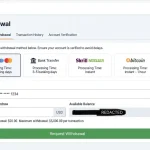
A specialist review reports PayID withdrawal minimums in the range of A$20 to A$50. That is a reported range, not a fixed rule for every operator. A minimum determines the smallest amount that can be requested; it does not say when the funds will arrive or whether the full amount will be paid.
Reported Withdrawal Minimums AU$20 – AU$50
Withdrawal Deductions AU$5 – AU$10 (below threshold)
Withdrawal Thresholds AU$100 – AU$200
Wagering Requirements 30x – 45x bonus amount
The same kind of review describes deductions of A$5 to A$10 on withdrawals below an operator’s internal threshold, with thresholds reported at A$100 or A$200. These are operator-specific conditions, not PayID transfer fees. PayID itself does not charge transfer fees, but that fact does not prevent an operator from setting a withdrawal charge or other condition. A small cash-out can therefore be reduced by a charge that sits entirely outside the payment rail.
Such terms deserve attention because a stated minimum and a fee threshold do different work. The minimum governs whether a request can be submitted; a threshold may affect what remains after it is processed. If the wording is unclear about the amount deducted, when it is deducted, or whether the charge applies to each transaction, the cost is unclear too. Fine print has a habit of becoming most legible after it has already mattered.
Review time is not transfer time
A specialist review describes casino-initiated withdrawals as potentially held in a pending state for 24–72 hours before funds leave the casino’s system. It also reports that the PayID transfer after approval may take 12–24 hours, with the full interval from request to receipt sometimes extending to 2–4 days. These are reported timings, not guarantees or a universal schedule.
That distinction is easy to overlook. The receiving bank cannot complete a transfer that the casino has not yet released. A request may still be undergoing internal review, and the timing can depend on the operator’s checks and the status of the account’s identity verification. A delay before approval is not the same as a delay in the payment network, even if both appear to the person waiting as money that has not arrived.
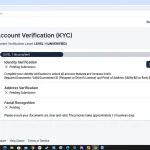
KYC checks—identity and account verification—can form part of that internal review. A specialist review identifies verification status as one factor affecting payout speed. That does not establish how any particular operator will handle a particular request. It does explain why a quick deposit does not predict a quick withdrawal: the outward payment may be subject to checks that did not hold up the incoming one.
No-ID Verification for Casino Withdrawals in Australia
The practical consequence is that a promised processing time needs to be read alongside its starting point. “After approval” excludes the period before approval. A pending interval, verification checks and the transfer itself are separate stages, and a quoted time may cover only one of them. The payment method alone cannot supply a reliable arrival date.
Bonus terms change the calculation
A specialist review reports wagering requirements of 30x–45x the bonus amount as a common range in bonus terms. A wagering requirement specifies how much qualifying play must take place before bonus-related funds can be withdrawn. It is not the same as a withdrawal minimum, and satisfying one condition does not necessarily satisfy every other condition attached to an offer.
The maximum bet rule is particularly consequential. Exceeding the stated maximum bet while wagering a bonus can void the bonus and associated winnings. A balance shown on an account, then, may not be equivalent to an amount available for withdrawal if the promotional conditions have not been met. The precise terms matter: which funds the requirement applies to, what activity counts, and what happens after a breach.
Bonus language can make a payment look more generous while adding conditions to the cash-out. The useful comparison is not between headline amounts but between the full set of obligations and deductions attached to them. Where those terms are difficult to locate or interpret, the uncertainty is part of the financial cost.
PayID can move money quickly once a transfer is released. It cannot remove an operator’s pending period, change a withdrawal threshold, or rescue winnings from a breached bonus condition. Those are separate rules, and the distinction is the whole account.
How do I deposit money into an online casino using PayID?
Enter the deposit amount and the PayID details requested in the payment flow. If your bank accepts the transfer and the details are valid, the money can arrive within seconds.
What is the minimum amount I can deposit into casino sites using PayID?
Typical minimum deposits are A$10–A$20, although some operators accept deposits from A$5.
Are there any casino sites in Australia that offer withdrawals via PayID?
PayID can be used for casino withdrawals, but a payment option does not make an online casino lawful to provide in Australia. Check the site’s cashier for its available withdrawal methods.
How long do PayID deposits take to appear in your casino account?
A PayID transfer can arrive within seconds once your bank accepts it and the details are valid. A bank may block a transfer to a gambling merchant it recognises.
Can you withdraw casino winnings using PayID?
Yes, PayID supports withdrawals, but the casino must approve and process the request first. You may need to complete identity checks before funds are released.
How long do PayID withdrawals take?
After casino approval, a PayID transfer usually reaches your account within the same day, often within 12–24 hours. Internal review and pending periods can bring the total time from request to receipt to around 2–4 days.
Is PayID safe at an online casino?
PayID is a bank-linked payment method, but it does not verify whether a casino is safe, fair or lawful. Confirming a PayID transfer is irreversible.
AUD Banking and Payment Options at Roby Casino Australia

AUD Deposit Options at Roby Casino Australia
Roby supports several deposit categories that are relevant to Australian players: Visa, Mastercard, Skrill, Neteller,...

AUD Withdrawal Limits and Times at Roby Casino Australia
Roby supports several payment categories that can be relevant to withdrawals, including cards, e-wallets, bank...

$1 Minimum Deposit Casinos in Australia: What to Know
A casino’s stated minimum may differ from a payment method’s floor or the amount needed...

$1 Minimum Deposit Pokies in Australia: How It Works
A casino’s stated minimum is only one part of the transaction; the payment route may...

$10 Minimum Deposit Casinos in Australia: How It Works
The amount accepted depends on both the casino cashier and payment route, while costs and...

$10 Minimum Deposit Pokies in Australia: What It Means
A site's stated minimum may differ from what its card processor, wallet or other payment...

$2 Minimum Deposit Casinos in Australia: What to Know
A low operator threshold may not survive the payment chain, where processors can set a...

$20 Minimum Deposit Casinos in Australia
Australian casino deposit minimums can depend on the operator’s terms or on the payment method...

$20 Minimum Deposit Pokies in Australia: What It Means
A displayed minimum may come from a payment provider rather than the operator, and the...

$5 Minimum Deposit Casinos in Australia: Payment Rules
The amount accepted by an operator can differ from the minimum transaction required by the...

$5 Minimum Deposit Pokies in Australia: What It Means
The operator’s stated floor can differ from the minimum accepted by a payment method, while...

Anonymous crypto casinos in Australia: risks and tax
Bitcoin can ease casino payments, but anonymity, withdrawals, tax treatment and Australian access all have...

Aristocrat Online Pokies in Australia: What to Know
The search phrase does not verify a game's maker or availability, and Australian rules set...

Aussie Crypto Casinos: Rules, Risks and Payments
Australia’s rules distinguish domestic wagering from online casino services, leaving offshore crypto platforms outside the...

New Australian Online Pokies: Games and Risks
A closer look at how release labels, free-play modes, account access and bonus terms shape...

Online casino payment methods for Australians
See how PayID, transfers, vouchers and mobile wallets differ across deposits, withdrawals, processing delays and...

Best-Paying Online Pokies in Australia: Bitcoin Guide
A practical look at Bitcoin payments, payout claims, bonus conditions and the limits of Australian...

Bitcoin Pokies Australia: How Payments Work
Bitcoin changes how an account is funded, not the pokies themselves; free-play credits and real-money...

Casino Sites That Accept Amex in Australia
Acceptance can differ between operators, while deposit conditions, withdrawal eligibility and payment costs depend on...

Casino Sites That Accept BPAY in Australia: What’s Known
BPAY availability and withdrawal terms need confirmation; Australian-facing language does not make offshore casino games...

Casino Sites That Accept Credit Cards in Australia
Australia’s rules apply before the cashier, while card acceptance, issuer checks and withdrawal support vary...

EcoPayz Casinos in Australia: What Is Verified
The evidence distinguishes payment acceptance from legality and explains why no verified EcoPayz deposit or...

Casino Sites That Accept Osko in Australia: What’s Known
Australian payment habits may make Osko familiar, but they do not confirm that a casino...

Casino Sites That Accept Paysafecard in Australia
Paysafecard availability does not establish that an offshore casino offer is lawful or that a...

Casino Sites That Accept Skrill in Australia Explained
Skrill availability can describe a cashier option, but it does not establish that an online...

Trustly Casino Sites in Australia: What Is Known
The Interactive Gambling Act 2001 prohibits operators from providing real-money online casino games to people...

Under an Hour Casino Withdrawals in Australia Explained
Withdrawal estimates depend on when the operator’s review ends and when the payment channel begins...

No-ID Verification for Casino Withdrawals in Australia
Identity checks remain part of withdrawal processing, while payment methods and bonus conditions can affect...

Casinos That Accept Apple Pay in Australia: Evidence
Mobile-wallet availability in everyday Australian payments does not establish that an online casino supports Apple...

Casinos That Accept Bitcoin in Australia: Payments
Bitcoin changes how funds move, while operator procedures still govern accounts, disputes and the terms...

Bitcoin Cash Casinos in Australia: Legal and Payment Guide
Australian law bars operators from offering online casino games locally; this guide also covers offshore...

CashToCode Casinos in Australia: Acceptance Checks
A payment option listed online does not establish that a casino accepts CashToCode for Australian...

Casinos That Accept Ethereum in Australia
Ethereum is a possible transaction method, but its availability does not establish which games a...

Casinos That Accept Google Pay in Australia: What to Know
Australian law prohibits operators from offering real-money online casino games to people in Australia, and...

Casinos That Accept Litecoin in Australia: What’s Verifiable
The page distinguishes cryptocurrency payment language from evidence of Australian availability, cashier support, or specific...

Casinos That Accept Mastercard in Australia: Legal Limits
A card option at the cashier does not establish legality, and the route used for...

Casinos That Accept MiFinity in Australia: What to Know
Familiar Australian payment options do not show whether an individual casino supports MiFinity or how...

Casinos That Accept Neosurf in Australia: What’s Verified
Neosurf payment claims, casino services and Australian gambling rules are distinct issues that require separate...

Casinos That Accept Neteller in Australia: What to Check
Neteller availability does not establish that an offshore casino may serve Australians or that deposits,...

Casinos That Accept PayID in Australia: Legal Context
Payment availability can explain a cashier’s options, but it cannot establish whether an offshore casino...

Casinos that accept PayPal in Australia: key facts
The article separates everyday payment familiarity from casino cashier availability and examines the limits of...

Casinos That Accept POLi in Australia: What to Know
A POLi label alone does not establish that an online casino can lawfully serve Australians...

Casinos That Accept Tether USDT in Australia
USDT payment claims do not establish which casinos accept it or verify their networks, games,...

Casinos That Accept Visa in Australia: Key Details
Visa availability varies by operator and card, while deposits, withdrawals and legal context remain separate...

Dragon Link Online Pokies in Australia: What Search Shows
The name alone does not establish a particular machine, an online version or availability to...

Easy Withdrawal Casinos in Australia: How Payouts Work
Withdrawal timing depends on operator review and fund release as well as the payment method’s...

Fast Casino Withdrawals in Australia: Payment Routes
Payment networks, casino approval, verification and terms all affect timing, while Australian law limits the...

Instant Bank Transfer Casinos in Australia: How They Work
Banking labels can cover different payment flows, and a deposit method may not be available...

Instant PayID Withdrawals for Real Money in Australia
PayID can move released funds through Australia's NPP, but it cannot determine when an operator...

Instant PayID Withdrawals in Australia: What to Know
PayID can move funds quickly after release, but casino checks, account verification and withdrawal terms...

Low deposit online casinos in Australia: payment limits
A low operator minimum does not guarantee a payment will go through, since the chosen...

No-KYC Casino Australia: Crypto Payments Explained
A practical look at crypto and PayID payments, identity checks, and the conditions that can...

No Minimum Deposit Casinos in Australia: Payment Limits
The operator’s deposit rule is only one part of the chain; payment providers and purchase...

Online pokies instant withdrawals in Australia
A withdrawal request, operator approval and payment release are separate stages, so transfer speed alone...

Online pokies and PayID in Australia: what to know
PayID can move funds quickly, but cashier confirmation, bank limits, withdrawal checks and wagering terms...

Pay by Phone Casinos Australia: PayID and Bills
PayID can use a mobile number to identify a bank account, but the funds come...

Quick Casino Withdrawals in Australia: How Payouts Work
Payout timing depends on more than the payment method, while Australia's legal position on online...

Real cash online pokies in Australia: law and Bitcoin
A guide to Australia's restrictions on online pokies and the practical trade-offs of using Bitcoin...

Safe online pokies in Australia: legal and payment risks
The guide examines Australian legal limits, offshore operators, Bitcoin payment points, verification and bonus terms...

Same-Day Payout Casinos in Australia: How It Works
A withdrawal estimate can cover operator checks, the payment route, or both, so the stages...

Solana Casino Comparison for Australia
The guide separates Australian law on offshore operators from token transfers, bonus terms, cash-outs and...