Instant PayID Withdrawals in Australia: What to Know
 Available in AU

PayID can move funds quickly after release, but casino checks, account verification and withdrawal terms shape the full wait.
Table of Contents
- What “Instant” Means in a PayID Cashout
- How Fast PayID Payout Claims Hold Up
- The Australian Payment Rail Behind PayID
- Limits, Fees and the Fine Print on PayID Withdrawals
- PayID Beside Cards, E-Wallets and Bank Transfers
- Why a PayID Withdrawal Can Still Be Delayed
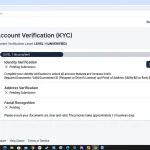
- Verification and the First PayID Cashout
- Bonus Conditions Before a PayID Withdrawal
- PayID Withdrawals for Pokies: The Payment Rail, Not the Game
- When the Casino Releases the Funds
What “Instant” Means in a PayID Cashout
“Instant” describes a stage of a withdrawal, not necessarily the whole journey from clicking a button to seeing money in a bank account. In a PayID cashout, two separate events are involved: the operator approves and releases the request, then the payment is transferred. The first is an internal decision; the second is the movement of funds. Treating them as one clock makes a neat slogan and an unreliable measure.
A specialist review of Australian PayID services reported withdrawals completed in under five minutes at the casinos it assessed, against one to three business days for standard bank transfers. That comparison concerns reported outcomes, not a promise that every request will reach a bank account within five minutes. The relevant starting point matters: a timer measured after approval says nothing about how long approval took. “Instant PayID withdrawal” is therefore best read as a description of the payment leg once the operator has released the funds.
The distinction is easy to miss because the customer-facing action is a single request. A person submits a withdrawal, but the operator may still need to decide whether it can be paid. Only after that decision does the transfer stage begin. If approval is immediate, the overall wait may look close to instant. If the request sits for review, a fast transfer cannot recover the time already spent waiting.
For an instant PayID withdrawal, check the stated payout timing carefully: the word “instant” does not guarantee that every operator processes PayID withdrawals immediately. This list highlights what is specifically known about each option.
1. SpinsUp
License: Curacao Gaming Control Board OGL/2023/174/0082 (Dama N.V.) SpinsUp is listed with a Curaçao Gaming Control Board licence held by Dama N.V. No PayID withdrawal timing is provided here.
2. Bizzo Casino
License: Curacao Gaming Control Board (TechSolutions Group N.V.) Bizzo Casino is listed with a Curaçao Gaming Control Board licence held by TechSolutions Group N.V. No PayID payout details are provided here.
3. WinSpirit Casino
License: Curacao eGaming OGL/2024/923/0383 (Antillephone N.V.) · Min. deposit: A$30 WinSpirit Casino is listed with a Curaçao eGaming licence held by Antillephone N.V., and its minimum deposit is A$30. A PayID withdrawal timeframe is not specified.
4. DragonSlots Casino
License: Curacao Gaming Authority (Jumpman Gaming Ltd) DragonSlots Casino is listed with a Curaçao Gaming Authority licence held by Jumpman Gaming Ltd. The available details do not state its PayID withdrawal speed.
5. Roby Casino
License: Curacao eGaming (Roby Games Ltd) Roby Casino is listed with a Curaçao eGaming licence held by Roby Games Ltd. No PayID withdrawal timing is given.
6. LevelUp Casino
License: Curacao eGaming OGL/2023/174/0082 (Dama N.V.) · Min. deposit: A$15 LevelUp Casino is listed with a Curaçao eGaming licence held by Dama N.V., and its minimum deposit is A$15. The available information does not specify PayID payout timing.
7. Lucky Dreams
License: Curacao · Min. deposit: A$20 (POLi) Lucky Dreams lists a minimum deposit of A$20 for POLi and a Curaçao licence. No PayID withdrawal timeframe is provided.
8. Ricky Casino
Payout speed: crypto under 1 hour, PayID 1-3 business days · Min. deposit: A$20 (A$30 to qualify for the bonus) Ricky Casino states that PayID payouts take 1–3 business days, while crypto payouts take under one hour. Its minimum deposit is A$20, or A$30 to qualify for the bonus.
9. GoldenCrown
License: Curacao Gaming Control Board OGL/2023/176/0095 (Hollycorn N.V.) GoldenCrown is listed with a Curaçao Gaming Control Board licence held by Hollycorn N.V. No PayID payout timing is specified.
10. House of Pokies
License: international iGaming licence – jurisdiction not named in the source · Payout speed: PayID 1-24 hours · Min. deposit: A$30 (PayID from A$10) House of Pokies states a PayID payout time of 1–24 hours and a minimum deposit of A$30, with PayID deposits from A$10. Its listed licence is international, but the jurisdiction is not named.
That difference also explains why a headline claim can be technically narrow without being useful as a complete account. “Instant” can refer truthfully to the transfer after release while leaving the preceding approval interval unspoken. A fair description separates those clocks: time awaiting the operator’s decision, and time for the payment to arrive after release. The phrase should not imply immediate processing from request to receipt.
Some specialist coverage has reported automatic approval for withdrawals below $5,000 AUD at top-tier PayID casinos. That is a reported feature of certain operators, not a standard built into PayID or a guarantee for every account and request. An automatic decision may shorten the operator’s part of the process, but it does not turn the advertised phrase into a universal service standard. Where a manual review applies to withdrawals above $2,000, that process needs to be disclosed; the existence of an approval threshold does not erase the distinction.
PayID itself is a payment method, not an authority over the operator’s internal queue. Its role in the speed claim begins only when the casino has approved and released a withdrawal. The transfer may then be rapid, while the earlier wait remains governed by the operator’s procedures. Conflating the two gives the payment method credit—or blame—for a decision made elsewhere.
Easy Withdrawal Casinos in Australia: How Payouts Work
There is also a legal context that changes how this language should be read in Australia. The Interactive Gambling Act 2001 prohibits operators from providing real-money online casino games, including slots and table games, to people physically located in the country. A speed description about a casino cashout does not make such a service lawful or amount to an endorsement. It is a description of the payment stages, not an invitation to use an offshore gambling service.
For anyone assessing what “instant” means in a claim, the decisive detail is the event that starts the clock. If the clock begins when funds are released, the claim concerns the transfer phase. If it begins when a withdrawal is requested, it covers both approval and payment and needs to say so clearly. Without that distinction, a short transfer time can be mistaken for a short overall wait.
The language of instant payment has a tidy confidence: one action, one result. The actual process has a handoff. An operator’s approval is not the transfer, and a transfer that moves quickly does not establish that the original request was handled quickly. Two clocks, not one.
How Fast PayID Payout Claims Hold Up
PayID payout claims can describe sharply different experiences. One specialist review of selected services reported average processing times ranging from 30 to 90 seconds. That is a narrow, reported result, not a dependable benchmark for every operator or every withdrawal. The distinction matters: a measured average says what happened in a particular review, not what will happen to each request.
Attention: Reported processing times of 30 to 90 seconds are narrow results from selected services and not a dependable benchmark for every operator or request.
At the other end of the reported range, a specialist review found sites advertising “instant” withdrawals that took as long as 24 hours while internal checks were carried out. The gap between seconds and a day is not evidence that PayID itself changed speed. It shows how an advertised payment label can cover a process whose earlier steps remain under the operator’s control.
The word instant is therefore an unstable promise when it is used without a clear account of what has been measured. A claim might refer to selected transactions, an average, or the transfer after release; it need not describe the time from submitting a request to seeing funds in an account. A review that gives a measured range is more informative than a bare speed label, but its result still belongs to the services and conditions it examined.
There is also a legal context that should not be edited out of the timing discussion. Under Australia’s Interactive Gambling Act 2001, operators are prohibited from providing real-money online casino games to people physically in Australia. A payout-speed comparison does not change that position, nor does a quick transfer make an offshore casino service lawful for Australian customers. The language of “best” or “fastest” can make a commercial ranking sound like a consumer endorsement. It is not one.
For any reported figure, the useful questions are modest: was it an average or a single observation, did the measurement begin when the request was submitted or after approval, and did the review describe the conditions? Without those details, seconds on a page are more decoration than forecast. A careful comparison keeps the scope of the report attached to the number rather than turning it into a general promise.
Speed claims, in short, describe observed outcomes, not a guaranteed arrival time. The range reported in specialist reviews runs from under two minutes on average in selected cases to a delay of up to a day where internal review intervened. Both claims can coexist because they concern different services and circumstances. That is a less satisfying headline. It is also the more honest one.
Quick Casino Withdrawals in Australia: How Payouts Work
The Australian Payment Rail Behind PayID
PayID is part of Australia’s bank-to-bank instant payment system, rather than a payment network created by a casino or gambling service. Its underlying infrastructure is the New Payments Platform (NPP), which supports real-time transfers between bank accounts. Osko is the network through which PayID transfers are processed in real time.
That distinction matters because the name attached to a payment is not the same thing as the machinery carrying it. PayID is the payment method; the NPP provides the underlying platform, and Osko handles the real-time transfer. Together, they allow funds to move between participating bank accounts without relying on the slower rhythm associated with conventional payment arrangements.
The arrangement reflects a broader change in what people expect from bank payments. A transfer once understood as something that might wait in a queue has become capable of moving in real time. The word “instant” therefore describes the payment rail’s capacity, not every event that may surround a transaction. It is a property of the infrastructure, not a promise that every request made through a business will be completed at once.
For a PayID cashout, the relevant point is that the method connects to this domestic bank-to-bank system. Once a transfer is being processed through Osko, the payment rail is designed to move it in real time. The casino context does not create a different version of PayID or give the operator its own private transfer network. The bank payment system remains the same.
PayID is a payment method that utilizes the New Payments Platform (NPP) infrastructure and processes real-time transfers via the Osko network.
This is also why PayID should not be confused with a branded wallet. Its significance lies in its connection to the Australian banking infrastructure and the NPP, rather than in storing a balance outside a bank account. The names may appear in a cashier interface as separate choices, but the underlying route is what explains the payment method’s capacity for real-time movement.
There is a useful limit to what the rail can tell anyone. Real-time processing describes how the transfer travels through the payment system; it does not describe the entire path from a withdrawal request to money arriving in an account. The distinction is easy to lose in the advertising shorthand of “instant withdrawal”. The rail can be fast. The phrase is not a clock.
The legal setting should not be mistaken for an endorsement of casino use. Under Australia’s Interactive Gambling Act 2001, operators are prohibited from providing real-money online casino games, including slots and table games, to people physically in Australia. PayID and the NPP are ordinary payment infrastructure; their existence does not make a prohibited service lawful.
In short, the technical relationship is straightforward: PayID uses Australia’s New Payments Platform, and transfers are processed in real time through Osko. The rail explains the capacity for speed, not every condition attached to a particular transaction. A swift road, after all, says nothing about who is permitted to travel on it.
Casinos that accept PayPal in Australia: key facts
Limits, Fees and the Fine Print on PayID Withdrawals
A withdrawal limit is not a feature of PayID itself. It is a condition set by the operator handling the account. That distinction matters: the payment method may carry funds between bank accounts, while the casino’s rules decide how much can be requested, how much can leave in one transaction and whether any charge is attached.
A specialist review of PayID casino terms reports that some operators publish minimum and maximum withdrawal amounts. Those figures are useful only when read alongside the rest of the cashout rules. A per-transaction maximum, for instance, does not necessarily describe the total that can be withdrawn over a longer period. Separate weekly or monthly caps may apply, according to the same kind of review. The practical ceiling can therefore be lower than the largest figure displayed beside a single withdrawal.
The wording matters. A minimum may determine whether a request can be submitted at all; a maximum may determine whether a larger balance has to be divided. Separate period-based caps place another boundary around the account. None of these limits is set by the PayID identifier or by the bank-to-bank rail. They belong to the operator’s account policy, and the applicable terms can differ between services.
There is a further distinction between a limit and a fee. A limit restricts the amount or frequency of withdrawals; a fee reduces the amount retained. A report by filmink.com.au notes that a PayID withdrawal may carry a transaction charge. That possibility should not be mistaken for a universal PayID tariff: the charge described in a casino’s terms is an operator condition, not an inherent cost of using the identifier. The final amount credited can consequently depend on both the requested sum and any stated deduction.
Do
- Check if maximums are per transaction or per period
- Verify if fees are deducted from the requested sum
- Read withdrawal pages and general terms together
Don’t
- Assume a per-transaction maximum is the total limit
- Mistake operator transaction charges for PayID tariffs
- Rely on a broad label like “maximum withdrawal” alone
The fine print should also say how limits are applied: whether the stated maximum is per transaction or over a defined period, whether a request above it is refused or split, and whether fees are deducted from the requested amount or charged separately. These details determine the value of a withdrawal, even when the payment route itself is not the issue. A broad label such as “maximum withdrawal” can conceal more than it explains.
This is a particularly narrow kind of consumer protection. Clear terms make the boundaries legible; they do not change who sets them. A specialist review has described published minimums and maximums as a feature of reputable PayID casino terms, but publication alone is not a guarantee that every relevant cap or charge is equally prominent. The wording across the withdrawal page and general terms may need to be read together.
Australia’s law prohibits operators from providing real-money online casino games to people physically located in the country. The payment detail does not alter that legal position. Where offshore services describe PayID cashouts, their stated limits and fees are claims about those services’ own policies, not properties of PayID or permission to operate locally.
Small print, large consequences.
PayID Beside Cards, E-Wallets and Bank Transfers
Payment methods differ not only in speed but in what they can do. A transfer route may be available for adding funds yet absent from the cashout menu; another may support both directions but take longer to complete. In accounts of offshore real-money platforms, Australian payment options described include debit cards, PayPal and Skrill, as well as bank transfers. Some reviews also mention cryptocurrency. Availability varies by operator, and a method listed for deposits should not be assumed to work for withdrawals.
Online casino payment methods for Australians
E-wallets sit between the bank account and the platform, which can make them a relatively quick route for moving funds. Specialist payment reviews describe e-wallet transactions as taking hours rather than days, while broader payment guidance puts e-wallet withdrawals within a day. Those are reported timeframes, not a promise for every transaction: the operator’s own handling remains part of the process. Still, the contrast with a conventional bank transfer is clear enough. Less waiting, not no waiting.
Traditional bank transfers have a slower profile. A specialist review reports that completion can stretch to five business days, while general payment comparisons describe bank transfers as taking several days. The exact interval depends on the route and the parties processing it; the useful distinction is that a bank transfer may involve a longer wait than an electronic wallet. Calling both simply “bank payment” conceals that difference.
Cards occupy another category. Debit card payments are among the methods described in Australian-facing payment comparisons, but card withdrawals may take several days. The label on the card does not determine how quickly money returns: the casino’s release process and the payment provider’s handling both matter. Credit cards are not an appropriate route for online gambling services in Australia.
Prepaid vouchers such as Neosurf illustrate the difference between paying in and cashing out. Specialist casino reviews describe these vouchers as deposit methods, with withdrawals generally routed elsewhere. A voucher can therefore help fund an account without providing a path back to a bank balance. Convenient at one end; incomplete at the other.
E-Wallets
Transactions are reported to take hours to a day, offering a faster route than traditional bank transfers.
Bank Transfers
Completion can stretch to several business days, with some reviews reporting up to five days.
Debit Cards
Withdrawals may take several days, depending on the casino’s release process and the provider’s handling.
Prepaid Vouchers
Used primarily as deposit methods; withdrawals are generally routed through other available methods.
That mismatch is not a technical curiosity. Payment systems are built around different ideas of ownership and settlement: a wallet holds a transferable balance, a bank account receives a transfer, and a prepaid code is designed to be redeemed. The withdrawal menu reflects those distinctions, not merely a ranking of speed.
These comparisons concern payment descriptions found in offshore casino material, not a suggestion that real-money online casino games are lawful in Australia. The Interactive Gambling Act 2001 prohibits operators from providing such services to people physically located in the country. The payment method cannot change the legal character of the service.
Why a PayID Withdrawal Can Still Be Delayed
PayID can carry a transfer in real time, but that describes the payment rail, not every step that comes before it. A withdrawal request may wait while the operator checks the account, reviews the amount or clears the transaction for release. A specialist review of casino payouts identifies first-time identity checks, larger withdrawals and bank processing windows as possible causes of delay. The payment method can be quick; the surrounding administration has its own clock.
A first cashout can attract extra scrutiny because the operator needs to establish who owns the account and whether the payment details match the profile. That review can hold a request before any money reaches the bank. The check is not evidence that the PayID network is slow. It is a separate control attached to the operator’s decision to release funds. A clean transfer cannot begin until that decision is made.
Casino Sites That Accept BPAY in Australia: What’s Known
The distinction matters because status labels tend to compress separate events into one reassuring word. “Pending” may mean the request has not cleared internal review, while a completed payment means the transfer has been sent onward. Without knowing which stage is stalled, the word “delay” says little about what is happening. An instant-pay claim cannot turn approval into an automatic act.
Larger withdrawals can receive additional attention. A specialist review notes withdrawals above $2,000 among situations that may be delayed; this is a reported trigger, not a universal threshold or a promise that smaller requests will pass without review. Operators may also release larger sums in instalments under their own policy. In that case, the full amount need not arrive as one transfer, even when each released portion moves through PayID promptly.
Bank processing windows are another interruption. Real-time infrastructure does not mean every account, institution or internal process behaves identically at every moment. A transaction may be released by the casino yet remain subject to the receiving bank’s handling. That is distinct from an operator still examining the request, though both can leave the balance unchanged from the player’s point of view.
The causes can overlap: an unfamiliar account, a substantial cashout and a processing window may all sit between the request and receipt. A specialist review describes these as factors that can affect payment speed, rather than a fixed timetable. The sensible reading of an “instant” label is therefore narrow: it concerns the transfer after release, not the whole interval from clicking confirm to seeing cleared funds.
When a request appears stalled, the useful distinction is between an operator-side review and a bank-side wait. The former concerns approval; the latter concerns the transfer after release. A casino’s published terms should state its processing arrangements, while its transaction status may show whether the request has left its hands. No mystery. Just separate clocks.
Legal Restriction
Under the Interactive Gambling Act 2001, operators are prohibited from providing real-money online casino games to people physically located in Australia.
Verification and the First PayID Cashout
A first withdrawal can involve a pause that has little to do with PayID itself. A specialist review reports that initial cashouts often prompt identity checks; the operator may need to establish that the account belongs to the person requesting the funds before releasing them. That review describes a reported practice, not a fixed rule for every service. Requirements can differ, and an account that has not been verified may face an additional step when a withdrawal is requested.
Completing identity verification in advance can reduce friction on later withdrawals. Once the operator has reviewed the account, there may be less administrative work to do when another payout is requested. It does not guarantee immediate release: the operator still has to process the request, and verification may need to be revisited if account details change or a new check is required.
The distinction matters because “instant” describes neither identity approval nor the whole journey from request to receipt. PayID is the transfer method; identity review belongs to the operator’s process. If those stages are treated as one event, a wait for account checks can look like a failure of the payment rail, even when the funds have not yet been sent to it.
Payment details are another part of the account record. Operators generally require funds to be returned through the same method used for the deposit, where that is possible. For a PayID cashout, that means using the PayID details associated with the deposit and the casino profile, rather than entering a different destination simply because it is available. A mismatch can prompt a security review or prevent the request from proceeding as expected.
Casinos That Accept Tether USDT in Australia
The practice has a practical purpose: it keeps the path of deposited and withdrawn funds traceable. It also means that choosing a payment route at the start can shape the route out. The relevant details should be consistent across the payment account and the profile, and withdrawals should go only to accounts linked to that profile.
For services operating in Australia, there is a larger legal context. The Interactive Gambling Act 2001 prohibits operators from providing real-money online casino games, including slots and table games, to people physically located in Australia. Describing verification and payment procedures is not an endorsement of using such services.
Identity checks are not a special feature of PayID. They are part of the operator’s control over access to an account and the release of money. Completing them early may make later requests more straightforward, while keeping the deposit and withdrawal route consistent can help avoid an avoidable review. The payment rail cannot settle an account question.
Bonus Conditions Before a PayID Withdrawal
A payment method and permission to cash out are separate matters. PayID describes how released funds may be transferred; it does not decide whether a balance is eligible for withdrawal. Where a bonus is attached to play, its terms may place conditions on the funds before a cashout can be requested.
A specialist review of casino bonus terms describes two broad ways wagering requirements can be framed. One applies wagering only to the bonus funds. The other counts the deposit and bonus together. The distinction changes the amount of play tied to a promotion: under the second structure, the player’s own deposited funds are included in the calculation, rather than the requirement being confined to the bonus.
Wagering Requirement Types
One structure applies wagering requirements only to the bonus funds. The other counts the deposit and bonus together, meaning the player’s own funds are included in the calculation.
Bonus-funds-only wagering is the preferable arrangement because it leaves the deposit outside that requirement. That preference does not make the bonus unconditional. The stated wagering requirement still has to be completed before funds subject to it can be withdrawn. The terms also need to be read as written: a headline offer is not a substitute for the conditions governing eligibility.
This is where the language of “instant withdrawal” can obscure an earlier gate. A PayID transfer cannot settle a question that belongs to the bonus rules. If a balance remains subject to an unmet wagering condition, the method of payment is beside the point; the funds are not yet eligible to leave. Payment speed becomes relevant only after the operator permits release.
The careful reading is therefore not simply a matter of spotting the bonus amount. The important distinction is what the wagering requirement applies to: the bonus alone, or the deposit and bonus as a combined sum. Players must satisfy all applicable wagering requirements before attempting to withdraw. Treating the promotional balance as freely cashable can lead to a request being made before eligibility has been established.
There is also a larger Australian context. The Interactive Gambling Act 2001 prohibits operators from providing real-money online casino games, including slots and table games, to people physically in Australia. Bonus language on an offshore service does not alter that legal position, nor does an available payment option make the service lawful. The terms can be described without presenting such services as an invitation to play.
A bonus is not merely a gift placed beside a balance. It can carry a condition that reaches into the withdrawal decision itself. With PayID, the transfer mechanism remains distinct from that condition: one concerns the movement of funds, the other whether those funds may be requested at all. Before any withdrawal attempt, the wagering terms need to be satisfied. The distinction is small in wording, substantial in consequence.
PayID Withdrawals for Pokies: The Payment Rail, Not the Game
“Pokies” is the familiar Australian term for slot machines, and it gives a payment question a game-shaped disguise. The transfer itself does not know whether a balance came from a spinning reel, a card table or somewhere else. PayID remains a way to move money between accounts; the game attached to the balance does not alter its basic character.
A specialist review describes PayID transfers as near-instant. That description belongs to the payment method, not to every step surrounding a cashout. A casino may still need to handle a withdrawal request before funds are sent. Calling the overall experience instant without separating those parts would make a claim about the whole journey from a claim about the transfer alone. The distinction is plain, if less marketable.
The pokies framing matters for another reason in Australia: real-money online casino games, including slots, are prohibited services when offered to people in the country. The Interactive Gambling Act 2001 places the legal restriction on operators providing those games to people located in Australia. A payment term does not change the nature of the service behind it, nor does attaching PayID to a page make a prohibited offer lawful. The law is not a payment setting.
Payment vs Game
PayID’s speed relates to the movement of funds via the payment rail, regardless of whether the balance came from pokies or other games.
That point can be obscured by the vocabulary of everyday play. “Pokies” sounds local, casual and almost domestic; PayID sounds like ordinary banking. Put together, the words can make an offshore casino transaction seem like an unremarkable extension of Australian life. But familiarity is not permission. A familiar payment label describes a route for funds, not a guarantee that the underlying activity is permitted or available.
For the same reason, “PayID pokies withdrawal” is not a special category of transfer. There is no separate pokies rail with its own speed simply because a withdrawal arose from a slot game. PayID’s near-instant quality concerns the movement of funds once a transfer is made, while the game label describes the context in which a balance was created. They answer different questions.
The distinction also keeps speed language honest. A near-instant transfer is not the same as a withdrawal that is instantly requested, approved and received. The word “instant” can be made to carry too much weight when the stages are collapsed into one neat promise. Payment systems move money; they do not settle every question about the transaction that preceded them.
So the pokies connection is mainly a matter of wording, not payment mechanics. PayID does not become faster, slower or legally different because a slot machine appears in the sentence. The rail is still the rail. The game is another matter.
When the Casino Releases the Funds
The word “instant” belongs to a particular moment in a PayID cashout: the handoff after an operator has approved and released the withdrawal. It does not describe the whole interval from submitting a request to seeing money in a bank account. Those are separate stages, even when a payment method makes the second one very short.
A specialist review has described funds as moving almost instantly once a casino releases a PayID withdrawal. That is a claim about the payment stage, not a promise that every request will be approved without delay. Until release, the balance remains within the operator’s process; after release, the transfer travels through the payment channel to the nominated account. The distinction is small in wording and large in consequence.
No-ID Verification for Casino Withdrawals in Australia
This is why a headline promising an instant withdrawal can be technically narrower than it sounds. A request may be awaiting the operator’s decision while the advertised speed refers only to what happens afterwards. The clock a player notices begins with the request; the clock used in a payment claim may begin at release. They measure different things.
A report by filmink.com.au likewise characterises PayID withdrawals as near-instant compared with bank transfers that can take several working days. The comparison concerns how funds move once sent, rather than how long an operator takes to authorise sending them. A swift rail cannot make an unreleased payment travel.
That division of labour is familiar beyond gambling. Institutions decide whether a payment may leave; payment systems carry it once the decision has been made. The first stage belongs to the business, the second to the banking arrangement. Calling the result “instant” without naming the handoff gives one word too much work.
In practice, the meaningful status is not simply whether a withdrawal request has been lodged, but whether it has been approved and released. A pending request and a released transfer are not interchangeable states. Once release occurs, PayID’s appeal is the short distance between the operator’s instruction and receipt, rather than a shortcut through every decision that came before it.
There is also a legal boundary that matters in Australia: the Interactive Gambling Act 2001 prohibits operators from providing real-money online casino games, including pokies, to people physically in the country. A description of the payment handoff is not an invitation to use such a service. The mechanics explain the language of “instant”; they do not change what operators may lawfully offer.
So the cleanest reading of the claim is also the narrowest: instant refers to the payment phase after approval, not the full journey from request to receipt. The release is the hinge. Before it, the operator holds the decision; after it, the transfer moves.
How fast are withdrawals?
PayID transfers can arrive within seconds or minutes after the casino releases the funds, but operator approval may take longer: some advertised “instant” withdrawals have taken up to 24 hours during internal checks. E-wallets are typically processed within 24 hours, while bank transfers and card payments can take several days.
What are easy withdrawal casinos?
Reported fast PayID options include Fastpay Casino, with a 47-second average payout, PlayAmo at 68 seconds, and National Casino at 3.2 minutes. These are reported results, not guarantees or endorsements; Australian law prohibits operators from providing real-money online casino games to people physically in Australia.
How do you choose the best easy withdrawal casino site?
Check whether payout-time claims measure the period from request to receipt or only the transfer after approval, and look for clear withdrawal limits and any approval checks. Completing identity verification early can help avoid delays on later withdrawals.
What payment methods are available?
Available methods include credit and debit cards, PayPal and Skrill, bank transfers, and, at some casinos, cryptocurrency. PayID is also used for bank-to-bank transfers; prepaid vouchers such as Neosurf are generally for deposits rather than withdrawals.
AUD Banking and Payment Options at Roby Casino Australia

AUD Deposit Options at Roby Casino Australia
Roby supports several deposit categories that are relevant to Australian players: Visa, Mastercard, Skrill, Neteller,...

AUD Withdrawal Limits and Times at Roby Casino Australia
Roby supports several payment categories that can be relevant to withdrawals, including cards, e-wallets, bank...

$1 Minimum Deposit Casinos in Australia: What to Know
A casino’s stated minimum may differ from a payment method’s floor or the amount needed...

$1 Minimum Deposit Pokies in Australia: How It Works
A casino’s stated minimum is only one part of the transaction; the payment route may...

$10 Minimum Deposit Casinos in Australia: How It Works
The amount accepted depends on both the casino cashier and payment route, while costs and...

$10 Minimum Deposit Pokies in Australia: What It Means
A site's stated minimum may differ from what its card processor, wallet or other payment...

$2 Minimum Deposit Casinos in Australia: What to Know
A low operator threshold may not survive the payment chain, where processors can set a...

$20 Minimum Deposit Casinos in Australia
Australian casino deposit minimums can depend on the operator’s terms or on the payment method...

$20 Minimum Deposit Pokies in Australia: What It Means
A displayed minimum may come from a payment provider rather than the operator, and the...

$5 Minimum Deposit Casinos in Australia: Payment Rules
The amount accepted by an operator can differ from the minimum transaction required by the...

$5 Minimum Deposit Pokies in Australia: What It Means
The operator’s stated floor can differ from the minimum accepted by a payment method, while...

Anonymous crypto casinos in Australia: risks and tax
Bitcoin can ease casino payments, but anonymity, withdrawals, tax treatment and Australian access all have...

Aristocrat Online Pokies in Australia: What to Know
The search phrase does not verify a game's maker or availability, and Australian rules set...

Aussie Crypto Casinos: Rules, Risks and Payments
Australia’s rules distinguish domestic wagering from online casino services, leaving offshore crypto platforms outside the...

New Australian Online Pokies: Games and Risks
A closer look at how release labels, free-play modes, account access and bonus terms shape...

Online casino payment methods for Australians
See how PayID, transfers, vouchers and mobile wallets differ across deposits, withdrawals, processing delays and...

Best-Paying Online Pokies in Australia: Bitcoin Guide
A practical look at Bitcoin payments, payout claims, bonus conditions and the limits of Australian...

Bitcoin Pokies Australia: How Payments Work
Bitcoin changes how an account is funded, not the pokies themselves; free-play credits and real-money...

Casino Sites That Accept Amex in Australia
Acceptance can differ between operators, while deposit conditions, withdrawal eligibility and payment costs depend on...

Casino Sites That Accept BPAY in Australia: What’s Known
BPAY availability and withdrawal terms need confirmation; Australian-facing language does not make offshore casino games...

Casino Sites That Accept Credit Cards in Australia
Australia’s rules apply before the cashier, while card acceptance, issuer checks and withdrawal support vary...

EcoPayz Casinos in Australia: What Is Verified
The evidence distinguishes payment acceptance from legality and explains why no verified EcoPayz deposit or...

Casino Sites That Accept Osko in Australia: What’s Known
Australian payment habits may make Osko familiar, but they do not confirm that a casino...

Casino Sites That Accept Paysafecard in Australia
Paysafecard availability does not establish that an offshore casino offer is lawful or that a...

Casino Sites That Accept Skrill in Australia Explained
Skrill availability can describe a cashier option, but it does not establish that an online...

Trustly Casino Sites in Australia: What Is Known
The Interactive Gambling Act 2001 prohibits operators from providing real-money online casino games to people...

Under an Hour Casino Withdrawals in Australia Explained
Withdrawal estimates depend on when the operator’s review ends and when the payment channel begins...

No-ID Verification for Casino Withdrawals in Australia
Identity checks remain part of withdrawal processing, while payment methods and bonus conditions can affect...

Casinos That Accept Apple Pay in Australia: Evidence
Mobile-wallet availability in everyday Australian payments does not establish that an online casino supports Apple...

Casinos That Accept Bitcoin in Australia: Payments
Bitcoin changes how funds move, while operator procedures still govern accounts, disputes and the terms...

Bitcoin Cash Casinos in Australia: Legal and Payment Guide
Australian law bars operators from offering online casino games locally; this guide also covers offshore...

CashToCode Casinos in Australia: Acceptance Checks
A payment option listed online does not establish that a casino accepts CashToCode for Australian...

Casinos That Accept Ethereum in Australia
Ethereum is a possible transaction method, but its availability does not establish which games a...

Casinos That Accept Google Pay in Australia: What to Know
Australian law prohibits operators from offering real-money online casino games to people in Australia, and...

Casinos That Accept Litecoin in Australia: What’s Verifiable
The page distinguishes cryptocurrency payment language from evidence of Australian availability, cashier support, or specific...

Casinos That Accept Mastercard in Australia: Legal Limits
A card option at the cashier does not establish legality, and the route used for...

Casinos That Accept MiFinity in Australia: What to Know
Familiar Australian payment options do not show whether an individual casino supports MiFinity or how...

Casinos That Accept Neosurf in Australia: What’s Verified
Neosurf payment claims, casino services and Australian gambling rules are distinct issues that require separate...

Casinos That Accept Neteller in Australia: What to Check
Neteller availability does not establish that an offshore casino may serve Australians or that deposits,...

Casinos That Accept PayID in Australia: Legal Context
Payment availability can explain a cashier’s options, but it cannot establish whether an offshore casino...

Casinos that accept PayPal in Australia: key facts
The article separates everyday payment familiarity from casino cashier availability and examines the limits of...

Casinos That Accept POLi in Australia: What to Know
A POLi label alone does not establish that an online casino can lawfully serve Australians...

Casinos That Accept Tether USDT in Australia
USDT payment claims do not establish which casinos accept it or verify their networks, games,...

Casinos That Accept Visa in Australia: Key Details
Visa availability varies by operator and card, while deposits, withdrawals and legal context remain separate...

Dragon Link Online Pokies in Australia: What Search Shows
The name alone does not establish a particular machine, an online version or availability to...

Easy Withdrawal Casinos in Australia: How Payouts Work
Withdrawal timing depends on operator review and fund release as well as the payment method’s...

Fast Casino Withdrawals in Australia: Payment Routes
Payment networks, casino approval, verification and terms all affect timing, while Australian law limits the...

Instant Bank Transfer Casinos in Australia: How They Work
Banking labels can cover different payment flows, and a deposit method may not be available...

Instant PayID Withdrawals for Real Money in Australia
PayID can move released funds through Australia's NPP, but it cannot determine when an operator...

Low deposit online casinos in Australia: payment limits
A low operator minimum does not guarantee a payment will go through, since the chosen...

New PayID Pokies in Australia: Payments and Checks
PayID can route quick bank transfers, but cashier details, bank limits, delays and bonus terms...

No-KYC Casino Australia: Crypto Payments Explained
A practical look at crypto and PayID payments, identity checks, and the conditions that can...

No Minimum Deposit Casinos in Australia: Payment Limits
The operator’s deposit rule is only one part of the chain; payment providers and purchase...

Online pokies instant withdrawals in Australia
A withdrawal request, operator approval and payment release are separate stages, so transfer speed alone...

Online pokies and PayID in Australia: what to know
PayID can move funds quickly, but cashier confirmation, bank limits, withdrawal checks and wagering terms...

Pay by Phone Casinos Australia: PayID and Bills
PayID can use a mobile number to identify a bank account, but the funds come...

Quick Casino Withdrawals in Australia: How Payouts Work
Payout timing depends on more than the payment method, while Australia's legal position on online...

Real cash online pokies in Australia: law and Bitcoin
A guide to Australia's restrictions on online pokies and the practical trade-offs of using Bitcoin...

Safe online pokies in Australia: legal and payment risks
The guide examines Australian legal limits, offshore operators, Bitcoin payment points, verification and bonus terms...

Same-Day Payout Casinos in Australia: How It Works
A withdrawal estimate can cover operator checks, the payment route, or both, so the stages...

Solana Casino Comparison for Australia
The guide separates Australian law on offshore operators from token transfers, bonus terms, cash-outs and...