Casinos That Accept Bitcoin in Australia: Payments
 Available in AU

Bitcoin changes how funds move, while operator procedures still govern accounts, disputes and the terms of play.
Table of Contents
- What “Bitcoin Casino” Means in an Offshore Market
- The Australian Legal Line Runs Through the Operator
- Online Access Does Not Mean Australian Licensing
- How to Read a Bitcoin Casino Comparison
- Live Tables, Slots and the Limits of the Offer
- Bonuses Have Their Own Small Print
- Starting Play: From Wallet to Casino Account
- Casino Games and the Coins Behind Them
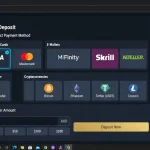
- Bitcoin Deposits, Confirmations and Withdrawals
- Bitcoin Slots and the Australian Rules Around Them
What “Bitcoin Casino” Means in an Offshore Market
A Bitcoin casino is still a casino service; Bitcoin changes the payment rail, not the nature of the games or the account behind them. The distinction matters because a familiar currency can make an unfamiliar service feel simpler than it is. A balance displayed in BTC may look like a number on a screen, but the payment has a separate life on a public network.
A specialist review describes crypto payments as moving from a player’s wallet to the casino and being recorded on the blockchain. That shared ledger can show that a transaction occurred and help verify its progress. It does not, by itself, explain the casino’s rules, settle a dispute over an account balance or make the service more protective. Those are separate questions, belonging to the operator and its own procedures.
Bitcoin is also not a fee-free version of cash. The network fee is distinct from any amount the casino may charge, and it can vary with network demand and the fee attached to a transaction. One specialist review reports that Bitcoin fees can reach AUD 10–20 per transaction during peak periods. That figure is a snapshot reported by the review, not a standing price. The network has no obligation to keep a convenient tariff.
Choosing a Bitcoin casino in Australia calls for checking the details available for each operator rather than relying on a label alone. This list offers a concise reference to the supplied licensing, deposit and payout information.
1. SpinsUp
License: Curacao Gaming Control Board OGL/2023/174/0082 (Dama N.V.) SpinsUp is listed with a Curacao Gaming Control Board licence, OGL/2023/174/0082, held by Dama N.V.
2. Bizzo Casino
License: Curacao Gaming Control Board (TechSolutions Group N.V.) Bizzo Casino is listed with a Curacao Gaming Control Board licence held by TechSolutions Group N.V.
3. WinSpirit Casino
License: Curacao eGaming OGL/2024/923/0383 (Antillephone N.V.) · Min. deposit: A$30 WinSpirit Casino is listed with a Curacao eGaming licence, OGL/2024/923/0383, held by Antillephone N.V. Its minimum deposit is A$30.
4. DragonSlots Casino
License: Curacao Gaming Authority (Jumpman Gaming Ltd) DragonSlots Casino is listed with a Curacao Gaming Authority licence held by Jumpman Gaming Ltd.
5. Roby Casino
License: Curacao eGaming (Roby Games Ltd) Roby Casino is listed with a Curacao eGaming licence held by Roby Games Ltd.
6. LevelUp Casino
License: Curacao eGaming OGL/2023/174/0082 (Dama N.V.) · Min. deposit: A$15 LevelUp Casino is listed with a Curacao eGaming licence, OGL/2023/174/0082, held by Dama N.V. Its minimum deposit is A$15.
7. Lucky Dreams
License: Curacao · Min. deposit: A$20 (POLi) Lucky Dreams is listed with a Curacao licence. The stated minimum deposit is A$20 via POLi.
8. Ricky Casino
Payout speed: crypto under 1 hour, PayID 1-3 business days · Min. deposit: A$20 (A$30 to qualify for the bonus) Ricky Casino lists crypto payouts as taking under an hour, while PayID payouts take 1–3 business days. The minimum deposit is A$20, or A$30 to qualify for the bonus.
9. GoldenCrown
License: Curacao Gaming Control Board OGL/2023/176/0095 (Hollycorn N.V.) GoldenCrown is listed with a Curacao Gaming Control Board licence, OGL/2023/176/0095, held by Hollycorn N.V.
10. House of Pokies
License: international iGaming licence – jurisdiction not named in the source · Payout speed: PayID 1-24 hours · Min. deposit: A$30 (PayID from A$10) House of Pokies lists an international iGaming licence, but the source does not name its jurisdiction. PayID payouts are stated as 1–24 hours; the minimum deposit is A$30, or A$10 via PayID.
There is a quieter complication: Bitcoin’s value against Australian dollars can move. A deposit or win measured in BTC may therefore change in AUD value before it is spent or exchanged. A displayed coin balance and its purchasing value are not the same thing, and the difference can run in either direction. That is the currency risk hidden inside the payment method.
The word “offshore” in searches for an Australian Bitcoin casino points to the location or orientation of the service, not to a special kind of Bitcoin. A BTC casino and a crypto casino accepting Bitcoin describe the payment feature; they do not tell much about the account terms, game rules or how the operator handles funds. A promo code, if one is presented, is another matter again: it belongs to the offer’s conditions, not to Bitcoin’s place in the transaction.
The blockchain records transfers; it does not turn a casino’s promises into code that must be honoured. Nor are crypto transactions readily reversible: sending funds to the wrong address or network can mean permanent loss. The payment method is visible. The service remains a separate bargain.
The Australian Legal Line Runs Through the Operator
The Interactive Gambling Act 2001 draws its main boundary around the business supplying an online casino service. Its concern is not whether a payment arrives as Australian dollars, a bank transfer or Bitcoin, but whether an operator offers covered casino games to people in Australia. The statute does not name Bitcoin or cryptocurrency. Changing the payment rail, then, does not change the legal character of the service.
Bitcoin Cash Casinos in Australia: Legal and Payment Guide · Casinos That Accept Neosurf in Australia: What’s Verified
That distinction can be obscured by the language of a Bitcoin casino. The phrase describes a way of handling funds, not a separate category of gambling service with its own exception. A casino that accepts BTC remains subject to the rules that apply to online casino operators. Crypto does not make the service invisible to the law, nor does the absence of the word “Bitcoin” create permission to provide it.
The Act’s prohibition falls on the entity offering the relevant service to Australian residents. It is not framed as a general offence for an Australian individual who uses an offshore gambling site. There are no specific Australian laws that prohibit individuals from using offshore crypto gambling sites, and an Australian player is not made criminally liable merely by playing at an offshore-licensed casino. These are distinct questions: the operator’s conduct in supplying a service, and the player’s conduct in accessing it.
That separation matters because responsibility is often imagined as travelling down the same path as the money. It does not. A deposit in Bitcoin may be visible on a public blockchain, but that visibility does not decide which party the Act targets. The legal issue concerns the provision of the casino service, not the coin selected for a transaction.
Nor does the player-side position turn into an endorsement of every site that takes Bitcoin. The absence of a specific prohibition on an individual’s use is not the same as a finding that the operator may lawfully offer its games in Australia. An offshore licence, where a site has one, does not erase the distinction between the operator and the customer under Australian law. The legal line is drawn at the supplier.
Legal Responsibility
The Interactive Gambling Act 2001 targets the business providing the service, not the individual player; however, this does not make the operator’s conduct lawful.
There is a certain neatness to the arrangement, though not necessarily comfort in it: the law’s principal target is the business, while the person at the other end of the screen is not specifically prohibited from using an offshore crypto site. That does not settle every question about an individual service or make its terms reliable. It does clarify why searching for a casino with BTC does not, by itself, answer the legal question. Payment method and legal responsibility occupy different parts of the story.
Online Access Does Not Mean Australian Licensing
A casino website can be visible on an Australian phone without being part of Australia’s gambling system. The distinction is easy to miss because the screen looks much the same: an account page, a balance, a lobby, perhaps a mobile version arranged for a smaller display. Yet appearance and accessibility say little about the service’s regulatory status.
Australia does not issue domestic licences for online casino games. That leaves no Australian licensing category under which a Bitcoin casino can present itself as a locally regulated online casino. Crypto casinos are not licensed in Australia and operate outside the country’s regulatory framework. The use of Bitcoin does not create a separate local licence, nor does a mobile interface.
This is a matter of institutional design, not web design. A site may be built for Australian users, accept Australian visitors, or display prices in a familiar currency; none of those details turns it into an Australian-licensed service. The reverse is also true: the presence of a cryptocurrency payment option does not, by itself, explain where a service is licensed or what regulatory system applies to it. The payment method and the status of the casino are separate questions.
CashToCode Casinos in Australia: Acceptance Checks · Casinos That Accept Neteller in Australia: What to Check
The distinction matters because online services cross borders more readily than their oversight does. A company may run its website from elsewhere and make it reachable from Australia, while remaining outside the framework that governs domestic gambling services. For a person looking at a Bitcoin casino in Australia, the page’s local accessibility can therefore create a misleading impression of local standing. A familiar language, a phone-friendly layout and a functioning account are features of presentation, not proof of Australian authorisation.
Nor does the word “offshore” settle the matter. It describes a service operating from outside Australia; it does not establish that the service is licensed in its own jurisdiction, that the licence covers every activity on the site, or that Australian oversight applies. Those are separate matters. A site’s claims about its location or credentials need to be understood as claims about an external arrangement, rather than evidence of a domestic licence that Australia does not issue for online casino games.
This makes the phrase “Bitcoin online casino Australia” less straightforward than it sounds. It may describe a site that can be reached from Australia and accepts Bitcoin, but it should not be read as a category of Australian-licensed casino. The same applies to a mobile Bitcoin casino: the device changes the way the service is displayed, not its place in the regulatory structure. A live Bitcoin casino is likewise not made local by streaming its tables to a screen in Australia.
Regulatory Status
Digital access to a website from Australia does not confer local licensing, as Australia does not issue domestic licences for online casino games.
The internet has made presence look deceptively simple. A shopfront once signalled a place, a proprietor and a visible jurisdiction. A casino site can borrow the visual grammar of a local service while its legal and operational arrangements sit elsewhere. The screen compresses distance; oversight does not. That gap is the central fact behind the apparent convenience of cross-border access.
Australian enforcement also means that reachability should not be mistaken for permanence. The Australian Communications and Media Authority has blocked offshore gambling sites. A page that loads at one moment is not thereby endorsed, locally licensed or guaranteed to remain available. Digital access is contingent; regulatory status is not conferred by the connection.
For mobile users, the same distinction holds. An app-like layout or a site that adapts to a phone can make an offshore service feel integrated into everyday life, alongside banking and shopping. But convenience is a quality of the interface. It says nothing about whether the casino belongs to Australia’s regulatory framework. A Bitcoin pokie offered through a phone screen is not transformed into a domestic service by its format or its coin.
This is why the phrase “casino online Bitcoin” can conceal two separate ideas: a casino service delivered online, and Bitcoin used in connection with that service. Neither idea supplies the missing Australian licence. Crypto casinos remain outside the domestic regulatory framework, regardless of whether they are visited on a laptop or a phone, and regardless of how locally tailored their pages appear.
Casinos That Accept POLi in Australia: What to Know · Casinos That Accept Apple Pay in Australia: Evidence
The practical description is modest: an offshore service may be accessible online, but access is not Australian licensing. The screen cannot issue one.
How to Read a Bitcoin Casino Comparison
A comparison is most useful when it shows what can be checked, not when it declares a winner. A label such as “best” compresses several different questions into one: where an operator is based, what its stated licence covers, how it handles Bitcoin, and what conditions apply when funds are withdrawn. Those details can be compared. A universal verdict cannot be inferred from them.
The licensing jurisdiction is a starting point, not a seal of approval for Australian play. An offshore licence belongs to the regulator named on the operator’s documents; it is not an Australian licence and does not place the service inside Australia’s regulatory framework. Australia does not issue domestic licences for online casino games. In addition, the Interactive Gambling Act prohibits operators from providing real-money online casino games to people in Australia. An offshore licence should not be presented as permission to offer those games here.
That distinction matters because a comparison can make a foreign licence look like a local assurance simply by placing it in a neat column. It is not one. The Australian Communications and Media Authority focuses on blocking unlicensed offshore gambling sites and has banned operators from Australia and blocked their sites. A site appearing in a comparison is therefore not proof that it is available, permitted or endorsed. Access can change; a page that remains online is not a regulatory finding.
Do
- Check the licensing jurisdiction of the operator
- Review written withdrawal conditions and ID requirements
- Examine wagering requirements for bonuses
Don’t
- Assume a foreign licence is an Australian authorisation
- Rely on a “best” label without checking details
- Overlook payment-method exclusions in bonus terms
Payment terms need their own scrutiny. Bitcoin transactions are recorded on the blockchain, but the casino’s accounting rules determine when a deposit is credited and what it accepts for a payout. Network fees fluctuate, and Bitcoin fees may rise during busy periods. The value of Bitcoin can also change between deposit and withdrawal, affecting the Australian-dollar value of either. A comparison that records only the word “Bitcoin” leaves out costs and exposure that can matter more than the payment badge.
Withdrawal conditions are a separate test. The written terms should explain the casino’s processing procedure, any identity documents required before a withdrawal can be processed, and which cryptocurrency networks and currencies it supports for payouts. Depositing one coin does not establish that the same coin or network will be available for withdrawal. Sending funds to the wrong address or network can result in permanent loss, and crypto transactions cannot be reversed by a bank. A comparison that omits these conditions is incomplete, however polished its layout.
Bonuses can also distort a ranking. A large headline offer says little on its own: the relevant terms include wagering requirements, eligible games, maximum cashout limits and payment-method exclusions. These conditions belong beside the offer, not in a footnote that disappears from the comparison. A bonus may be unavailable to a Bitcoin depositor or carry rules that change the practical value of the offer. Its size alone is not a meaningful measure.
The same caution applies to lists of sites, games or newly launched services. A list is an inventory, not a recommendation, and “latest” is a date-sensitive description rather than evidence of reliability. Names and order can change while the underlying questions remain: what is documented, what is conditional, and what can be independently checked? That is a less theatrical standard. It is also a more useful one.
Casinos That Accept Visa in Australia: Key Details · Casinos that accept PayPal in Australia: key facts
For Australian readers, the most responsible comparison does not blur offshore licensing with local authorisation or imply that real-money online casino play is lawful here. It separates claims from conditions, gives dates to information that can change, and treats blocked access as a material limitation rather than a technical inconvenience. No ranking can erase that context.
Live Tables, Slots and the Limits of the Offer
A live table can look less like software than a room: a dealer turns cards, a wheel spins, and a camera carries the scene to a screen. That visual presence changes the atmosphere, not the legal category. In Australia, the Interactive Gambling Act 2001 prohibits operators from providing online casino-style games to Australian residents. The rule covers poker, blackjack and roulette, whether the game is presented as a live table or through digital graphics.
Bitcoin does not alter that distinction. A casino’s choice to accept BTC is a payment feature; it does not change the kind of gambling service being offered. A live dealer table remains an online casino game even if the account uses cryptocurrency, and a conventional casino game does not become permissible merely because its payments use a blockchain. The law follows the service, not the currency.
That matters because the phrase “live casino” can suggest a different, perhaps more physical, category of entertainment. In practice, the decisive feature is that casino-style play is supplied online to people in Australia. A human dealer on camera is still part of an online service. Poker, blackjack and roulette are among the named examples; the same prohibition also encompasses slots. The digital table is not a loophole with better lighting.
Attention: The use of Bitcoin or a live dealer interface does not change the legal category of the game; slots, poker, blackjack, and roulette remain prohibited under the Interactive Gambling Act 2001.
Nor does the presence of a foreign operator or a Bitcoin payment option establish that the service may be offered to Australian residents. The Act bars operators from offering online casino games to residents under an Australian licence; Australia does not provide a domestic licence for that purpose. An offshore site may be visible on a screen, but visibility is not the same thing as Australian authorisation. Those are separate questions, often blurred by the polished language of casino websites.
This makes claims about a “best” live casino accepting Bitcoin a poor guide to the underlying issue. A comparison of tables, dealers or payment features cannot settle whether the service is permitted to be offered in Australia. Nor does a bonus, a large game catalogue or a familiar interface change the legal character of the games. Those details may be prominent in marketing because they are easy to display. The boundary is less decorative.
The distinction is also useful when a site divides its lobby into live tables, virtual games and other casino categories. Labels can help describe how a game is delivered, but they do not erase the broad category set by the Act. A blackjack table streamed from a studio is still blackjack. A roulette wheel does not become something else because its outcome is shown through a camera rather than rendered as animation. In this respect, technology supplies the scenery; the game supplies the substance.
The law’s focus on the offer also explains why the Bitcoin question can distract from the central point. A payment method may be the feature that draws attention, especially where a site presents itself as a crypto casino. But the regulatory line described here is not drawn between bank transfers and digital coins. It is drawn around the provision of online casino-style games to people in Australia. Changing the means of payment leaves the table where it was.
Casinos That Accept Tether USDT in Australia · EcoPayz Casinos in Australia: What Is Verified
A live dealer experience may borrow the rituals of a venue—cards, chips, a dealer’s gestures—without becoming a venue in the ordinary sense. The screen keeps the service online. That is the relevant limit, regardless of whether the table is staffed by a person or represented by software, and regardless of whether the account is denominated in dollars or funded with Bitcoin. The scene may feel immediate. The legal category does not move with it.
Bonuses Have Their Own Small Print
A bonus is not a separate pile of money waiting to be collected. It is a set of conditions attached to an offer, and those conditions determine whether credited value can be played, what counts toward release and whether any resulting balance can be withdrawn. The headline matters less than the clauses beneath it.
For an Australian audience, there is a prior limit: promotional wording does not change the legal status of an online casino service. The Interactive Gambling Act 2001 prohibits operators from providing online casino-style games to people in Australia. A bonus advertised in Bitcoin does not create an exception, and describing an offer as “free” does not make it a different kind of service. This is a matter of the operator’s offer, not an invitation to treat the promotion as locally authorised.
Where bonus terms are being examined as documents, the first question is how wagering requirements work. They specify what activity must occur before bonus-related funds or winnings become withdrawable. The wording should make clear which balance is subject to those conditions and how qualifying play is counted. Without that distinction, a displayed balance can look more available than it is.
Common Bonus Limitations
Promotions often include wagering requirements, eligible game lists, and maximum cashout limits that can restrict the actual value of the offer.
Additionally, some offers may have payment-method exclusions or require identity verification before any winnings can be withdrawn.
Game eligibility is another dividing line. Terms may exclude categories of games or assign different contributions to them. A promotion that appears broad in its headline can therefore apply narrowly in practice. The relevant wording is the list of eligible games and any rules explaining how play on each category affects the requirement. A bonus label alone cannot establish that a particular game qualifies.
Maximum cashout clauses deserve equal attention. They can cap the amount that may be withdrawn from bonus-related play, even when the account display shows a larger figure. Payment-method exclusions matter too: the terms may restrict which methods can be used with an offer or may affect whether bonus funds are available. Those provisions should be read together rather than as isolated footnotes.
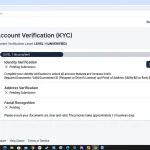
A no-deposit promotion is not automatically cost-free in any practical sense. It may still carry wagering conditions, game restrictions, a cashout ceiling or identity checks before a withdrawal can be processed. Players must provide identity verification documents before withdrawals can be processed. The word “free” describes the absence of a deposit requirement, not the absence of conditions.
Bitcoin adds a further accounting complication. Its price can move between the time a bonus is credited and the time a balance is withdrawn or converted. That volatility can alter the value of both deposits and winnings; a bonus denominated in BTC is not insulated from it. Cryptocurrency transfers are irreversible, so an incorrect address or network can mean permanent loss of funds. Any casino terms should also be checked for whether Bitcoin is supported for withdrawals, rather than merely for promotional credit.
Casinos That Accept MiFinity in Australia: What to Know
People registered with BetStop or a state-based self-exclusion program must self-exclude directly at each offshore platform. A promotion does not replace that step or suspend the terms of an exclusion.
The useful document is not the banner but the full set of conditions: wagering rules, eligible games, cashout limits and payment exclusions. If those clauses are unclear, the offer is unclear. A small print with large consequences.
Starting Play: From Wallet to Casino Account
A Bitcoin deposit begins outside the casino account. A specialist review describes the basic arrangement: cryptocurrency is sent from a personal wallet to an address designated by the casino, and the account is credited after the blockchain records the transfer according to the platform’s rules. The casino does not reach into a wallet; the holder authorises a transaction and broadcasts it to the network.
The address and network are not clerical details. Bitcoin transactions cannot be reversed once sent, so a mistake can mean permanent loss. The destination address needs checking before a transfer, and the selected network must match the casino’s stated requirements. A deposit sent through an unsupported network may not arrive as intended. The same scrutiny applies to withdrawals: the casino needs to support Bitcoin payouts, and the withdrawal address must be correct.
There is also a difference between a transaction being visible and a deposit being fully settled. A specialist review notes that some casinos permit play once a deposit has been detected on the blockchain, before it has received all the confirmations the casino requires. That is an operator-specific arrangement, not a feature to assume. A pending transfer can remain pending; access to a balance under those conditions does not make the transaction final.
Bitcoin Deposit Process
Step 1: Wallet Transfer
Send cryptocurrency from a personal wallet to the specific address designated by the casino.
Step 2: Blockchain Recording
Wait for the transaction to be recorded on the public blockchain network.
Step 3: Casino Crediting
Wait for the casino to detect the transfer and apply the funds to the account based on their required number of confirmations.
Bitcoin’s price can move while funds are in transit or held in an account. The displayed amount in BTC and its value in Australian dollars may therefore diverge. Network fees also fluctuate, so the amount leaving a wallet may not match the amount credited. These are properties of a payment network, not protections supplied by a casino.
For Australian residents, a description of this process should not be mistaken for permission to play. Real-money online casino games are prohibited when offered to people in Australia, and crypto casinos do not hold Australian licences. Nor does cryptocurrency make a transaction anonymous by default: wallet activity is recorded on the blockchain, while a platform may require identity documents before processing a withdrawal. People enrolled in BetStop or a state-based self-exclusion scheme need to self-exclude separately at each offshore platform.
The practical sequence is narrow: confirm that the platform accepts Bitcoin for both deposits and withdrawals; check its required network and address; send only after those details match; then wait for the platform’s stated crediting conditions. No shortcut changes what has happened on the blockchain. A detected payment is not necessarily a settled one.
Casino Games and the Coins Behind Them
The phrase “casino games with Bitcoin” can make the coin sound like part of the game. It is not. Bitcoin is a payment network used to move value; the games and the network are separate parts of the service. For anyone comparing payment options, the practical differences lie in confirmation time, network fees and whether the platform supports the chosen coin for withdrawals—not in the name attached to a game.
Casinos That Accept PayID in Australia: Legal Context
A specialist review reports that Bitcoin transactions may take longer to confirm than transactions on Litecoin or Ethereum. That is a comparison, not a timetable: network conditions and transaction fees can affect how quickly a transfer is confirmed. A specialist review also describes Litecoin as widely accepted across crypto casinos and as having lower network fees than Bitcoin or Ethereum. Those claims concern the networks, not a guarantee that a particular casino accepts Litecoin or will process a payment on a particular schedule.
Ethereum has its own trade-off. A specialist review notes that its transaction fees can exceed Bitcoin’s during busy periods. The cheapest-looking choice can therefore change with network activity, while a lower fee does not establish that a casino supports the coin, the relevant network or withdrawals in it. The payment terms matter more than a broad claim about which coin is best.
This distinction is easily lost in searches for Bitcoin games, including slots or table games. The game catalogue does not determine how a blockchain transfer behaves. Nor does using cryptocurrency make an online casino service Australian-licensed or alter the rules governing which services may be offered to people in Australia.
The value of a deposit can also change in Australian-dollar terms before it is spent or withdrawn. That price movement can affect both the apparent value of a balance and the value of any winnings when converted. Crypto transfers are irreversible: sending funds to the wrong address or network can mean permanent loss. Withdrawal support should be checked before any deposit, and the selected network must match the platform’s stated requirements. Identity documents are required before withdrawals can be processed.
Bitcoin (BTC)
May take longer to confirm and can have higher network fees during peak periods.
Litecoin (LTC)
Widely accepted across crypto casinos and generally features lower network fees.
Ethereum (ETH)
Transaction fees can exceed those of Bitcoin during periods of high network activity.
Players registered with BetStop or a state-based self-exclusion program need to self-exclude directly with each offshore platform as well. A coin does not remove that responsibility, any more than a lower network fee removes the consequences of a mistaken transfer. The machinery is different; the risks remain.
Bitcoin Deposits, Confirmations and Withdrawals
A Bitcoin payment has two clocks: the blockchain’s and the casino’s. After a deposit is broadcast, the transaction can be checked on the public ledger, but a casino may wait for confirmations before crediting the account. A specialist review describes one confirmation as taking 10–60 minutes, depending on network congestion and the fee attached. It also reports that some casinos require 1–3 confirmations. These are reported timings and practices, not a promise about any particular operator.
The distinction matters because “sent” is not the same as “available.” A transaction may appear on the blockchain while the casino’s account balance remains unchanged. The casino’s own payment rules determine when a deposit is recognised; the network determines when the transaction is confirmed. Neither clock is fully under the player’s control.
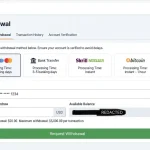
A withdrawal adds another stage. The casino must process the request before broadcasting a payout, and a specialist review reports that this processing can add 12–48 hours before the Bitcoin is sent. The same type of review says a payout may reach a personal wallet within an hour after casino processing. Those are source-specific estimates, not established service standards. Verification documents may also be required before a withdrawal is processed.
The address and network deserve more attention than the countdown. Bitcoin transfers are irreversible: a wrong address can mean permanent loss. The withdrawal wallet must support the cryptocurrency and network the casino uses, and the destination details should be checked carefully before a transfer is authorised. Crypto prices can also move while funds are in transit, changing their value in Australian dollars even if the Bitcoin amount stays the same.
Casinos That Accept Google Pay in Australia: What to Know
A deposit receipt, a blockchain confirmation and a credited balance are separate events. So are an approved withdrawal, a broadcast transaction and funds arriving in a personal wallet. The ledger records the movement; it does not compel a casino to process it on a particular timetable. Dry machinery, but consequential.
Bitcoin Slots and the Australian Rules Around Them
Bitcoin does not change what a slot game is under Australian law. The Interactive Gambling Act 2001 prohibits providing online casino-style games, including slots, to Australian residents. A game does not move outside that category because its balance is displayed in BTC, its buttons are labelled in cryptocurrency, or its reels are reached through an offshore website.
That distinction matters because searches for Bitcoin slots can make the payment method seem like the central issue. For the Australian rules, it is not. The relevant question is whether an online casino-style game is being provided to people in Australia. Slots remain within the prohibited category; using Bitcoin does not create an exception.
Casinos That Accept Mastercard in Australia: Legal Limits
Nor does the phrase “licensed Bitcoin casino” settle the Australian question. A licence held elsewhere is not an Australian authorisation to offer online slots to Australian residents. The word “licensed” can describe a platform’s status in another jurisdiction, but it does not undo the prohibition in the Interactive Gambling Act. A licence label is not a local permission slip.
The same reasoning applies to sites presenting themselves as Bitcoin casinos. Their branding, currency options and game menus do not determine whether the service may be provided here. The statutory treatment turns on the activity: offering online casino-style games to Australian residents. Slots are expressly included.
There is a curious mismatch between the borderless appearance of digital money and the very local reach of gambling rules. A transfer can cross jurisdictions in minutes; the legal character of the service does not travel with it. Bitcoin changes the payment instrument, not the category of play.
For Australian residents, therefore, a Bitcoin balance does not make online slots an authorised local service. That is the line the statute draws. No special currency carve-out.
Is it legal for Australian players to use Bitcoin at online casinos?
Australian players are not specifically prohibited from using offshore crypto gambling sites, but operators are prohibited from offering covered online casino games to Australian residents. Paying with Bitcoin does not change that legal distinction.
How fast are withdrawals at Australian Bitcoin casinos?
Casino processing can add 12–48 hours before a Bitcoin payout is sent, after which it typically reaches a personal wallet within an hour. Blockchain confirmation time varies with network congestion and the fee paid.
What things should I check before playing?
Check the operator’s licence and terms, including its rules for withdrawals and any fees. Also verify the wallet address and network before sending funds, and consider Bitcoin’s fluctuating value and the possibility that a mistaken transaction cannot be reversed.
What types of cryptocurrencies can I use at these casinos?
Bitcoin, Ethereum and Litecoin are among the cryptocurrencies accepted. Litecoin generally clears with lower network fees, while Ethereum fees can rise during busy periods.
AUD Banking and Payment Options at Roby Casino Australia

AUD Deposit Options at Roby Casino Australia
Roby supports several deposit categories that are relevant to Australian players: Visa, Mastercard, Skrill, Neteller,...

AUD Withdrawal Limits and Times at Roby Casino Australia
Roby supports several payment categories that can be relevant to withdrawals, including cards, e-wallets, bank...

$1 Minimum Deposit Casinos in Australia: What to Know
A casino’s stated minimum may differ from a payment method’s floor or the amount needed...

$1 Minimum Deposit Pokies in Australia: How It Works
A casino’s stated minimum is only one part of the transaction; the payment route may...

$10 Minimum Deposit Casinos in Australia: How It Works
The amount accepted depends on both the casino cashier and payment route, while costs and...

$10 Minimum Deposit Pokies in Australia: What It Means
A site's stated minimum may differ from what its card processor, wallet or other payment...

$2 Minimum Deposit Casinos in Australia: What to Know
A low operator threshold may not survive the payment chain, where processors can set a...

$20 Minimum Deposit Casinos in Australia
Australian casino deposit minimums can depend on the operator’s terms or on the payment method...

$20 Minimum Deposit Pokies in Australia: What It Means
A displayed minimum may come from a payment provider rather than the operator, and the...

$5 Minimum Deposit Casinos in Australia: Payment Rules
The amount accepted by an operator can differ from the minimum transaction required by the...

$5 Minimum Deposit Pokies in Australia: What It Means
The operator’s stated floor can differ from the minimum accepted by a payment method, while...

Anonymous crypto casinos in Australia: risks and tax
Bitcoin can ease casino payments, but anonymity, withdrawals, tax treatment and Australian access all have...

Aristocrat Online Pokies in Australia: What to Know
The search phrase does not verify a game's maker or availability, and Australian rules set...

Aussie Crypto Casinos: Rules, Risks and Payments
Australia’s rules distinguish domestic wagering from online casino services, leaving offshore crypto platforms outside the...

New Australian Online Pokies: Games and Risks
A closer look at how release labels, free-play modes, account access and bonus terms shape...

Online casino payment methods for Australians
See how PayID, transfers, vouchers and mobile wallets differ across deposits, withdrawals, processing delays and...

Best-Paying Online Pokies in Australia: Bitcoin Guide
A practical look at Bitcoin payments, payout claims, bonus conditions and the limits of Australian...

Bitcoin Pokies Australia: How Payments Work
Bitcoin changes how an account is funded, not the pokies themselves; free-play credits and real-money...

Casino Sites That Accept Amex in Australia
Acceptance can differ between operators, while deposit conditions, withdrawal eligibility and payment costs depend on...

Casino Sites That Accept BPAY in Australia: What’s Known
BPAY availability and withdrawal terms need confirmation; Australian-facing language does not make offshore casino games...

Casino Sites That Accept Credit Cards in Australia
Australia’s rules apply before the cashier, while card acceptance, issuer checks and withdrawal support vary...

EcoPayz Casinos in Australia: What Is Verified
The evidence distinguishes payment acceptance from legality and explains why no verified EcoPayz deposit or...

Casino Sites That Accept Osko in Australia: What’s Known
Australian payment habits may make Osko familiar, but they do not confirm that a casino...

Casino Sites That Accept Paysafecard in Australia
Paysafecard availability does not establish that an offshore casino offer is lawful or that a...

Casino Sites That Accept Skrill in Australia Explained
Skrill availability can describe a cashier option, but it does not establish that an online...

Trustly Casino Sites in Australia: What Is Known
The Interactive Gambling Act 2001 prohibits operators from providing real-money online casino games to people...

Under an Hour Casino Withdrawals in Australia Explained
Withdrawal estimates depend on when the operator’s review ends and when the payment channel begins...

No-ID Verification for Casino Withdrawals in Australia
Identity checks remain part of withdrawal processing, while payment methods and bonus conditions can affect...

Casinos That Accept Apple Pay in Australia: Evidence
Mobile-wallet availability in everyday Australian payments does not establish that an online casino supports Apple...

Bitcoin Cash Casinos in Australia: Legal and Payment Guide
Australian law bars operators from offering online casino games locally; this guide also covers offshore...

CashToCode Casinos in Australia: Acceptance Checks
A payment option listed online does not establish that a casino accepts CashToCode for Australian...

Casinos That Accept Ethereum in Australia
Ethereum is a possible transaction method, but its availability does not establish which games a...

Casinos That Accept Google Pay in Australia: What to Know
Australian law prohibits operators from offering real-money online casino games to people in Australia, and...

Casinos That Accept Litecoin in Australia: What’s Verifiable
The page distinguishes cryptocurrency payment language from evidence of Australian availability, cashier support, or specific...

Casinos That Accept Mastercard in Australia: Legal Limits
A card option at the cashier does not establish legality, and the route used for...

Casinos That Accept MiFinity in Australia: What to Know
Familiar Australian payment options do not show whether an individual casino supports MiFinity or how...

Casinos That Accept Neosurf in Australia: What’s Verified
Neosurf payment claims, casino services and Australian gambling rules are distinct issues that require separate...

Casinos That Accept Neteller in Australia: What to Check
Neteller availability does not establish that an offshore casino may serve Australians or that deposits,...

Casinos That Accept PayID in Australia: Legal Context
Payment availability can explain a cashier’s options, but it cannot establish whether an offshore casino...

Casinos that accept PayPal in Australia: key facts
The article separates everyday payment familiarity from casino cashier availability and examines the limits of...

Casinos That Accept POLi in Australia: What to Know
A POLi label alone does not establish that an online casino can lawfully serve Australians...

Casinos That Accept Tether USDT in Australia
USDT payment claims do not establish which casinos accept it or verify their networks, games,...

Casinos That Accept Visa in Australia: Key Details
Visa availability varies by operator and card, while deposits, withdrawals and legal context remain separate...

Dragon Link Online Pokies in Australia: What Search Shows
The name alone does not establish a particular machine, an online version or availability to...

Easy Withdrawal Casinos in Australia: How Payouts Work
Withdrawal timing depends on operator review and fund release as well as the payment method’s...

Fast Casino Withdrawals in Australia: Payment Routes
Payment networks, casino approval, verification and terms all affect timing, while Australian law limits the...

Instant Bank Transfer Casinos in Australia: How They Work
Banking labels can cover different payment flows, and a deposit method may not be available...

Instant PayID Withdrawals for Real Money in Australia
PayID can move released funds through Australia's NPP, but it cannot determine when an operator...

Instant PayID Withdrawals in Australia: What to Know
PayID can move funds quickly after release, but casino checks, account verification and withdrawal terms...

Low deposit online casinos in Australia: payment limits
A low operator minimum does not guarantee a payment will go through, since the chosen...

New PayID Pokies in Australia: Payments and Checks
PayID can route quick bank transfers, but cashier details, bank limits, delays and bonus terms...

No-KYC Casino Australia: Crypto Payments Explained
A practical look at crypto and PayID payments, identity checks, and the conditions that can...

No Minimum Deposit Casinos in Australia: Payment Limits
The operator’s deposit rule is only one part of the chain; payment providers and purchase...

Online pokies instant withdrawals in Australia
A withdrawal request, operator approval and payment release are separate stages, so transfer speed alone...

Online pokies and PayID in Australia: what to know
PayID can move funds quickly, but cashier confirmation, bank limits, withdrawal checks and wagering terms...

Pay by Phone Casinos Australia: PayID and Bills
PayID can use a mobile number to identify a bank account, but the funds come...

Quick Casino Withdrawals in Australia: How Payouts Work
Payout timing depends on more than the payment method, while Australia's legal position on online...

Real cash online pokies in Australia: law and Bitcoin
A guide to Australia's restrictions on online pokies and the practical trade-offs of using Bitcoin...

Safe online pokies in Australia: legal and payment risks
The guide examines Australian legal limits, offshore operators, Bitcoin payment points, verification and bonus terms...

Same-Day Payout Casinos in Australia: How It Works
A withdrawal estimate can cover operator checks, the payment route, or both, so the stages...

Solana Casino Comparison for Australia
The guide separates Australian law on offshore operators from token transfers, bonus terms, cash-outs and...